Choosing the right Strapping Tool Set can be daunting. As John Anderson, an industry expert with over 15 years of experience, says, “A good tool set defines your efficiency.” The quality of the strapping tools you choose impacts every project. Poor tools can lead to costly mistakes and wasted materials.
When selecting a Strapping Tool Set, consider durability and ease of use. Look for materials that withstand wear and tear. Features like adjustable tension are essential for versatility. A set that is hard to use often leads to frustration. It’s important to reflect on your own needs and the types of projects you tackle regularly.
Many people overlook the necessity for a reliable Strapping Tool Set. They might choose based on price instead of functionality. This can result in unexpected breakdowns and delays. A little time spent on research can save countless hours later. The right set will enhance your workflow and ensure your projects run smoothly.
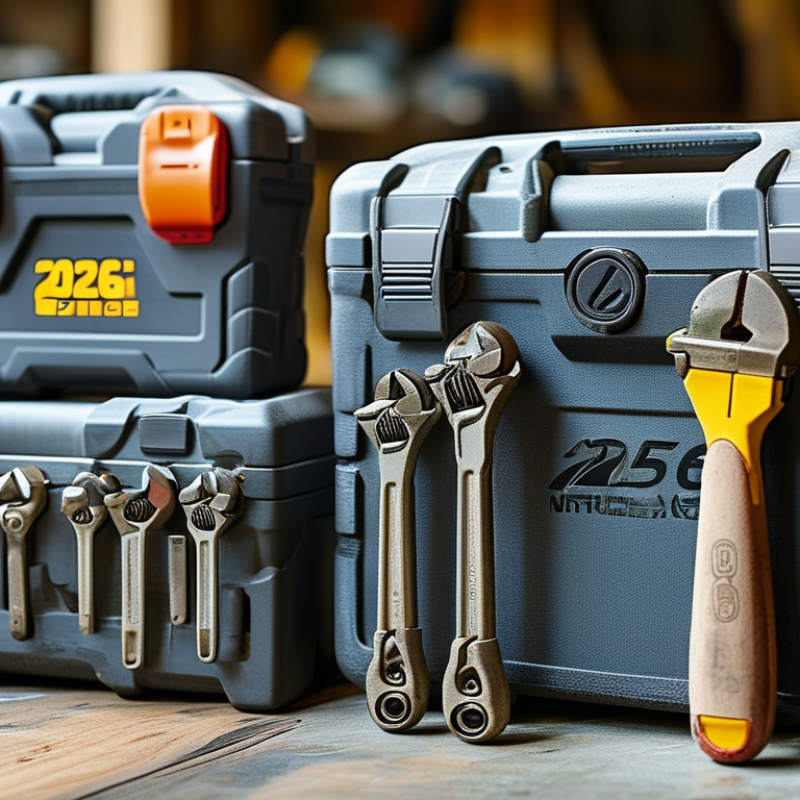
When selecting a strapping tool set, it’s essential to understand its key components and features. A typical set includes tools such as tensioners, sealers, and cutters. The tensioner applies tension to the strap, ensuring a tight hold around the package. Sealers are crucial for joining the strap ends, providing durability to the secured load. According to industry reports, around 40% of shipping damage occurs due to improper strapping. Thus, the right tool set can significantly reduce risks.
Material compatibility is another vital aspect to consider. Strapping tools work with various materials, including polypropylene, polyester, and steel. A study indicates that polyester straps are preferred for heavy loads, while polypropylene is popular for lighter applications. Poorly matched materials can lead to strap failure, costing companies not only in wasted materials but also in potential product losses. Awareness of these details can lead to more informed choices.
Ease of use and ergonomic design also play a pivotal role. Tools that require less effort reduce strain on the operator. A report from a leading industry analyst suggests that ergonomic tools can improve productivity by up to 25%. However, one must also evaluate training needs. Even the best tools can be ineffective if operators are not well-trained in their use. This implies that investing in effective training is just as important as purchasing high-quality tools.
: A typical strapping tool set includes tensioners, sealers, and cutters. Each plays a critical role in securing packages.
Strapping tools must match materials like polypropylene or polyester. Mismatched materials can cause strap failures and product losses.
Ergonomic tools can reduce operator strain and enhance productivity, potentially improving efficiency by up to 25%.
There are manual, semi-automatic, and automatic tools. Each type has its own benefits and suitability based on business needs.
Manual tools are lighter and require effort, while automatic tools provide speed with minimal operator input, ideal for high volumes.
Assess package sizes, operational needs, and growth potential. Matching the right tool to business demands is crucial.
Effective training is essential. Even the best tools can fail without proper operator training, leading to inefficiencies.
User reviews provide insights into performance and reliability. These reflections help make informed purchasing decisions.
Some users face maintenance challenges that can compromise efficiency. Regular upkeep is needed to ensure tools work effectively.
Choosing high-quality tools can improve operational efficiency by significant margins. Balancing cost with performance is key to success.
The "2026 Ultimate Guide to Choosing the Best Strapping Tool Set" provides a comprehensive overview for those looking to invest in strapping tools. It begins by explaining the essential components and features of strapping tool sets, helping readers understand what makes a good tool. The guide categorizes the tools into manual, semi-automatic, and automatic options, addressing the specific needs of various users.
Additionally, it highlights crucial factors to consider when selecting a strapping tool set, such as durability, ease of use, and strapping materials compatibility. The article also emphasizes the importance of regular maintenance and care to ensure the longevity of these tools. By comparing various brands and manufacturers, users can make informed decisions tailored to their strapping needs, optimizing efficiency in their operations.

 Handpack