China Best Strap Cutters for Wholesale Buyers?

Time:2026-09-08 Author:Henry
0%

China has become a major sourcing base for packaging equipment and industrial hand tools. For wholesale buyers, choosing reliable Strap Cutters requires more than comparing unit prices. Blade hardness, cutting consistency, handle comfort, packaging quality, and replacement support can affect every carton processed.

Industry reports provide useful context. PMMI’s State of the U.S. Packaging Machinery Industry highlights continued investment in automation, labor efficiency, and safer production processes. Smithers’ The Future of Packaging to 2028 also identifies lightweighting, material efficiency, and operational reliability as important packaging priorities. These trends matter because modern plastic and steel strapping can vary in width, thickness, and tensile strength. A cutter that performs well on polypropylene may struggle with heavy-duty PET or steel strap.

Jorge Izquierdo, former vice president of market development at PMMI, has repeatedly emphasized a practical principle: “Automation should solve a real production problem.” That idea also applies to manual Strap Cutters. The cheapest tool may create slower work, uneven cuts, or early hand fatigue. The most expensive model is not automatically the best choice either. A perfect buying formula does not exist. Buyers should test samples, inspect the cutting edge, and request measurable specifications from Chinese suppliers. Factory audits, batch testing, and clear warranty terms add confidence. Small details matter, including a spring that returns smoothly and jaws that close without visible gaps. This guide examines China’s best Strap Cutters for wholesale buyers, while acknowledging one limitation: supplier claims still require independent verification.
China Best Strap Cutters for Wholesale Buyers?

What Are Strap Cutters and How Do They Work?

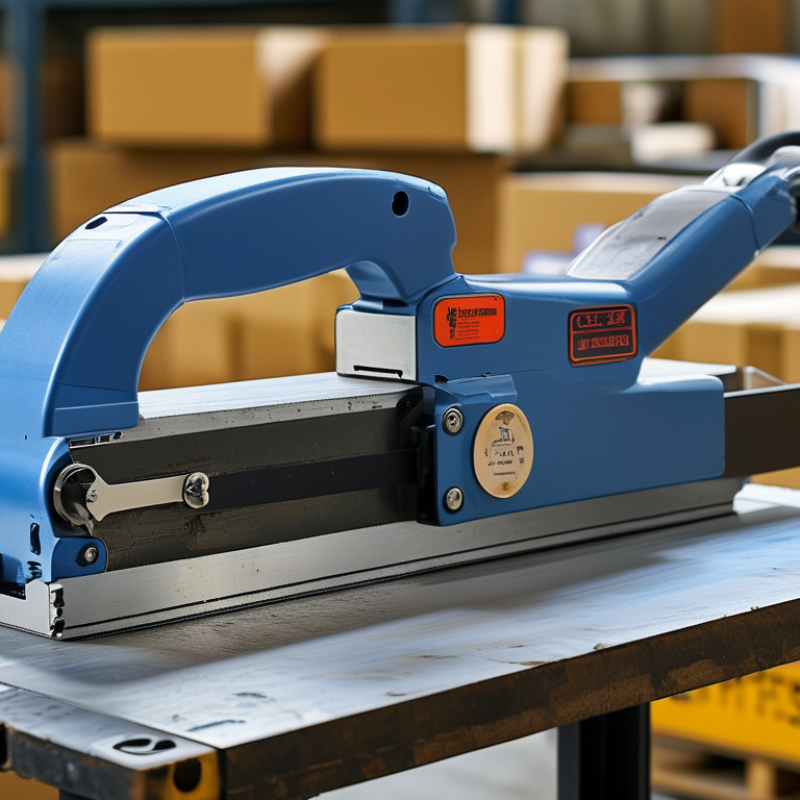
A strap cutter is a compact hand tool for removing plastic or metal packaging straps. It usually has a protected blade, a hooked nose, and a non-slip handle. The operator slides the hook beneath the tensioned strap, then pulls or squeezes the cutter. The blade slices through the band while the guard limits contact with nearby cartons and skin.

The mechanism is simple, but tension changes everything. A tight polypropylene strap can recoil sharply after cutting. A safer cutter therefore combines a recessed blade with controlled leverage.

In warehouse checks, buyers should test it on different strap widths, dusty surfaces, and cold storage gloves. It should cut cleanly without crushing the carton. Small details matter. A weak grip becomes tiring during repeated order handling.

Market data supports steady demand for these basic tools. Smithers’ The Future of Global Packaging to 2028 values worldwide packaging at roughly US$1.17 trillion in 2023. PMMI’s recent packaging machinery report places United States machinery shipments around US$10 billion annually. These figures do not measure strap cutters directly, but they indicate a large packaging workflow. Wholesale buyers in China should compare blade retention, guard strength, handle comfort, and replacement availability. One caution remains: laboratory cycle claims rarely match wet, dusty warehouses. Requesting samples is wiser than trusting a catalogue number alone.

Which Strap Cutter Types Suit Wholesale Applications?

Wholesale strap cutter selection depends on volume, strap material, and operator movement. A handheld manual cutter suits warehouses with mixed orders and occasional PET or PP straps. It costs less and needs little maintenance. However, repetitive cutting can slow packing and increase wrist fatigue.

Pneumatic cutters fit busy distribution centers with stable air systems. They deliver quick, consistent cuts on plastic strapping. Electric or battery-powered cutters offer more flexibility across loading bays. For high-volume lines, an automated cutter integrated with a strapping machine reduces handling time. Smithers’ The Future of Global Packaging to 2028 valued the packaging market above 1.1 trillion dollars in 2023. It also projects continued growth through 2028. That growth makes small speed gains commercially meaningful. PMMI’s 2024 State of the Industry report also identifies labor availability and automation as ongoing packaging-equipment concerns. Still, automation is not always the best answer. A cheaper manual tool may perform better in a seasonal warehouse.

Tips: Test each cutter with your actual strap width and tension. Check blade replacement time, grip comfort, guarding, and noise. Ask suppliers for cycle-life data, not only cutting speed. For steel strap, verify the tool’s rated capacity and include eye protection. One overlooked detail is storage. A sharp cutter left loose on a packing bench creates avoidable risk. I would compare three samples for one week before buying in bulk. A perfect specification sheet can still disappoint on a real loading floor.

How to Evaluate Blade Quality, Safety, and Cutting Performance

China Best Strap Cutters for Wholesale Buyers?

When evaluating strap cutters, inspect the blade before discussing price. A clean edge should look even, without chips, dents, or rough grinding marks. For plastic strapping, hardened stainless steel can provide reliable sharpness and corrosion resistance. Metal straps require stronger construction and a more controlled cutting action. Do not trust appearance alone. Ask for material specifications and batch inspection records.

Safety deserves equal attention. A guarded blade reduces accidental contact during warehouse work. The handle should remain stable with oily or gloved hands. A spring return can improve speed, but it must not snap aggressively. Test the cutter repeatedly with the actual strap width and thickness. Watch for slipping, sudden release, or sharp strap recoil. Small details matter.

Cutting performance is best judged through practical sampling. Make twenty cuts on the same strap type, then check edge quality, required force, and hand fatigue. A clean cut should leave minimal fraying and no dangerous metal burrs. Compare several samples from different production batches. I once accepted a cutter with an excellent first impression, but its edge weakened quickly. That mistake showed why short demonstrations can mislead wholesale buyers. No tool fits every application, so honest testing should include imperfect conditions, not only fresh samples.

What Features Matter When Comparing Wholesale Strap Cutter Suppliers?

When comparing wholesale strap cutter suppliers in China, start with measurable performance, not catalog claims. Smithers’ 2024 packaging market analysis projects global packaging demand to exceed US$1 trillion annually by 2028. That scale makes small cutting delays expensive. Ask for tested cutting force, average blade life, replacement intervals, and failure rates. A cutter should slice polypropylene and polyester strapping cleanly without crushing the strap edges.

Safety and ergonomics deserve equal attention. The U.S. Bureau of Labor Statistics recorded 888,220 nonfatal workplace injury and illness cases involving days away from work in 2023. A strap cutter cannot prevent every injury, but a guarded blade, textured grip, and controlled return mechanism can reduce avoidable exposure. Check whether the handle fits gloved hands. Test it beside a loaded pallet, not only on a clean showroom table. Small details matter.

Supplier reliability requires evidence. Request batch inspection records, material certificates, sample approval procedures, and clear tolerances for blade alignment. ISO 12100 risk-assessment principles can help buyers review moving parts and foreseeable misuse. Packaging Machinery Manufacturers Institute reports that automation and labor efficiency remain major packaging investment drivers, so tool compatibility also matters. Ask whether the cutter supports your daily volume and operator training process. I would still question impressive laboratory figures. Real warehouse dust, cold storage, and rushed operators may produce different results.

China Best Strap Cutters for Wholesale Buyers? - What Features Matter When Comparing Wholesale Strap Cutter Suppliers?
Comparison Feature Buyer Priority Practical Wholesale Benchmark What Wholesale Buyers Should Verify
Applicable Strap Materials High The cutter should be suitable for the buyer’s actual material, such as polypropylene, polyester, nylon, cotton webbing, leather, or composite strapping. Ask for cutting samples using the exact strap material, width, thickness, weave, and tensile characteristics required for production.
Cutting Width Range High Common manual and semi-automatic models cover narrow webbing through wider industrial straps. The usable width depends on the blade, guide, and machine structure. Confirm the minimum and maximum supported width, width tolerance, guide adjustment range, and whether tooling changes are required between sizes.
Cutting Length Accuracy High For repeat production, a digital length setting, mechanical stop, or programmable controller is generally more consistent than freehand measurement. Request a test report showing actual cut lengths across a production batch, including average deviation and the method used for measurement.
Blade Type and Replaceability High Industrial strap cutters commonly use hardened steel or alloy-steel blades. Replaceable blades reduce long-term downtime and maintenance cost. Check blade material, sharpening or replacement procedure, expected service life under the target material, and spare-blade availability.
Heating Function for Synthetic Straps High A heated blade or hot-knife system can cut and seal many thermoplastic synthetic straps, helping reduce edge fraying. It is not suitable for every material. Confirm operating temperature range, warm-up time, temperature control method, edge-sealing quality, ventilation needs, and compatibility with the strap polymer.
Operating Mode Medium Manual machines suit low-volume or highly variable orders; semi-automatic and automatic systems are more appropriate for repetitive wholesale production. Compare operator workload, feed method, cutting cycle, changeover time, and realistic output under the buyer’s required length and material specifications.
Production Capacity High Capacity depends on strap material, cut length, feeding speed, blade movement, operator skill, and whether the machine cuts one or multiple pieces per cycle. Do not rely only on an advertised pieces-per-minute figure. Request a capacity test using the buyer’s material, dimensions, and required accuracy.
Electrical Configuration High Machines may be configured for different voltage, frequency, and plug standards. Heating systems can require significant electrical power. Verify rated voltage, frequency, phase, total power, plug type, fuse or breaker requirements, and compatibility with the destination country.
Safety Protection High Important safeguards may include blade guards, emergency stops, insulated heating components, overload protection, and clear operating instructions. Request photographs or documentation for safety features and confirm whether the supplied configuration meets the destination market’s workplace requirements.
Machine Construction and Maintenance Medium A rigid frame, stable guides, accessible wear parts, and straightforward cleaning procedures support consistent operation and lower maintenance downtime. Inspect frame materials, guide alignment, fastener quality, access to consumables, lubrication points, and the availability of maintenance instructions.
Minimum Order Quantity High Wholesale requirements vary by machine configuration. Standard models generally have simpler purchasing conditions than heavily customized systems. Confirm the MOQ for standard machines, customized machines, spare blades, replacement parts, and mixed-model orders.
Sample and Pre-Shipment Testing High A material-specific sample test is one of the most reliable ways to evaluate cut quality, edge sealing, length consistency, and operating speed. Ask whether the supplier can test buyer-provided material and provide dated videos, sample pieces, measurement results, and agreed acceptance criteria.
Quality-Control Documentation Medium Useful documents may include a product specification, inspection checklist, user manual, wiring information, packing list, and test record. Clarify which documents are included, whether serial numbers are recorded, and whether inspection results are completed before shipment.
Packaging and Export Protection Medium Export packaging should protect the machine from impact, moisture, movement, and contamination during inland transport, sea freight, or air freight. Verify internal fixation, moisture protection, shock protection, crate or carton specifications, package dimensions, gross weight, and shipping marks.
Lead Time and Delivery Terms High Lead time varies with stock status, customization, electrical configuration, testing, and order quantity. Delivery terms determine which party handles freight and import responsibilities. Obtain a written production schedule and clarify the agreed Incoterm, shipment port, documentation timing, partial-shipment policy, and responsibility for delays.
Spare Parts and Technical Support High Essential support normally includes replacement blades, fuses, heating elements where applicable, wear parts, troubleshooting guidance, and operating instructions. Check spare-part pricing, response time, remote diagnostic support, video or telephone assistance, and whether replacement parts can be ordered separately.
Warranty and Commercial Terms High Warranty conditions should clearly define the coverage period, covered components, exclusions, repair or replacement process, and shipping responsibility. Request written warranty terms and confirm payment schedule, inspection rights, remedy for nonconforming goods, and the process for handling transit damage.
Customization Capability Medium Potential options include custom guides, working widths, heating controls, feeding systems, counters, language settings, and electrical configurations. Ask for a drawing or technical specification before approval and confirm the effect of customization on price, testing, lead time, spare parts, and future serviceability.
Buyer note: Capacity, accuracy, heating performance, and suitable materials should be evaluated through a sample test using the buyer’s own strap specifications. Published figures are not directly comparable unless the test conditions are the same.

How to Select and Order the Best Strap Cutters for Your Market

China Best Strap Cutters for Wholesale Buyers?

Selecting the right strap cutter begins with your market, not the lowest quotation. Define the materials you will process, such as polyester webbing, leather, or cotton tape. Record the usual strap width and thickness. Start with samples. A cutter that performs well on thin webbing may struggle with dense material. Ask the supplier for cutting tests using your own samples, not only factory demonstrations.

Check the blade system, width adjustment, handle comfort, and protective cover. Smooth adjustment matters when operators cut different sizes throughout the day. For wholesale orders, request details about minimum order quantity, replacement blades, packaging, production time, and inspection procedures. Confirm that each unit is tested before shipment. Photos of finished cartons can reveal weak protection, although photos are not proof of quality.

A reliable supplier should provide clear specifications, consistent communication, and traceable order documents. Compare at least three quotations using the same requirements. A cheaper cutter may have a poor guide or uneven blade alignment. That cost appears later through waste and slower work. I have seen buyers focus too heavily on price and overlook operator feedback. That was a mistake. Ask two or three users to test the tool for a full shift. Note hand fatigue, cutting accuracy, and maintenance needs. Leave room for a small trial order before committing to larger volume.

FAQS

: What should buyers compare when evaluating wholesale strap cutters?

: Compare cutting force, blade life, replacement intervals, and failure rates. Catalog claims are not enough. Request tested results.

Which materials should the cutter handle?

Test it with your actual polypropylene, polyester, leather, or cotton samples. Check different widths and thicknesses. Thin webbing can mislead you.

How can buyers evaluate cutting quality?

Inspect the cut edge for crushing, fraying, or uneven separation. Use production samples, not only clean showroom materials. Real results may differ.

What safety features deserve attention?

Look for a guarded blade, textured grip, and controlled return mechanism. Test the handle with work gloves. Small details matter.

How should ergonomics be tested?

Let two or three operators use the cutter during a full shift. Record hand fatigue, grip comfort, and cutting accuracy. One quick test is insufficient.

What supplier documents should wholesale buyers request?

Request inspection records, material certificates, tolerances, and sample approval procedures. Confirm production time, packaging, and replacement blade details. Keep order records traceable.

How can buyers reduce wholesale purchasing risks?

Compare at least three quotations with identical requirements. Start with a small trial order. Do not trust photographs alone.

Can a cheaper cutter reduce total costs?

Not always. Poor alignment may increase waste, maintenance, and labor time. A low quotation can hide later expenses. I would check user feedback carefully.

Conclusion

Choosing the best Strap Cutters for wholesale buyers requires more than comparing prices. These tools are designed to cut packaging straps quickly and cleanly, helping workers open secured loads while reducing effort and the risk of damaging goods. Wholesale buyers should first understand the main types, such as compact handheld models, heavy-duty cutters, and options designed for different strap materials and thicknesses. The right choice depends on usage frequency, warehouse conditions, operator comfort, and the needs of the target market.

Blade quality, cutting performance, safety, and durability are key evaluation points. Look for sharp, wear-resistant blades, secure handles, protective features, and smooth operation with minimal force. When comparing suppliers, consider product consistency, customization options, packaging, order quantities, lead times, quality control, and after-sales support. Before placing a large order, test samples against common applications and confirm specifications, pricing, delivery arrangements, and quality standards. A careful selection process helps wholesale buyers provide reliable Strap Cutters that balance performance, safety, and long-term value.


Henry

Henry

Henry is a dedicated marketing professional with a profound expertise in the company's offerings. With years of experience in the industry, he possesses an impressive understanding of the market dynamics and consumer behaviors that drive success. Henry is committed to sharing his insights through......