When it comes to efficient cargo management, having the right equipment is crucial. One key tool that stands out in this area is the Strap Tightening Tool. This device assists in securing cargo effectively, minimizing the risk of damage during transportation. Understanding how to select the best Strap Tightening Tool can significantly enhance your logistics operations.
Choosing a suitable Strap Tightening Tool requires some reflection. There are various options available. Some tools are designed for heavy-duty use, while others are more appropriate for lighter tasks. Consider the type of cargo and the environment in which the tool will be used. Not all tools perform equally under different conditions. Users often report mixed experiences, emphasizing the need for research and real-world testing.
Moreover, a good Strap Tightening Tool should offer durability and ease of use. Many users appreciate tools that make the tightening process quick and efficient. However, some tools may have complicated mechanisms that can lead to frustration. It’s essential to balance efficiency with user-friendliness. This balance plays a significant role in the overall effectiveness of cargo management strategies.
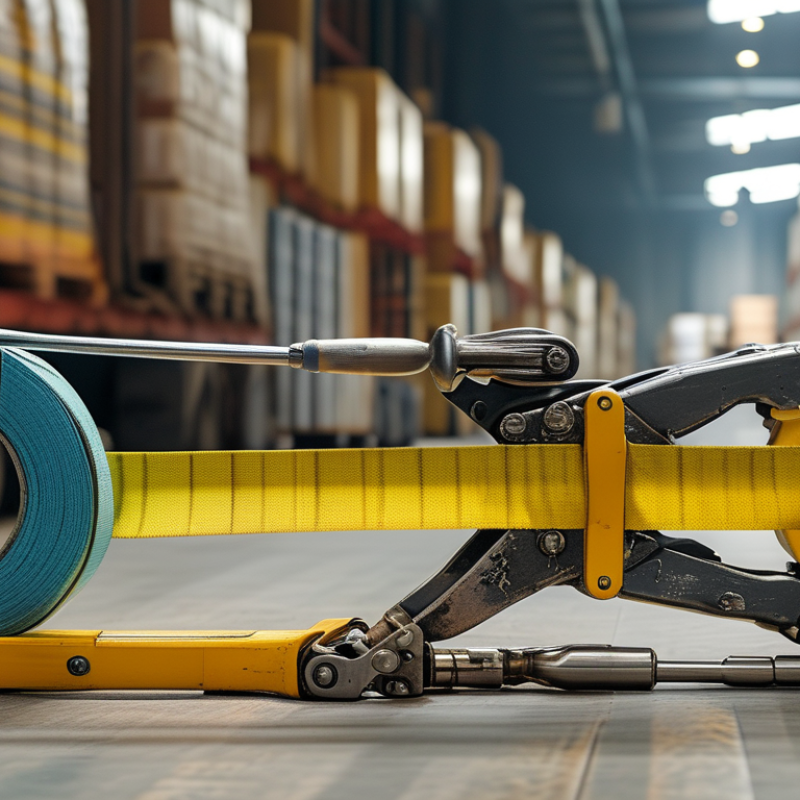
Strap tightening tools play a crucial role in cargo management. They help secure loads efficiently, preventing shifting during transport. These tools range from manual ratchet straps to powered devices. Each option has its unique benefits depending on the load and user’s needs.
Choosing the right tool involves considering the type of cargo and the environment. For lighter loads, manual tools are often adequate. However, when dealing with larger, heavier items, powered tools can save time and effort. Ensure the tool is easy to use. Safety should never be compromised. Tightening straps too much can damage the cargo.
Tips: Always inspect straps for wear and tear before use. Worn-out straps can snap suddenly. It’s wise to practice using the tool with sample loads. Familiarity boosts efficiency. Don’t overlook the importance of correct tension. Too loose means a risk of shifting; too tight may damage the product. Always find a balance.
| Tool Type | Material | Weight (lbs) | Strapping Width (in) | Tensioning Range (lbs) |
|---|---|---|---|---|
| Manual Tensioner | Steel | 3.0 | 1/2 - 3/4 | 600 |
| Electric Tensioner | Aluminum | 5.5 | 5/8 - 1 | 900 |
| Pneumatic Tensioner | Composite | 4.0 | 1/2 - 3/4 | 800 |
| Battery-operated Tensioner | Plastic | 3.2 | 3/4 - 1 | 700 |
: They secure loads during transport, preventing shifting and ensuring stability.
Consider your cargo type and weight. Manual tools work for lighter loads; powered tools suit heavier items.
Proper tension prevents cargo damage. Too tight can cause harm; too loose raises the risk of shifting.
Inspect straps for wear and tear. Worn-out straps can snap unexpectedly.
Practice using the tool with sample loads. Familiarity can help you work faster and safer.
Regular inspections are wise. This helps catch any unexpected shifts and ensures cargo remains secure.
No, each type requires unique techniques. Adjust your approach based on the shape and weight of the cargo.
Over-tightening, using worn straps, and not adjusting techniques for different cargo are frequent issues.
Yes, improper use can lead to cargo damage or accidents. Always prioritize safety and proper technique.
Reflecting on past methods is useful, but always stay open to improving your approach and learning new techniques.
The article titled "Best Strap Tightening Tool for Efficient Cargo Management?" provides a comprehensive overview of the various strap tightening tools available for cargo management. It outlines key features to consider when selecting a strap tightening tool, ensuring that users can make informed decisions based on efficiency and safety. The article distinguishes between manual and automatic types of tools, discussing the advantages of each to cater to different user needs.
In addition, practical tips for effectively using strap tightening tools are highlighted, emphasizing best practices to enhance performance and ensure secure cargo handling. Lastly, the article covers essential maintenance and care techniques to prolong the lifespan of these tools, which are critical for maintaining effective cargo management. Overall, selecting the appropriate strap tightening tool significantly impacts operational efficiency and safety in cargo handling.

 Handpack