When it comes to securing packages and products, selecting the right Box Strapping Kit is essential. These kits are vital for businesses that depend on the safe transport of goods. A quality strapping kit not only enhances security but also improves efficiency in packaging. However, many users overlook key features that could affect their choices.
Understanding the different types of strapping materials is an important first step. Some may prefer polypropylene for lightweight items, while others may need polyester for more durable applications. Users often make mistakes by choosing the wrong material for their specific needs.
It's also crucial to consider the size of the kits. A compact, complete box strapping kit may be ideal for smaller businesses, while larger operations might require more extensive options. Some users tend to underestimate their strapping needs until they face a shortage. Ultimately, being informed and reflective about these choices will lead to better decisions in selecting a box strapping kit.
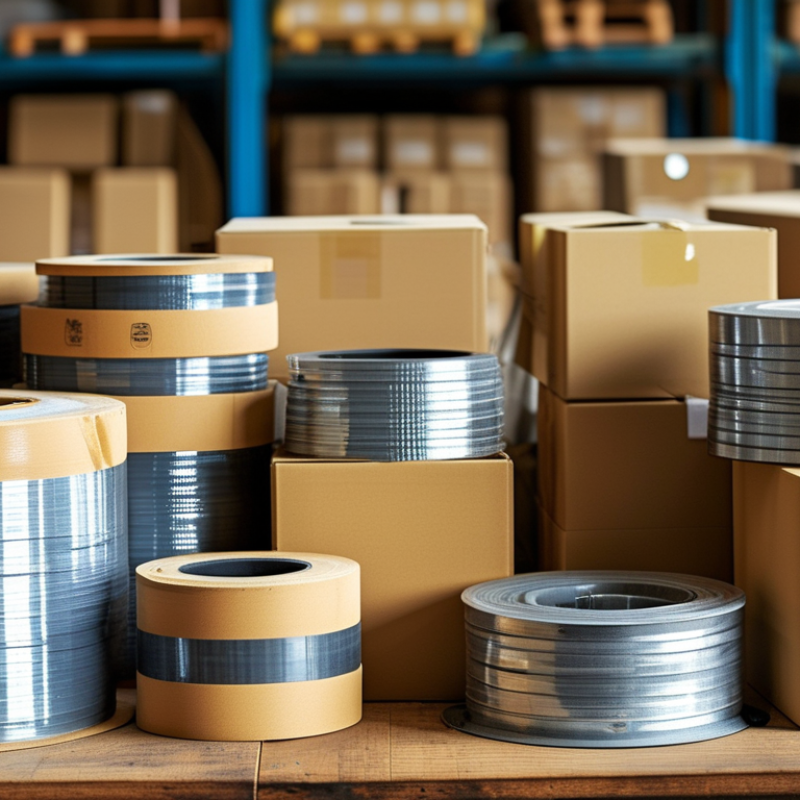
Box strapping kits are essential for securing goods during shipping and storage. They provide the necessary strength to keep boxes intact. The right kit can prevent damages during transit. Understanding their purpose is key to choosing the best option.
The primary function of these kits is to bind and stabilize items. Durable straps hold packages together, reducing movement. They prevent contents from shifting in transit. This is crucial for fragile or valuable items. Inadequate strapping can lead to financial loss or damaged products.
Different materials serve various needs. Plastic strapping is lightweight and cost-effective. Steel strapping, on the other hand, offers superior strength for heavy loads. Knowing the type of items you’ll be transporting helps in decision-making. Yet, it’s important to reflect on how often you’ll use the kit. Investing in a more robust system might be wise for frequent shipments.
When choosing a box strapping kit, several key features play a crucial role. The tensioning system is one of the most vital elements. A good tensioning device will ensure the strap is secured tightly around the box. Studies show that inadequate tension can lead to package damage during transit. This implies that a reliable tool is essential for maintaining the integrity of your shipments.
The type of strapping material is another critical point to consider. Polyester and polypropylene are two common materials used for strapping. Polyester offers greater strength and resistance to elongation, making it ideal for heavy loads. Polypropylene, on the other hand, is lightweight and more economical. Depending on your specific needs, selecting the right material could save costs and improve efficiency.
It is also worth paying attention to the kit’s included accessories. A complete kit typically comes with seals, strapping, and a dispenser. However, not all kits offer high-quality seals, which can lead to failures. According to recent industry data, 30% of packaging failures are attributed to poor seal quality. Thus, ensuring that your kit contains reliable accessories is vital for achieving optimal performance. Remember, the right box strapping kit can greatly affect operational efficiency and reduce errors.
Strapping materials play a crucial role in securing packages for shipping and storage. The choice of material can significantly impact the effectiveness of your strapping efforts. The three most common types are polypropylene, polyester, and steel. Each has its pros and cons, making it essential to match the material to your specific needs.
Polypropylene is lightweight. It is flexible and resistant to UV light. This strapping is ideal for securing light to medium-weight items. However, it may not hold up well under extreme conditions.
Polyester strapping is more robust and offers better elongation and recovery. It is suitable for heavy loads and withstands temperature changes. Still, its cost may be a drawback for some users.
Steel strapping is the strongest option available. It excels in holding heavy shipments securely. However, it requires careful handling due to its sharp edges. Users must consider both safety and effectiveness when choosing strapping materials. The selection process can be challenging but can significantly enhance your packing efficiency if done thoughtfully.
When determining the best box strapping kit for your packaging needs, assessing size and weight is crucial. Start by measuring the dimensions of the items you'll be packaging. A kit that fits your box size will ensure secure strapping. Products that are too big or too small may lead to inefficiency.
Consider the weight of your packages as well. Lightweight boxes require less robust strapping materials. Conversely, heavier items demand stronger, more durable strapping solutions. This balance is essential for safeguarding your products during transit. It’s common to overlook these factors, leading to potential damage or wasted materials.
Reflecting on past experiences can aid in this selection process. Have you had issues with previous strapping kits? Did any fail to keep your products intact? Addressing these concerns will help you choose wisely. Investing time in this assessment can save you both money and hassle in the long run. Your packaging's integrity hinges on the right choice.
When considering a box strapping kit, budgeting is critical. The initial cost may seem straightforward, but hidden expenses often lurk. Strapping materials, tools, and accessories can add up. Start by defining your requirements. Will you need heavy-duty strapping or a standard option? This decision greatly influences your budget.
Don’t overlook ongoing costs, such as replacement parts and consumables. What seems like a deal today might cost more in the long run. Research suppliers for competitive pricing and potential bulk discounts. Measuring your actual needs against your budget ensures a more accurate allocation of funds.
It is essential to prioritize quality over cost. Cheaper kits may lack durability. This could lead to increased waste and replacement costs. Investing in a reliable kit often pays off in efficiency and effectiveness. Take your time to evaluate options carefully, knowing that each choice reflects your business's commitment to quality.
| Dimension | Specifications | Estimated Cost | Recommended Use |
|---|---|---|---|
| Light Duty | Polypropylene Strap, 0.5" Width, 1,000 ft Length | $25 | For regular carton sealing |
| Medium Duty | Polyester Strap, 0.75" Width, 1,200 ft Length | $45 | For heavier packages and pallets |
| Heavy Duty | Steel Strap, 1" Width, 1,000 ft Length | $80 | For industrial applications and high tension |
| Combination Kit | Includes both polypropylene and polyester straps, dispenser included | $60 | Versatile use for different package weights |
: Box strapping kits secure goods during shipping. They prevent damage by stabilizing items and keeping boxes intact.
Proper tension ensures that the strap is tight. Inadequate tension can lead to package damage during transit.
Common materials include polyester and polypropylene. Polyester is stronger, while polypropylene is lightweight and cost-effective.
Accessories like seals and dispensers matter greatly. Poor quality seals can lead to failures, affecting overall performance.
Define your requirements first. Consider costs for materials, tools, and ongoing expenses like replacement parts.
Yes, cheaper kits may lack durability. This can lead to increased waste and higher long-term costs.
Regular reflection helps ensure you choose the right kit. Frequent shipments may require a more robust system.
The weight of items and their fragility greatly influence material choice. Select based on specific transport needs.
Absolutely, prioritizing quality can boost efficiency. Cheaper options may result in higher replacement rates and operational issues.
Knowing usage frequency helps avoid overspending. It guides you toward the appropriate strength and quality for your needs.
When selecting the best Box Strapping Kit for your needs, it's essential to first understand its primary purpose: to secure packages for shipping and storage. Key features to consider include the kit's ease of use, reliability, and the types of strapping materials included, as each material has specific applications and benefits.
Furthermore, assess the size and weight of your packaging requirements to determine the appropriate strapping strength needed. Lastly, budgeting is crucial; ensure you find a Box Strapping Kit that meets your specifications without compromising on quality. By carefully evaluating these aspects, you can make an informed choice that fits your packaging needs effectively.

Handpack