Choosing the right Pallet Strapping Kit can determine whether a shipment arrives secure, stable, and ready for handling. A loose strap may allow cartons to shift during transport. Excessive tension can crush fragile packaging. The best choice depends on load weight, pallet dimensions, strap material, and daily packing volume.
Experienced warehouse teams usually begin with the load, not the tool. Polypropylene strapping suits light cartons and short-distance shipments. Polyester provides stronger tension for heavier goods and repeated handling. Steel strapping may serve demanding industrial loads, but it requires careful training and suitable protective equipment. The kit should also include a reliable tensioner, sealer, buckles, and clear operating instructions. Small details matter. A difficult cutter can slow every shipment.
Before purchasing, test the kit on real pallets. Check whether the strap stays centered around uneven boxes. Measure how quickly workers can apply and release tension. Inspect corners for damage after several minutes of handling. Supplier experience, product specifications, replacement-part access, and practical support also deserve attention. Certifications can help, but they should not replace hands-on evaluation. Some buyers focus only on breaking strength. That is a mistake. Usability and consistency often matter more during busy shifts.
There is no universal kit.
A thoughtful comparison should balance safety, cost, durability, and workflow. Even a well-rated Pallet Strapping Kit may perform poorly when matched with the wrong strap or poorly trained operators. Review your actual shipping conditions, question marketing claims, and choose equipment your team can use correctly every day.
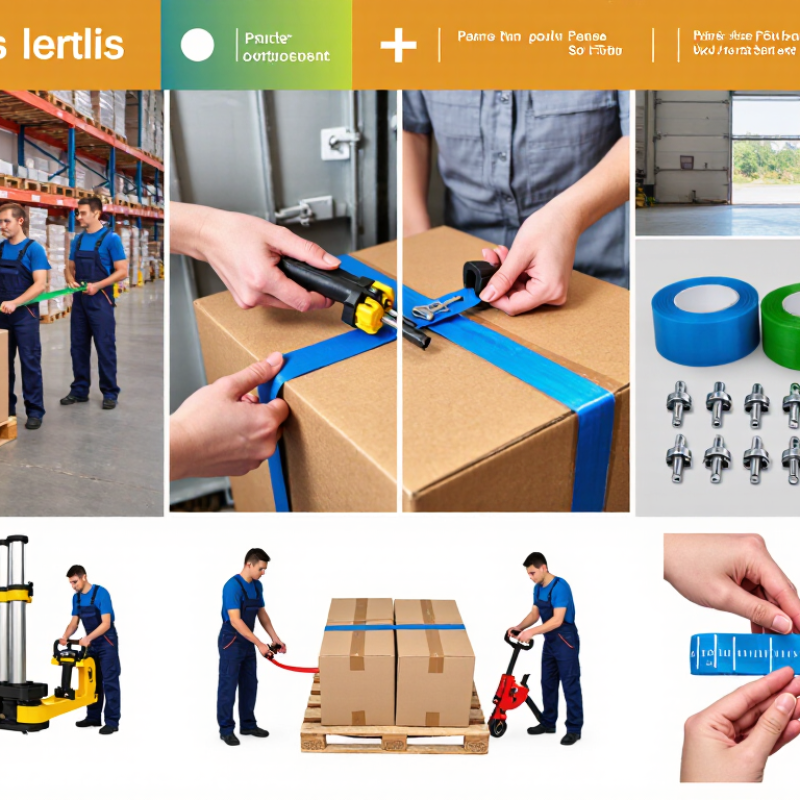
How to Choose the Best Pallet Strapping Kit?
Define Your Pallet Strapping Requirements
Choosing a pallet strapping kit starts with the load, not the tool. Measure pallet dimensions, total weight, and load height before comparing equipment. A lightweight carton needs different support from dense machinery or uneven boxes.
Check how the pallet moves through storage and transport. Frequent forklift handling may require stronger tension and durable strapping. Long-distance shipping can expose packages to humidity, heat, vibration, and sharp pallet edges. Protect those edges with corner guards when necessary. Small details matter.
Consider the strap material, width, thickness, and breaking strength. Polypropylene suits lighter loads, while polyester offers greater tension retention for heavier applications. Steel strapping may be appropriate for demanding industrial loads, but it requires careful handling and suitable tools. Do not choose by breaking strength alone. The joint strength also affects security.
Tool selection should match your workflow. Manual tensioners work well for lower volumes, while battery-powered tools can reduce effort during repeated packing. I have seen teams select powerful tools and later find them uncomfortable for daily use. That choice was not entirely wrong, but it needed more testing. Ask workers to handle sample loads before purchasing. Test several strap tensions and inspect shifting, crushed cartons, and loose joints after movement. A kit is suitable only when it protects the load consistently without slowing the packing process.
How to Choose the Best Pallet Strapping Kit?
Choosing a pallet strapping kit starts with load strength, not price or appearance. Polypropylene strapping suits light cartons and stable loads. It is flexible, economical, and easy to seal. However, it can stretch under heat or long transport.
Polyester strapping provides higher tension retention and handles heavier palletized goods. It also absorbs limited shock without breaking suddenly. Steel strapping offers the highest tensile strength for dense, sharp, or extremely heavy loads. Yet it can damage carton edges and requires careful handling. Composite or woven polyester strapping sits between these options. It is lighter than steel and often safer around irregular cargo. Remember, tensile strength is not the same as working load. Pallet friction, corner protection, strap width, and tensioning quality all change performance. A strong strap may still fail on a poorly balanced pallet.
Tips: Match the material to the real load, including movement during transport. Test one secured pallet before ordering a full kit. Check whether seals, buckles, and tensioners fit the chosen strap. In practical packing trials, I have seen operators overtighten straps and crush fragile boxes. More tension is not always better. Measure the load, inspect weak corners, and leave room for honest adjustment. I would also review performance after a few shipments, because warehouse conditions rarely stay perfect.
Compare common strapping materials by their typical tensile breaking-strength range. Higher strength can support heavier or less stable loads, while flexibility and elongation can improve impact resistance during handling.
Values are indicative ranges for commonly used commercial grades and can vary with strap width, thickness, construction, temperature, and joint efficiency. Use the manufacturer’s certified specifications for final load selection.
Choosing the best pallet strapping kit starts with the load, not the tool.
Measure the pallet size, weight, surface, and transport conditions before selecting equipment.
Polypropylene straps suit light cartons and short-distance handling.
Polyester straps offer stronger tension retention for heavier loads.
For dense or uneven pallets, use corner protectors to prevent strap damage and crushed packaging.
Small details matter.
A manual tensioner works well for occasional packing and lower shipping volumes. Battery-powered tensioners improve speed and provide more consistent tension across repeated jobs. Pneumatic tools can support demanding production areas, but they need a clean, regulated air supply. Match the sealing method to the strap, using buckles, seals, or heat joining as required. Never assume one kit fits every material.
The tensioner should feel balanced in the operator’s hands. Watch the strap path.
During practical trials, check whether the tool reaches tight spaces and holds tension without slipping. Operators should be able to read the tension setting clearly while wearing gloves.
I have seen straps loosen because workers pulled at different angles, even when the equipment was correctly rated. That small mistake can damage a load.
Training matters as much as tool capacity.
Inspect the kit regularly for worn blades, loose guides, and damaged batteries or hoses. Test tension on a sample pallet before full production.
If straps cut into cartons, reduce tension or add edge protection.
If the load shifts, review the strap type, tension level, and pallet arrangement rather than tightening blindly.
A pallet strapping kit should fit your daily process, not simply look complete. Observe how goods move from packing table to loading area. Are pallets occasional, or do operators strap dozens every hour? A manual tensioner may suit low volume work. A powered tool can reduce wrist strain during repetitive packing. My first assumption was wrong: the fastest tool is not always the best choice.
Check the strap material, width, and required tension before buying. Polypropylene suits lighter cartons, while polyester often supports heavier, more rigid loads. The kit should include compatible seals, a cutter, and a tensioning tool. Corner protectors may prevent strap damage on sharp boxes. Leave enough room for safe handling. Crowded workstations create avoidable mistakes.
Watch the operator’s movements. Can they reach the strap roll without twisting? Does the seal hold after the pallet vibrates across the warehouse floor? Record the time per pallet and inspect loose edges at the end of each shift. A kit that saves seconds but causes frequent rework is a poor match. I would also trial two strap sizes, because the heavier option may feel safer but add unnecessary material and fatigue. Review the results with the packing team before changing the workflow.
How to Choose the Best Pallet Strapping Kit?
Check Safety, Compatibility, and Long-Term Value
A reliable pallet strapping kit should match your load, strap material, and working environment. Check the strap width, thickness, and breaking strength before buying. The tool must grip the strap firmly without cutting into it. Handles should feel stable, even when workers wear gloves. A practical kit may include a tensioner, sealer, cutters, and spare parts.
Safety starts with controlled tension. Excessive force can crush cartons or shift unstable goods. Inspect the pallet, corners, and strap path before tightening. Edge protectors help prevent sharp corners from damaging the strap. Keep hands away from the sealing area. Training matters, but short demonstrations often miss real warehouse pressure.
Compatibility affects daily performance. Confirm that the tool suits polypropylene, polyester, or other approved strapping types. Check seal size and core dimensions too. I once chose a lower-cost kit without checking replacement parts. The initial saving disappeared after one damaged cutter delayed packing. That mistake still influences my purchasing decisions. Ask how easily parts can be replaced. Review the tool’s maintenance needs, resistance to dust, and storage requirements. A simple inspection log can reveal loose joints, worn blades, and uneven tension. Long-term value is not only the purchase price. It includes safer handling, fewer interruptions, and consistent packing results. Some kits look complete but lack essential spare components. That detail deserves attention.
Compare the main kit configurations below by matching the strap material, load requirements, operating environment, and expected usage volume.
| Kit Configuration | Best-Suited Loads | Compatible Strap | Typical Tension Capability | Joint and Seal Method | Safety Considerations | Long-Term Value |
|---|---|---|---|---|---|---|
|
Manual Polypropylene Kit
Low-volume use
|
Light cartons, printed products, retail cases, and stable pallet loads that do not require very high restraint force. | Polypropylene (PP) strap, commonly 9–16 mm wide and approximately 0.5–1.0 mm thick. | Low to moderate tension; exact performance depends on strap width, thickness, and tool design. | Metal or plastic buckles, or heat-welded joints when using a compatible manual sealer. | Low equipment risk, but operators should wear gloves and eye protection and keep hands away from the strap path. |
High for occasional use Lowest initial cost and simple maintenance, but slower for frequent palletizing. |
|
Manual Polyester Kit
General-purpose use
|
Medium-weight cartons, building materials, bundled goods, and loads exposed to normal handling vibration. | Polyester (PET) strap, commonly 12–19 mm wide, with higher retained tension than standard PP strap. | Moderate to high tension; suitable for many rigid or semi-rigid pallet loads when correctly sized. | Serrated or smooth metal seals applied with a manual tensioner and sealer. | PET has lower recoil than steel, but cut strap ends can still release energy; use a controlled cutting procedure. |
High for mixed applications Good balance of equipment cost, strap strength, weather resistance, and service life. |
|
Battery-Powered PET Kit
Medium-volume use
|
Repetitive palletizing of medium or heavy loads where consistent tension and faster cycle times are important. | PET strap, commonly 12–19 mm wide; some models also support approved PP strap. | Adjustable moderate to high tension with repeatable electronic control; verify the tool specification before purchase. | Friction-welded joint, normally without separate metal seals, when the strap and tool are compatible. | Use the correct battery, charging procedure, and strap setting. Never place hands near the welding or cutting area. |
High at regular volume Higher purchase price, but reduced manual effort and more consistent joints can lower labor-related costs. |
|
Pneumatic Combination Kit
High-volume use
|
Frequent strapping of dense, rigid, or heavy pallet loads in facilities with a suitable compressed-air system. | PET or PP strap, depending on the approved tool range, strap dimensions, and joint requirements. | Moderate to high adjustable tension with fast operation; actual force depends on air pressure and tool settings. | Pneumatic tensioning and friction welding, or a separate seal system if required by the application. | Requires regulated air pressure, hose inspection, operator training, and lockout procedures during maintenance. |
High for continuous production Strong productivity potential, but air-system installation and maintenance increase total ownership cost. |
|
Steel Strapping Kit
Exceptional restraint
|
Very heavy, sharp-edged, hot, or rigid loads that may exceed the practical limits of PP or PET strap. | Steel strap, selected by width and thickness according to the load and applicable packaging requirements. | High tension capability; avoid over-tensioning, which can damage the load or create a hazardous strap failure. | Metal seals or notched joints applied with a compatible tensioner and sealer. | Highest cut and recoil hazard in this comparison; use face and hand protection and install corner protectors where needed. |
Best for demanding loads Justified when high restraint or heat resistance is essential, but consumables and safety controls cost more. |
Selection note: Confirm the strap width, thickness, breaking strength, joint efficiency, tool tension range, and load requirements before purchase. “Typical” values vary by tool and strap specification; always follow the equipment manufacturer’s operating instructions and applicable workplace-safety requirements.
Start with the load, not the tool. Measure pallet size, weight, surface, and transport conditions. Light cartons may suit polypropylene straps. Heavier loads often need polyester straps. One kit rarely fits everything.
Polypropylene works well for lighter cartons and short-distance handling. Polyester keeps tension more effectively on heavier loads. Check strap width, thickness, and breaking strength before use.
Manual tensioners suit occasional packing and small shipping volumes. Battery-powered tools support faster, repeated work. Pneumatic tools suit demanding production areas with clean, regulated air. Speed is not everything.
Choose stable handles and clear tension settings. Operators should read controls while wearing gloves. Keep hands away from sealing areas. Excessive force can crush cartons or shift unstable goods.
Use corner protectors on dense, uneven, or sharp-edged pallets. They reduce strap damage and protect carton corners. If straps cut into cartons, lower tension or add edge protection.
Test the tool on a sample pallet. Check tight spaces, strap grip, and tension stability. Watch the strap path carefully. A balanced tool should feel manageable in the operator’s hands.
Match the tool and sealing method to the strap material. Confirm seal size and core dimensions. Buckles, seals, or heat joining may be suitable. Never assume compatibility.
Inspect blades, guides, batteries, hoses, and loose joints regularly. Keep a simple inspection log. Replace worn parts before they delay packing. I once ignored replacement parts, and the delay erased the initial savings.
Do not tighten blindly. Review the strap type, tension level, strap path, and pallet arrangement. Uneven pulling angles can loosen straps. Training matters as much as tool capacity.
Choosing the right Pallet Strapping Kit begins with understanding your packaging requirements, including pallet size, load weight, product shape, transport conditions, and the level of stability needed. Strapping materials such as polypropylene, polyester, or steel offer different levels of strength, flexibility, and resistance, so the selected material should match the load and handling environment. It is also important to consider whether manual, battery-powered, or pneumatic tools provide the most suitable tensioning and sealing performance.
A practical kit should fit smoothly into your packaging workflow, support consistent application, and reduce unnecessary labor. Before purchasing, check the compatibility of the strap, buckles, seals, tensioners, and pallet design. Safety features, operator comfort, ease of maintenance, and replacement-part availability can significantly affect long-term value. By balancing load security, workflow efficiency, equipment usability, and total operating cost, you can select a reliable Pallet Strapping Kit that protects goods throughout storage and transportation.

Handpack