Essential Packing Strap Tool Tips for Efficient Shipping

Time:2026-08-09 Author:Henry
0%

When it comes to efficient shipping, the role of a Packing Strap Tool cannot be overstated. This essential piece of equipment is designed to secure packages, ensuring they withstand the rigors of transport. A well-chosen packing strap tool greatly enhances not only the safety of your shipments but also the overall efficiency of the packing process.

Many shippers underestimate the importance of using the right packing strap tool. A subpar tool might lead to poor strapping, risking damage to the contents. It can also result in wasted time during the packing process. Understanding how to maximize the use of your packing strap tool can transform your shipping operation.

Choosing the right material, tension, and technique are vital components of successful strapping. Sometimes, it’s easy to overlook proper maintenance of these tools. Regular checks can prevent unexpected failures during critical times. By paying attention to these details, you can streamline your shipping tasks while enhancing reliability and performance.
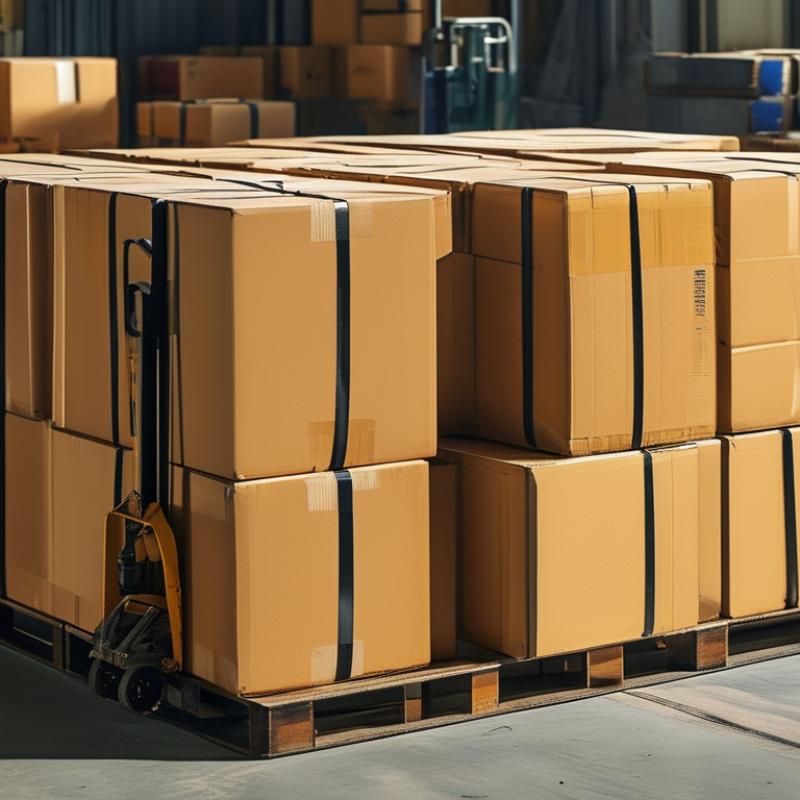
Essential Packing Strap Tool Tips for Efficient Shipping

Understanding the Importance of Packing Strap Tools in Shipping

Packing strap tools are vital in ensuring safe and secure shipment. They prevent movement during transit. Using the right tools can minimize damage and loss. Properly securing packages can save time and money. This efficiency benefits both shippers and recipients.

Understanding these tools helps businesses avoid costly mistakes. Incorrect usage can lead to package failures or injuries. It is crucial to train staff on proper techniques. Each type of strap tool has specific applications. Knowing when to use each type can improve outcomes. Attention to detail matters in every shipment.

Investing in quality packing strap tools is essential. They enhance the overall shipping process. Relying on outdated methods can slow down operations. Continuous improvement in this area is necessary for success. Reflecting on past shipping challenges can lead to better practices. Each shipment offers lessons to learn from and improve.

Types of Packing Strap Tools for Efficient Shipping Processes

Choosing the right packing strap tools is crucial for efficient shipping. Various types of tools serve different purposes. Manual tensioners allow users to apply tension manually, ideal for light to moderate tasks. They are simple to operate but require physical effort. Automatic strapping machines, on the other hand, efficiently strap packages with minimal manual intervention. This saves time but requires upfront investment.

Tape dispensers are another valuable tool in the packing ecosystem. They facilitate the quick application of adhesive tape, ensuring packages are securely sealed. Handheld sealers also play a vital role in achieving strong seals. Each tool offers a unique benefit and might be essential depending on your shipping volume and packaging needs. However, using inappropriate tools can lead to issues, like weak seals or damaged goods.

Training staff on these tools is often overlooked. Without proper training, even the best tools may be underutilized. Observing inefficiencies can lead to adjustments that improve shipping processes. Each tool's effectiveness hinges on the user's familiarity and confidence. Emphasizing hands-on experience can uncover unexpected challenges, leading to better operational decisions.

Best Practices for Selecting and Using Packing Straps

Choosing the right packing straps is crucial for efficient shipping. Different materials serve specific purposes. For instance, polypropylene straps are lightweight and cost-effective, while polyester straps offer greater strength and durability. It’s essential to assess the weight and fragility of the items being shipped. If the items are bulkier, stronger straps may be needed to prevent damage during transit.

Properly using packing straps enhances security. Ensure you apply the correct tension when securing packages. Too loose, and items may shift; too tight, and they may be damaged. Pay attention to the buckle or seal used, as it plays a role in the strap's effectiveness. Testing different methods can reveal what works best for your shipment. Often, people overlook these details, leading to issues later.

Storage of packing straps impacts usability. Straps can become tangled or compromised if not stored correctly. Keep them in dry, cool places to preserve their integrity. Check them regularly for wear and tear. Reflecting on past shipping experiences can help refine your approach, reducing future errors and improving overall efficiency. Remember, neglected details can cost more in the long run.

Techniques for Properly Securing Shipments with Straps

Securing shipments effectively with straps is crucial for safe delivery. Proper tension is essential. Too loose, and items shift during transit. Too tight, and they may bend or break. Always check tension regularly. Use a reliable tensioning tool to achieve the right balance.

Choosing the right type of strap is also important. A polypropylene strap works well for light to medium loads. For heavier items, consider a polyester strap. It offers more strength and durability. Make sure to review the weight limits and conditions your straps can handle.

Be mindful of how you place the straps. Arrange them to cover the load evenly. This ensures that weight distribution is balanced. Avoid crossing straps, which can lead to instability. Regularly inspect the straps for wear and tear. Small cuts can lead to failures in critical moments. Aim for reliability in your packing technique.

Maintenance Tips for Longevity of Packing Strap Tools

Proper maintenance of packing strap tools is essential for longevity and effectiveness. Regularly inspect your tools for wear and tear. Look for frayed straps or damaged buckles. Changing out these parts before they fail can prevent poor shipping practices. If a tool has a sticking mechanism, oil it regularly to ensure smooth operation. Dust and debris can accumulate, so keep the tools clean.

Additionally, store packing strap tools in a dry, cool place. Humidity can degrade materials over time. A dedicated toolbox can help avoid unnecessary damage. Monitor the condition routinely, and replace any worn components as needed. Don’t ignore small issues; they can lead to bigger problems later.

Education around maintenance methods is crucial. Many overlook the importance of training staff on proper usage. Misusing tools accelerates wear and could result in shipping delays. Hold brief training sessions to reinforce best practices. This ensures everyone is on the same page and encourages a culture of care.

FAQS

: Why are packing strap tools important in shipping?

: Packing strap tools ensure safe shipments by preventing movement during transit. They minimize damage and save costs.

How can incorrect usage of packing straps affect shipping?

Incorrect usage may cause package failures or even injuries. Training on proper techniques is crucial for safety.

What should I consider when selecting packing straps?

Assess the weight and fragility of items. Different materials serve specific purposes, like lightweight or stronger options.

How does tension affect the security of secured packages?

Applying correct tension is key. Too loose causes shifting, while too tight can damage the items.

Why is storage crucial for packing straps?

Improper storage can lead to tangling or damage. Keep straps dry and check regularly for wear to maintain effectiveness.

What is the importance of inspecting straps before use?

Regular inspections help identify small cuts or issues. Neglected details may lead to failures during critical moments.

Conclusion

Efficient shipping relies heavily on the proper use of packing strap tools, which play a crucial role in securing shipments and ensuring safe transport. Understanding the importance of these tools is the first step in optimizing shipping processes. There are various types of packing strap tools available, each designed for specific tasks, and selecting the right one can greatly enhance efficiency.

Best practices for using packing straps include choosing high-quality materials and employing correct techniques for securing shipments. Proper maintenance is also essential for the longevity of packing strap tools; regular inspections and timely repairs can prevent costly breakdowns. By following these guidelines, businesses can improve their shipping operations and ensure the reliability of their deliveries.


Henry

Henry

Henry is a dedicated marketing professional with a profound expertise in the company's offerings. With years of experience in the industry, he possesses an impressive understanding of the market dynamics and consumer behaviors that drive success. Henry is committed to sharing his insights through......