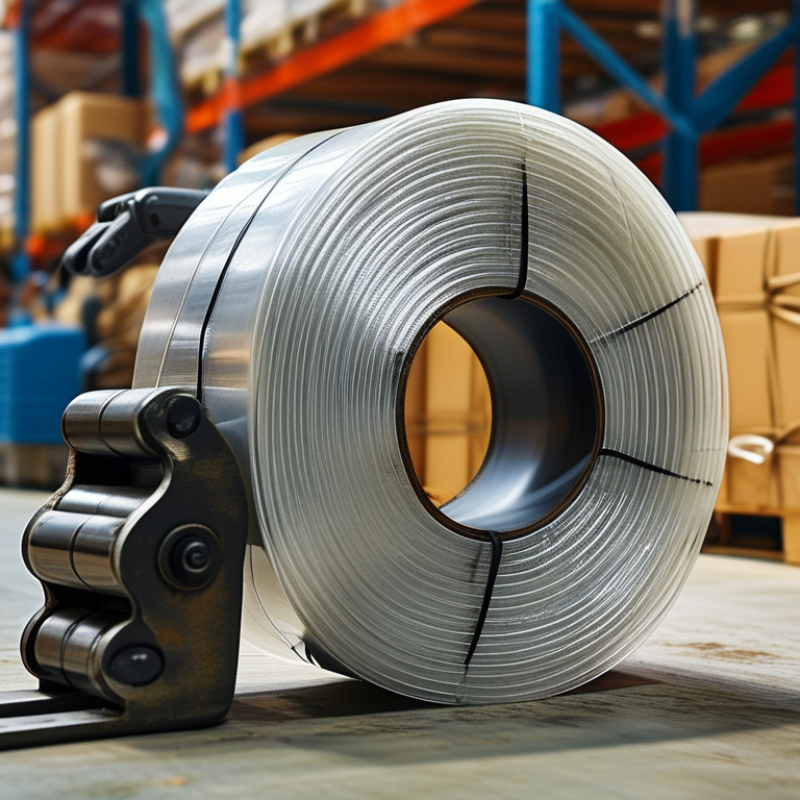
A Plastic Banding Tool is an essential device used in various industries for securing and bundling products. This tool helps improve efficiency and organization in warehouses, manufacturing, and shipping. It binds materials together with strong plastic straps, providing stability during transport.
Understanding how a Plastic Banding Tool works is crucial for effective usage. It involves wrapping a strap around items and securing it tight. Users should be familiar with adjusting the tension to ensure a firm hold. However, improper use can lead to damage or ineffective binding.
While the advantages of using this tool are clear, there are challenges too. Users may struggle with finding the right type of strap. Choosing the appropriate tension settings requires experience. Therefore, training is important. Despite these hurdles, mastering the use of a Plastic Banding Tool can streamline operations significantly.
Overview of Plastic Banding Tools
Plastic banding tools are essential for securing packages and bundles. These tools streamline the process of bundling items together for storage or transportation. Their design prioritizes efficiency and ease of use, allowing workers to quickly apply tension to a plastic strap.
Typically, a plastic banding tool consists of a tensioner, sealer, and cutter. The tensioner applies pressure to the band, ensuring it remains snug. Users often appreciate how user-friendly these tools are. However, they do require some practice to master. Incorrect usage can lead to weak seals or wasted materials.
In the world of logistics, consistency is key. A plastic banding tool should deliver reliable results every time. While some may struggle at first, improved technique can lead to better outcomes. Reflecting on the challenges encountered while using the tool can foster better practices. Adapting to the learning curve is part of the journey in mastering this practical equipment.
What is a Plastic Banding Tool and How Does it Work? - Overview of Plastic Banding Tools
| Feature |
Description |
Common Uses |
| Tool Type |
Manual and Automatic Banding Tools |
Packaging, Palletizing |
| Material Compatibility |
Polypropylene, Polyester |
Used with various packaging materials |
| Tensioning Mechanism |
Manual crank or electric motor |
Ensures secure bindings |
| Seal Type |
Heat seal, friction seal, or buckle system |
Diverse sealing methods for different applications |
| Portability |
Lightweight and handheld options |
Ideal for on-site banding tasks |
| Safety Features |
Safety guards, auto shut-off |
Protects users during operation |
Types of Plastic Banding Tools and Their Uses
Plastic banding tools come in various types. Each serves a specific purpose in packaging and securing items. Common types include manual, automatic, and battery-operated tools. Manual tools require physical effort and are ideal for smaller tasks. Automatic tools, on the other hand, simplify the banding process. They save time and reduce labor costs, especially for larger projects.
The application of these tools varies. In warehouses, they help bind boxes together for shipping. In manufacturing, they secure products onto pallets for stability. Each tool has its features that cater to different materials, such as polypropylene and polyester. It's essential to choose the right tool based on the specific use case. Some users may struggle with the learning curve of newer, more automated tools. This can lead to inefficiencies and frustration. Proper training can significantly enhance productivity and safety in these applications.
Detailed Mechanism of Operation for Plastic Banding Tools
Plastic banding tools are essential for securing and packaging goods across various industries. These tools operate on a straightforward mechanism, primarily using tension and seal technology. The tool grips the plastic band, pulls it tight around the product, and then seals it at the joint. This creates a strong bond that can withstand considerable stress. According to industry reports, effective plastic banding increases package stability by up to 30%.
The mechanism involves several critical components, including the tensioning mechanism and the sealing method. The tensioning mechanism ensures the band is pulled tightly to prevent shifting during transport. This accuracy reduces product damage and loss. The sealing method, often heat or friction-based, securely joins the ends of the band.
Operators must carefully calibrate these functions for optimal performance. Even slight misalignments can lead to weaknesses in the package.
In addition to its functionality, operator training is vital. Skilled operators enhance the efficiency of these tools. They can respond to various materials and band specifications. Inconsistent application can lead to package failure or inefficiencies.
Thorough training focuses on best practices and troubleshooting, which ensures reliability in the production line. Industry data indicates that poorly applied banding techniques account for a significant percentage of package failures, stressing the need for continuous improvement.
Benefits of Using Plastic Banding Tools in Packaging
Plastic banding tools are essential in the packaging industry. They secure products in transit, preventing movement and damage. These tools use plastic bands to tightly wrap items together. A properly banded load reduces the risk of breakage during shipping. With the right tension, the band holds firmly, ensuring everything stays in place.
Using a plastic banding tool has multiple benefits. It increases efficiency in packaging operations. Workers can quickly secure pallets and boxes. This speed can significantly reduce labor costs and time. Additionally, plastic bands are lightweight yet strong. They do not add much weight to shipments, which can lower shipping costs. However, improper use of these tools can lead to packaging failures. Over-tightening may damage delicate products.
Safety is another important aspect. Plastic bands do not have sharp edges, reducing injury risks compared to metal alternatives. They are also resistant to moisture and UV light, making them suitable for various environments. Keeping in mind the proper techniques is vital for maximizing their effectiveness. Mistakes like misalignment can compromise the integrity of the package and lead to costly issues down the line.
Maintenance and Care Tips for Plastic Banding Tools
Maintaining a plastic banding tool is crucial for optimal performance. Regular inspections can help identify wear and tear. Ensure that the components are free of debris and dirt, which can hinder functionality. A clean tool operates smoothly, reducing the risk of banding failures during use.
Lubrication is another important aspect of care. Applying lubricant to moving parts prevents rust and friction buildup. However, be careful not to over-lubricate, as this can attract dust. Always follow the manufacturer’s guidelines on lubrication frequencies.
Storage practices also affect the durability of the tool. Storing it in a dry, cool place minimizes exposure to elements that could cause damage. If not in use for an extended period, consider using protective covers. Regular attention to these details can enhance the life of your tool, making your tasks more efficient over time.
FAQS
: They are essential for securing packages and bundles for storage or transport.
It grips the plastic band, pulls it tight, and seals it at the joint to create a strong bond.
Typically, a tensioner, sealer, and cutter are included for efficient operation.
Skilled operators enhance efficiency and can respond to various materials and band specifications.
Incorrect usage, misalignments, or inexperienced handling can lead to weak seals or wasted materials.
Regular inspections, cleaning, and proper lubrication are crucial for optimal performance.
Store them in a dry, cool place to minimize damage from exposure to elements.
Inconsistent application can lead to package failure and inefficiencies during transport.
Yes, over-lubrication can attract dust, hindering the tool's performance.
Reflecting on challenges can lead to better practices and improved outcomes in banding efficiency.
Conclusion
A Plastic Banding Tool is an essential device used in the packaging industry for securing products together with plastic straps. These tools come in various types, each designed for specific applications, such as hand tools for light-duty tasks and powered tools for more substantial packaging needs. Understanding the detailed mechanism of operation reveals how these tools tension, seal, and cut the plastic bands to ensure a secure hold for products during transport and storage.
Utilizing a Plastic Banding Tool offers numerous benefits, including increased efficiency in packaging and enhanced product protection. Proper maintenance and care are crucial for ensuring the longevity and effective performance of these tools, involving regular cleaning and timely replacement of worn parts. By effectively using a Plastic Banding Tool, businesses can streamline their packaging processes and reduce the risk of damage to goods in transit.

 Handpack