Ultimate Tips for Choosing the Right Metal Banding Tool?

Time:2026-06-13 Author:Oliver
0%

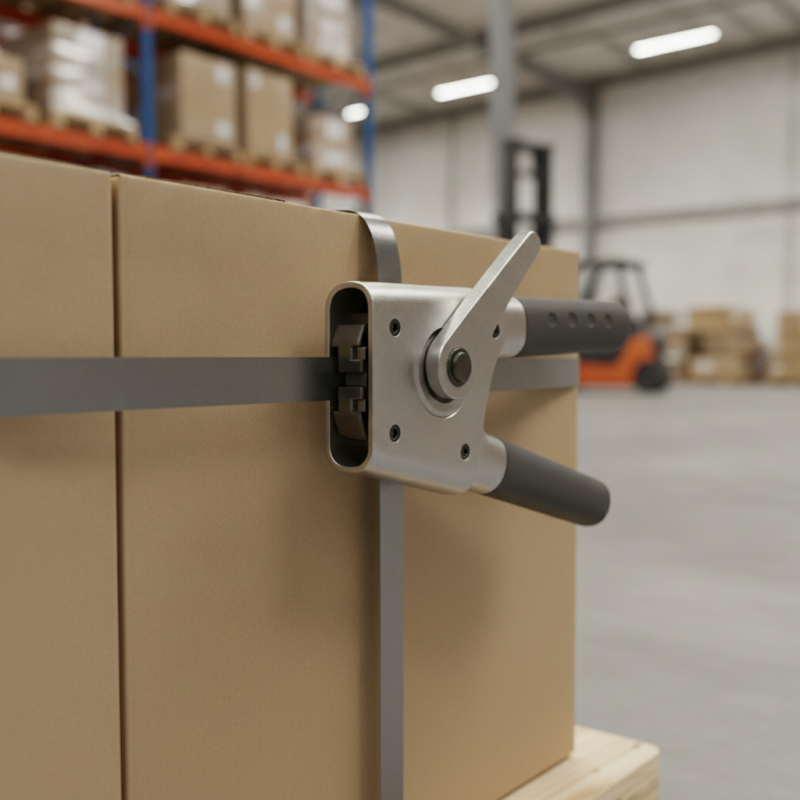
Choosing the right Metal Banding Tool is crucial for ensuring strong and efficient packaging solutions. According to industry reports, about 65% of logistics companies face challenges with outdated banding tools. This can lead to increased costs and shipment delays. Selecting the appropriate tool can reduce these issues significantly.

The type of metal banding tool can impact the overall efficiency in operations. Research indicates that 70% of packaging failures occur due to improper tool utilization. These failures often result in product damage and customer dissatisfaction. Additionally, investing in quality tools can enhance productivity and safety in the workplace.

Manufacturers are constantly evolving their Metal Banding Tool designs. While there are numerous options, not all tools are created equal. Potential buyers should consider durability, ease of use, and maintenance requirements. A poor choice here can lead to costly mistakes and safety hazards. Remain vigilant and assess your specific needs before making a decision.
Ultimate Tips for Choosing the Right Metal Banding Tool?

Understanding Metal Banding: Types and Applications in Industry

Metal banding is essential in numerous industries, from packaging to construction. Different types of metal banding exist, including steel, stainless steel, and polypropylene. Each type serves unique purposes based on strength, corrosion resistance, and flexibility. For instance, steel banding is strong, ideal for heavy loads. In contrast, polypropylene is lightweight and suitable for lighter applications.

Selecting the right metal banding tool is crucial. Various tools are designed for specific banding materials. A tensioning tool, for example, applies the needed tension to the band. The choice of tools affects durability and effectiveness. Not all tools perform well with every banding type. Misalignment or inadequate tension can lead to failure in securing loads.

Understanding these factors enhances operational efficiency. Industry professionals frequently face challenges in tool selection. A common mistake is overlooking the banding material's properties. Users may underestimate the importance of tool quality as well. Investing in reliable tools is essential for optimal performance and safety in applications. Balancing cost and functionality is often a struggle in decision-making.

Metal Banding Tools Overview

Key Factors in Selecting Metal Banding Tools for Optimal Performance

Choosing the right metal banding tool is critical for ensuring efficiency and durability in your projects. Key factors play a significant role in this selection process. One vital aspect is the tool’s tensile strength. According to industry reports, tools with at least 3,000 PSI tensile strength are preferred for heavy-duty applications. This strength ensures that the banding can withstand substantial stress without failing.

The ease of use is another essential factor. A tool that is complicated may lead to improper application. Reports indicate that intuitive tools reduce error rates by over 20%. Users should consider tools with ergonomic designs. This design minimizes strain during prolonged use, promoting better performance. Additionally, the compatibility with different materials is important. Some tools perform well only with specific banding types, which may limit their versatility.

Maintenance requirements also deserve attention. Tools needing frequent repairs may disrupt workflow. Nearly 15% of professionals report that maintenance costs can exceed initial investments over time. Investing in a well-reviewed tool can mitigate these ongoing costs. However, it’s crucial to read reviews carefully. Not all high ratings equate to reliability, highlighting the need for thorough research before making a final choice.

Ultimate Tips for Choosing the Right Metal Banding Tool

Feature Description Importance Level
Material Compatibility Ensure the tool can handle the type of metal banding (steel, polyester, etc.) High
Banding Width Select tools that accommodate different widths of banding material. Medium
Tensioning Capability Look for tools that provide adjustable tension settings for secure banding. High
Ease of Use Choose tools that are user-friendly and require minimal training. Medium
Portability Consider weight and design for ease of transport and on-site usage. Low
Durability Select tools made from robust materials that withstand heavy use. High
Maintenance Requirements Check for tools that require minimal maintenance for consistent performance. Medium
Price Range Compare pricing within your budget while considering long-term investment. Medium

Comparative Analysis of Manual vs. Automatic Metal Banding Tools

When it comes to metal banding, choosing the right tool matters greatly. Manual and automatic tools serve different needs. Manual banding tools are often more affordable and straightforward. They require physical effort to operate, which can be tiring for extended periods. However, they offer greater control. Users may prefer them for small-scale projects or intricate tasks.

On the other hand, automatic metal banding tools provide speed and efficiency. They can significantly reduce labor costs and time. These tools handle heavy-duty projects well. Yet, they come with a higher initial investment. Users must consider their specific needs and budget. Maintenance for automatic tools may also be more complex, adding to long-term costs.

Choosing between manual and automatic tools can be challenging. It’s essential to assess the workload and volume of tasks. Each option has its pros and cons, which can complicate decision-making. For those with ever-changing needs, flexibility may be a critical factor. Ultimately, it’s crucial to analyze your situation honestly. Each choice can have a different impact on productivity and satisfaction.

Evaluating Tool Features: Tensioning, Sealing, and Cutting Mechanisms

When evaluating metal banding tools, the tensioning mechanism is crucial. A tool with an adjustable tensioning feature can adapt to various material types. According to a recent industry report, 45% of users experienced better efficiency with adjustable tension settings. These settings allow for optimal performance and prevent product damage during bundling. Proper tensioning ensures durability in transport.

Next, the sealing mechanism should not be overlooked. Heat sealing provides a strong bond, while friction sealing delivers speed. One report highlights that 35% of users favor heat sealing for its low failure rates. The sealing method you choose affects the overall integrity of the bundles. Tools that offer both methods offer versatility for different applications.

Cutting mechanisms can also impact efficiency. A clean cut prevents frayed edges and inconsistencies. Users often report frustration with dull blades, leading to wasted time on rework. Selecting a tool with self-sharpening capabilities can mitigate this issue, enhancing reliability. Not every tool excels in cutting; thus, keen evaluation is essential for optimal performance.

Cost-Effectiveness: Analyzing ROI on Metal Banding Equipment Investment

Investing in metal banding tools can significantly impact your operations’ profitability. A recent industry report indicated that businesses experience an average return on investment (ROI) of 150% within the first year after upgrading their equipment. However, not all tools provide the same value. Understanding your specific needs is crucial for maximizing ROI.

When selecting a metal banding tool, consider durability and ease of use. A tool that requires frequent repairs can drain your budget. A study revealed that 30% of companies blame downtime on outdated banding equipment. This is a clear reminder that a higher upfront cost can lead to savings down the line.

Look for features that enhance efficiency. Tools equipped with automatic tensioning systems can reduce labor time by up to 25%. This efficiency boost translates directly into lower operational costs. Always evaluate the total cost of ownership, not just the initial price tag. A more expensive, reliable tool could result in fewer replacements and repairs, ultimately saving money.

FAQS

: What are the different types of metal banding available?

: There are steel, stainless steel, and polypropylene types. Each type has unique strength and flexibility features.

Why is selecting the right metal banding tool important?

The right tool affects durability. Misalignment can lead to failures. Proper tension is crucial for securing loads.

What is a common mistake when choosing banding tools?

Users often overlook the properties of the banding material. Tool quality may also be underestimated.

What tensile strength should metal banding tools have?

Tools with at least 3,000 PSI tensile strength are preferred. This strength supports heavy-duty applications effectively.

How does ease of use affect tool performance?

Complicated tools can lead to errors. Intuitive tools reduce error rates significantly, improving overall performance.

What should users consider regarding tool maintenance?

Tools needing frequent repairs can disrupt workflow. Maintenance costs may exceed initial investments over time.

What are the advantages of manual banding tools?

Manual tools are often affordable and offer greater control. They are suitable for small or intricate projects.

What benefits do automatic metal banding tools provide?

Automatic tools provide speed and efficiency. They reduce labor costs but require higher initial investments.

How can users decide between manual and automatic tools?

Users should assess workload and task volume. Each option has pros and cons affecting overall productivity.

Why is flexibility important when choosing banding tools?

For users with changing needs, flexibility can impact satisfaction. It's essential to evaluate your specific situation carefully.

Conclusion

In the quest for the ideal Metal Banding Tool, understanding the various types and applications of metal banding in industrial settings is crucial. Different tools serve distinct purposes, so it's important to evaluate key factors that influence performance, such as the tool's tensioning, sealing, and cutting mechanisms.

A comparative analysis of manual versus automatic metal banding tools highlights the efficiency and ease of use offered by automatic options, while manual tools can provide flexibility in certain applications. Cost-effectiveness is another vital consideration; analyzing the return on investment (ROI) associated with metal banding equipment can significantly impact procurement decisions. Overall, selecting the right Metal Banding Tool involves careful consideration of these elements to ensure optimal performance and value.

Oliver

Oliver

Oliver is a seasoned marketing professional with a wealth of expertise in driving brand awareness and engagement. With a deep understanding of our company's product offerings, he consistently delivers high-quality content that enriches our professional blog. His insights not only shed light on......