Choosing the right Banding Tools can shape packaging speed, product protection, and operating costs across international supply chains. Global buyers face more than machine prices. They must examine band width, tension control, sealing quality, maintenance access, operator safety, and local service support.
Packaging author Walter Soroka describes packaging as “the art, science, and technology of enclosing and protecting products for distribution, storage, sale, and use.” His observation remains relevant. A banding machine must protect the product while fitting real production conditions. A delicate bakery carton needs different tension from a rigid corrugated bundle. A retail pack may require a clean paper band, while an industrial shipment may demand stronger material and faster cycles.
This guide explores the top 10 Banding Tools for global buyers. It considers tabletop units, automatic systems, battery-powered models, and integrated packaging lines. Each option is assessed through practical criteria, including throughput, band compatibility, adjustment range, energy use, spare-part availability, and after-sales training.
Specifications can mislead.
A machine rated for 30 bundles per minute may perform differently in a humid warehouse. Operators may also need more setup time than brochures suggest. That is an important limitation. No ranking can fit every factory, budget, or product profile. Buyers should test representative materials before committing. They should also request service records, warranty terms, and compliance documentation.
The strongest choice is not always the fastest machine. It is the tool that delivers stable results, safe operation, and manageable ownership costs. This comparison offers a practical starting point for informed purchasing decisions.
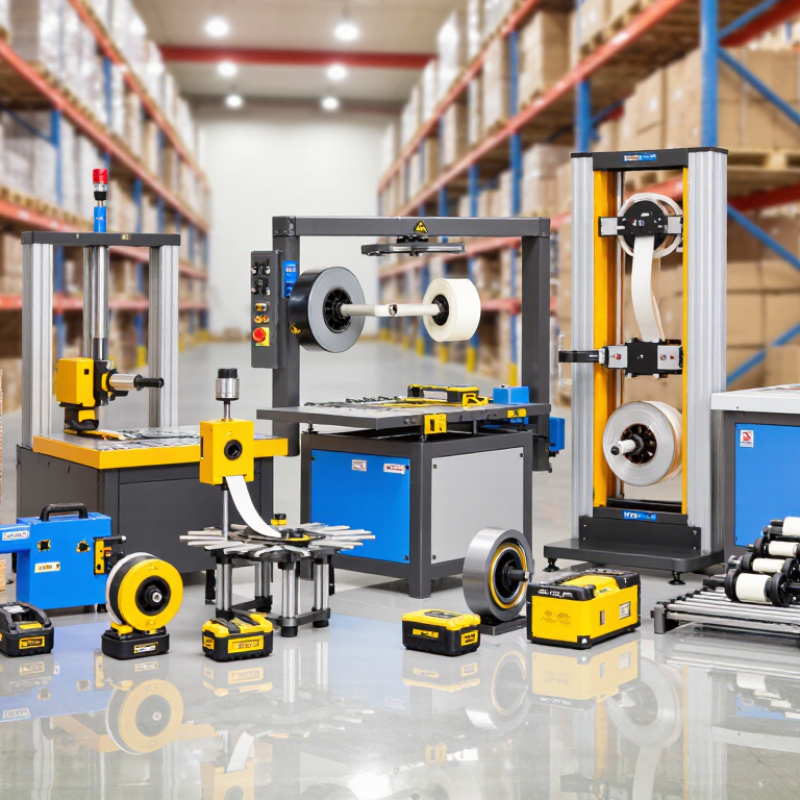
Banding tools secure products with a narrow strip of paper, film, or other suitable material. They are common in retail packaging, printed materials, food cartons, and grouped components. The tool pulls the band around the items, applies controlled tension, and seals the overlap. Depending on the model, sealing may use heat, adhesive, or ultrasonic energy.
Manual tools suit low-volume packing and unusual bundle sizes. Semi-automatic units reduce operator effort while keeping flexible placement. Automatic machines feed, tension, cut, and seal bands with limited handling. In my sourcing experience, the most important details are band width, bundle dimensions, sealing temperature, and power compatibility. A tool that works well on flat cartons may struggle with soft or uneven products. That is easy to overlook.
Tips: Test real samples before ordering. Check the smallest and largest bundle sizes. Ask for cycle-time data under normal conditions. Confirm voltage, spare-part access, and operator training. Keep band tension moderate; excessive force can crush corners or deform products. Also inspect seal strength after storage and transport simulation. A perfect-looking seal can still fail later. I have seen buyers focus on speed and ignore material waste. That choice can increase operating costs. When comparing suppliers, request videos, test reports, and clear maintenance instructions. Local service support matters, especially when production schedules cross time zones.
The best banding tools are defined by performance, control, and dependable daily use. A strong machine should handle paper, plastic, or other approved banding materials without frequent adjustments. It should apply even tension without crushing cartons or leaving loose ends. Clean sealing matters too, especially when packages face vibration during international transport.
Practical testing reveals more than a catalog. Operators should examine cycle speed, noise, access to moving parts, and the clarity of the control panel. Tool-free cleaning can reduce downtime. Adjustable band width and tension settings support different product sizes.
Safety sensors, emergency stops, and guarded heating areas are essential features. Low energy use helps, but only when sealing quality remains consistent.
Global buyers also need reliable documentation. Clear manuals, compatible voltage options, spare-part availability, and responsive technical support can prevent expensive delays. A useful warranty should explain coverage in plain language. Certifications must match the destination market and the machine’s intended use.
Data connections may help larger facilities track output, although smaller teams may find them unnecessary. No tool performs perfectly in every environment. Some models run quickly but demand frequent maintenance. Others feel simple, yet offer limited adjustment. That trade-off deserves honest testing before purchase. A short trial with real cartons often exposes weaknesses that polished specifications hide.
Global buyers need banding tools that match material, load, and operating conditions. Smithers estimated the global packaging market at about US$1.17 trillion in 2023. That scale makes small equipment decisions surprisingly important.
The top ten options are manual tensioners, manual sealers, battery tensioners, pneumatic tensioners, pneumatic sealers, heat-seal tools, ultrasonic sealers, tabletop banding machines, automatic arch machines, and inline banding systems. Manual tools suit low-volume shipping and irregular cartons. Battery tools improve mobility but require charging discipline. Pneumatic models deliver steady tension on busy lines. Heat sealing works well with plastic straps. Ultrasonic sealing can reduce consumables, though setup errors may weaken the joint.
PMMI’s Global Packaging Trends research highlights labor efficiency, automation, and sustainability as major purchasing pressures. Buyers should test strap width, surface friction, carton compression, and ambient temperature before signing a contract. Ask for cycle-time data, seal-strength results, spare-part availability, and operator training records. A machine that reaches 30 cycles per minute may still underperform if changeovers take fifteen minutes. That matters.
Field trials often expose overlooked problems. Narrow straps can cut soft cartons. Excessive tension can damage printed packaging. The most advanced tool is not automatically the best one. Global teams should document failed tests, not hide them, and compare total operating cost across three shipping seasons.
The chart compares ten commonly used banding-tool categories by indicative packaging throughput. Automatic and semi-automatic systems generally process more bundles per hour, while manual tools offer lower cost, easier mobility, and greater flexibility for low-volume operations. Actual output depends on band material, package size, operator skill, and line configuration.
When comparing the top ten banding tools, global buyers should evaluate suppliers, not just machine prices. A reliable supplier explains tool tension, sealing strength, battery life, and material compatibility in clear figures. Ask for test results using your actual band width, package size, and operating temperature. A polished demonstration can hide weak performance. Request a sample run with cartons, pipes, or pallet loads similar to your daily work. Review warranty terms, spare-part availability, operator training, and technical response times. These details often reveal more than a product brochure.
Tips: Compare total ownership cost over three years. Include batteries, seals, maintenance, shipping, customs duties, and downtime. Ask whether the supplier keeps replacement parts near your market. Also check electrical documentation and safety instructions for your country. Written answers are useful evidence.
Experienced buyers should examine supplier consistency across regions. Can the supplier provide identical specifications to warehouses in different countries? Does it record quality checks before shipment? Does it offer remote troubleshooting with photos, videos, or service logs? A supplier with practical packaging knowledge can recommend the correct tool tension without damaging fragile goods. Still, no checklist is perfect. Forecasts can be wrong, and promised delivery dates may shift. A small paid trial may expose charging problems, awkward controls, or slow support before a large purchase. Supplier references should come from users with comparable volume, materials, and working conditions.
Before comparing ten banding tools, buyers should verify the working width, strap material, tension range, seal method, and power supply. A tool designed for light cartons may fail on dense pallets. Check whether replacement blades, batteries, and seals are available near the destination. A small spare-parts gap can stop production for days. UNCTAD reports that more than 80% of world merchandise trade by volume moves by sea, so moisture protection and secure loading deserve close attention.
Request a complete technical sheet, test videos, and independent inspection records. Confirm the tool’s net weight, carton dimensions, HS code, country of origin, and warranty terms. Under ICC Incoterms 2020, responsibility for freight, insurance, and customs tasks changes with the agreed term. Never assume the supplier handles everything. The World Bank’s Logistics Performance Index 2023 highlights major differences in tracking, customs, and delivery reliability between markets. A low purchase price may become expensive after delays, duties, or incompatible voltage. That mistake is common.
Tips: Ask for three sample tests using your actual strap and package. Measure tension consistency, seal strength, and operator comfort. Confirm voltage before payment. Keep every specification in the purchase contract. A polished demonstration can still hide weak long-term performance. Check again.
It wraps a narrow strip around products, applies tension, and seals the overlap. Materials may include paper, film, or other suitable bands.
The tool feeds the band around a bundle, tightens it, cuts the excess, and seals the joint. Sealing may use heat, adhesive, or ultrasonic energy.
Manual tensioners and sealers suit small workloads, irregular cartons, and changing bundle sizes. They need more operator effort. That is the trade-off.
Automatic machines suit stable, repeated production with limited handling. They can feed, tension, cut, and seal bands quickly. Changeovers still matter.
Check band width, material, tension range, bundle dimensions, sealing method, and power compatibility. A flat carton test is not enough.
Use actual bands and packages in three sample tests. Measure tension consistency, seal strength, cycle time, and operator comfort.
Excessive tension can crush corners, deform products, or cut soft cartons. Keep pressure moderate. Inspect the seal after storage and transport simulation.
Confirm voltage, spare-part access, warranty terms, carton dimensions, weight, origin, and customs information. Freight, insurance, and customs duties depend on the agreed shipping terms.
Not always. A machine reaching 30 cycles per minute may lose time during long changeovers. Speed can hide waste and maintenance costs.
Request test videos, technical sheets, maintenance instructions, inspection records, and operator training. Local service support can prevent long production delays. Check again.
Banding Tools are equipment used to gather, secure, and package products with paper, film, or other suitable bands. They typically work by feeding material around a product or bundle, applying controlled tension, and sealing or cutting the band for a neat and consistent finish. The best Banding Tools combine reliable performance with easy operation, adjustable tension, accurate sealing, durable construction, and compatibility with different package sizes. Safety features, low maintenance requirements, energy efficiency, and clear technical documentation are also important for professional use.
For global buyers, comparing the top ten Banding Tools should involve more than price. Buyers should evaluate productivity, material compatibility, replacement-part availability, warranty coverage, supplier communication, certifications, and after-sales support. Before placing an international order, they should confirm product specifications, voltage requirements, packaging standards, delivery terms, inspection procedures, payment conditions, and return policies. A careful comparison helps buyers select a practical, dependable solution that fits their workflow and remains supported throughout international shipping and long-term operation.

Handpack