Choosing a reliable Steel Sealer manufacturer requires more than comparing factory prices. Global buyers need consistent sealing strength, safe operation, responsive service, and clear technical documentation. This guide introduces ten leading Chinese manufacturers serving international packaging and metal-processing markets. It focuses on practical factors that affect daily purchasing decisions.
The evaluation considers product design, production capability, quality control, export experience, and after-sales support. It also reviews sealing methods, compatible steel strap sizes, tension performance, tool durability, and replacement-part availability. A dependable supplier should explain testing procedures, material specifications, warranty terms, and delivery arrangements without vague promises. Product certifications and documented inspection records can strengthen buyer confidence, especially for large-volume orders.
Small details matter.
For example, buyers should ask how a sealer performs in dusty workshops, cold warehouses, or continuous production lines. Factory images are useful, but they do not replace sample testing or direct technical communication. Some manufacturers may appear highly competitive online, yet their service capacity can vary by region and order size. That limitation deserves attention.
This ranking is intended as a practical starting point, not an absolute verdict. Manufacturer strengths can change with equipment upgrades, staff experience, export policies, and customer feedback. Buyers should verify current specifications before signing contracts. By comparing evidence instead of relying on marketing language, procurement teams can identify a Steel Sealer supplier that balances performance, safety, cost, and long-term support.
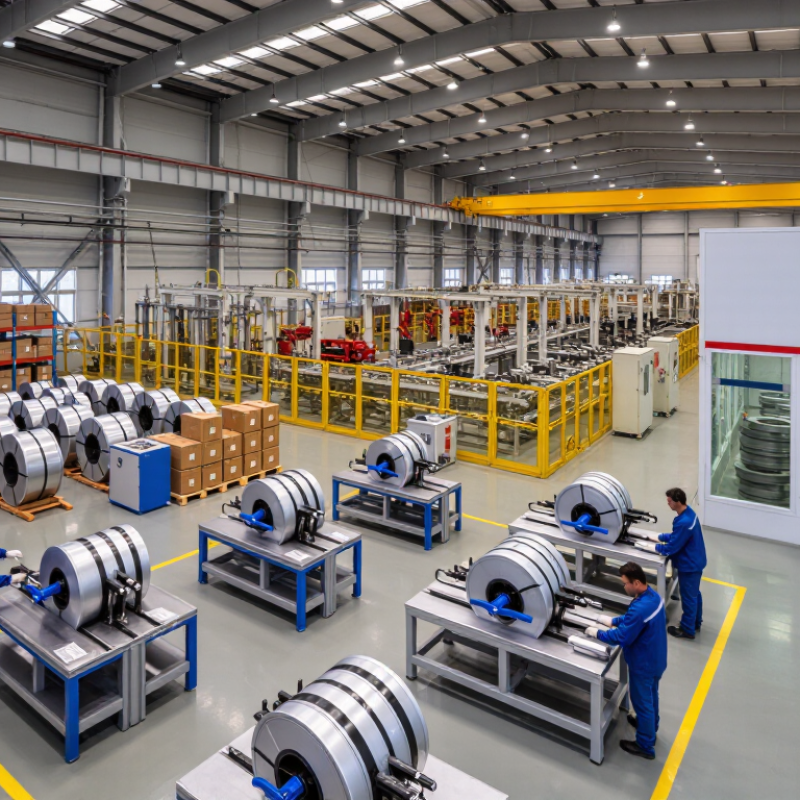
Steel sealers are tools that join steel strapping around heavy cargo. They crimp or notch a metal seal after the strap is tensioned. In a packing line, an operator may secure a steel coil, machine frame, or timber crate within seconds. The tool must match strap width, thickness, seal shape, and working method. A poor match can leave uneven crimps or damaged strap edges. Small details matter.
Global buyers often source these tools from China because the country has a deep metalworking and packaging-equipment supply chain. Factories can provide manual, pneumatic, and battery-assisted models for different packing volumes. Many suppliers also support private specifications, handle samples, and adjust jaw geometry after testing. This flexibility helps distributors serve varied markets without ordering completely new equipment. Competitive production costs can help, but price alone is a weak purchasing reason. Real value depends on consistent crimp depth, durable jaws, comfortable handles, and available replacement parts.
Experienced buyers usually request drawings, material details, inspection records, and a sample before approving a larger order. They should confirm compatibility with local steel strap standards and test seals under realistic tension. Traceable batches and clear packaging reduce confusion during international delivery. Still, not every low-cost factory offers dependable calibration or responsive after-sales support. That risk deserves attention. A supplier may pass a visual check yet fail after repeated use in dusty warehouses. China can be a practical sourcing base, but careful verification remains the buyer’s responsibility.
Anonymous product-capability benchmark for steel strapping sealer configurations
| No. | Steel Sealer Configuration | Typical Strap Width | Typical Strap Thickness | Power Source | Typical Tension Capability | Joint Method | Best-Fit Applications | Buyer Considerations |
|---|---|---|---|---|---|---|---|---|
| 01 | Manual open-seal tensioner and sealer | 13–19 mm | 0.40–0.70 mm | Manual | Light to medium duty | Sealed joint with open seals | Pallets, cartons and small bundles | Low entry cost, portable operation and minimal maintenance |
| 02 | Heavy-duty manual sealer | 19–32 mm | 0.60–0.90 mm | Manual | Medium to heavy duty | Notched or crimped joint | Steel coils, pipes and metal products | Suitable where high strap strength is needed without compressed air |
| 03 | Pneumatic open-seal sealer | 19–32 mm | 0.50–0.80 mm | Compressed air | Medium to high duty | Crimped joint with open seals | Manufacturing lines and repetitive packaging | Fast cycle time; requires a reliable air supply and filtration |
| 04 | Pneumatic closed-seal tool | 19–25 mm | 0.50–0.80 mm | Compressed air | Medium to high duty | Closed seal joint | General industrial packaging | Consistent sealing pressure and reduced operator effort |
| 05 | Battery-powered tensioning and sealing tool | 16–19 mm | 0.40–0.70 mm | Rechargeable battery | Light to medium duty | Friction-welded or sealed joint | Warehouses, logistics and mobile packaging | Cordless mobility; battery capacity and charging time affect productivity |
| 06 | Friction-weld steel strap sealer | 19–32 mm | 0.50–0.80 mm | Battery or pneumatic | Medium to high duty | Friction-welded joint | Flat packages and regular pallet loads | Eliminates separate seals; requires clean, correctly aligned strap surfaces |
| 07 | Push-type steel strap sealer | 19–25 mm | 0.40–0.70 mm | Manual or pneumatic | Light to medium duty | Push-type closed seal | Boxes, bundles and compact loads | Simple operating principle and easy tool positioning in confined spaces |
| 08 | Notch-joint steel strap sealer | 19–32 mm | 0.60–0.90 mm | Manual or pneumatic | Medium to heavy duty | Notched joint without separate seal | Steel, timber and heavy bundled products | Reduces consumable requirements; correct notch depth is essential |
| 09 | Angle-access steel sealer | 19–32 mm | 0.50–0.90 mm | Manual or pneumatic | Medium to heavy duty | Open-seal or closed-seal joint | Large coils, pipes and irregular loads | Improves access around oversized loads and difficult strap positions |
| 10 | Integrated tensioner, sealer and cutter | 19–32 mm | 0.50–0.90 mm | Manual, pneumatic or battery | Medium to heavy duty | Seal, notch or friction weld | High-mix industrial packaging | Combines multiple operations and can reduce handling time and tool changes |
Compare production experience, engineering skills, and quality controls. Request drawings, material details, and samples from current production. A polished website proves little. The tool must perform.
Use the exact strap width and thickness from your operation. Check seal formation, jaw alignment, grip, and handle comfort. Notice operator effort. Repeat tests after hundreds of operations.
Check the pressure range, air consumption, hose connections, and cycling stability. Test the tool under normal workshop conditions. Dust can expose weaknesses.
Ask for incoming inspection records, calibration evidence, and final quality reports. Traceability helps identify defective batches. Certificates alone are not enough.
Arrange a remote factory audit or independent inspection. Review storage areas, machine maintenance, and production workflow. Verify business documents and export experience through reliable records.
Confirm lead time, peak-season capacity, spare parts, packaging strength, and after-sales response. Record payment terms and shipping conditions clearly. Small misunderstandings become expensive.
Samples show whether seals close evenly on actual steel strapping. Measure the joint after tensioning. Inspect for slipping, cracks, and sharp edges. Catalog images cannot show everything.
Not necessarily. Cheap tools may use weak materials or inconsistent dimensions. Poor cartons can cause damage during transport. I would remain cautious until a repeat order succeeds.
No scorecard is perfect. Formal reviews may overlook uncomfortable handles or slow parts delivery. Leave room for operator feedback and supplier correction. That detail matters.
This guide introduces the Steel Sealer, a practical tool used to secure steel strapping around coils, bundles, pipes, construction materials, and other heavy-duty shipments. It explains why global buyers often source these products from China, including broad manufacturing capacity, competitive pricing, flexible customization, improving production standards, and access to both manual and pneumatic solutions. Buyers will also learn how to evaluate manufacturers by reviewing material quality, sealing strength, equipment durability, production capabilities, certifications, quality-control procedures, export experience, and after-sales support.
The article presents an independent overview of ten leading categories of Chinese Steel Sealer manufacturers without promoting any specific brand. It compares key products, technologies, and applications across industries such as steel processing, logistics, construction, manufacturing, and warehouse operations. Finally, it offers practical guidance for comparing suppliers, requesting samples and quotations, confirming technical specifications, checking packaging and delivery arrangements, negotiating order terms, and placing secure international orders.

 Handpack