When it comes to choosing the right bander tensioner, the options can be overwhelming, especially in 2026. A bander tensioner is essential for efficient operations in packaging and bundling. An ideal choice ensures reliability and precision in tensioning materials. The best bander tensioners on the market come with various features that cater to different needs.
Selecting the right model requires consideration of several factors. Durability, ease of use, and compatibility with different strapping materials are vital aspects. Brands vary in their offerings, making it crucial to compare specifications and user feedback. Understanding the nuances between models can lead to better operational decisions.
However, not every product may live up to expectations. Some may lack the required durability, while others may not perform well in diverse conditions. It's important to reflect on past experiences and customer reviews. This analysis can enhance your selection process, ultimately leading to a more successful purchase decision.
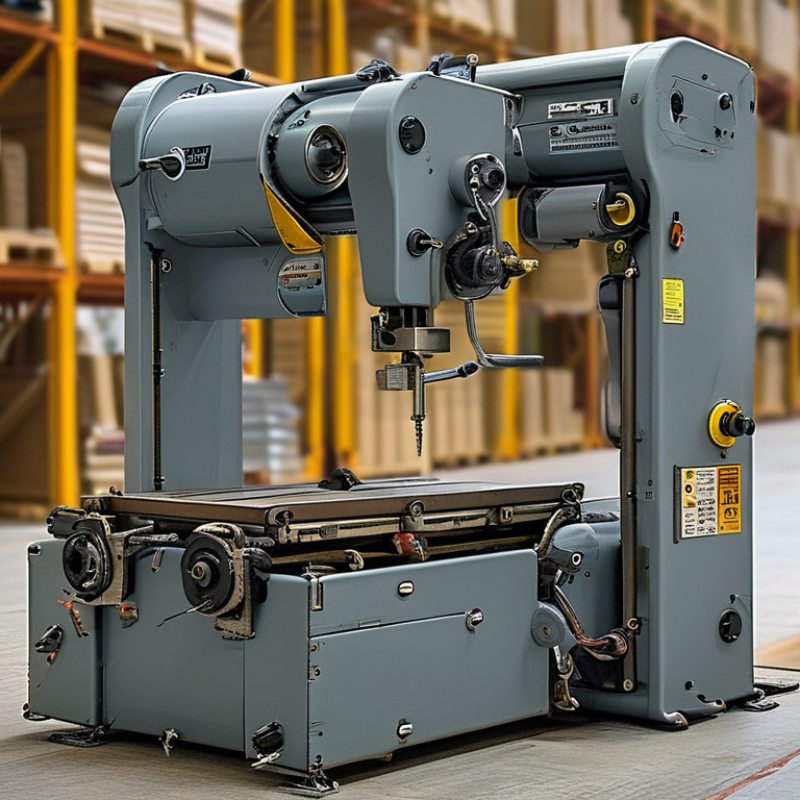
In 2026, the choice of bander tensioners is more crucial than ever. These tools enhance efficiency in packaging and logistics. Selecting the appropriate bander tensioner can significantly impact workflow and production quality. Many options are available, each with unique features catering to different needs. It's essential to assess the material, build quality, and adjustability of these tools for your specific applications.
Bander tensioners come with varying levels of user-friendliness. Some models may require a learning curve, which can be a barrier for new users. Consider the balance between functionality and ease of use. Investing time in training could lead to better returns in productivity. Moreover, pay attention to safety features. Effective tensioning prevents damage to both the products and the operator.
Performance can vary based on environmental conditions, such as temperature and humidity. Some bander tensioners might excel in specific scenarios but falter in others. This unpredictability often requires on-site testing. A clear understanding of your operational environment will guide you toward making the right choice. As 2026 approaches, reflecting on these factors can lead to more informed and reliable decisions.
When selecting a bander tensioner for 2026, it's essential to focus on key features. The tensioning mechanism is critical. A reliable tensioner should maintain consistent pressure without causing damage to the packaging material. Look for adjustable settings. This allows users to optimize tension based on the specific type of product being banded.
Durability should also be a consideration. A tensioner made from high-quality materials will often withstand the wear and tear of frequent use. Stainless steel components can be more resistant to environmental damage. Portability can enhance usability. Lightweight options are easier to maneuver, especially in tight spaces.
User-friendly designs are invaluable. A straightforward interface reduces the learning curve. Complex devices may frustrate users, leading to inefficiencies. Regular maintenance is another part to reflect on. Keep in mind that even the best tools require care to perform optimally. Investing time in understanding a tensioner's features can lead to better efficiency and product safety in the long run.
The bander tensioner market is evolving rapidly, with various brands vying for supremacy. According to a recent industry report, approximately 45% of companies are shifting to more automated and efficient tensioning solutions. This shift highlights the demand for high-performance tools that can streamline operations and reduce labor costs.
When comparing leading brands, several factors come into play. Users often prioritize reliability and ease of use. Detailed reports indicate that products with enhanced ergonomic designs tend to have a 30% higher satisfaction rate among users. Additionally, models incorporating smart technology show significantly improved performance metrics, reducing tensioning errors by nearly 25%. These advancements are crucial for industries that rely heavily on consistent packaging and binding processes.
However, not all options may adequately address every user’s needs. While some brands emphasize advanced features, others maintain a focus on cost-effectiveness. Buyers should scrutinize the trade-offs between high-tech innovations and straightforward reliability. This complexity can lead to decision fatigue. Being well-informed about product specifications can help mitigate this confusion and improve the selection process.
When selecting a bander tensioner in 2026, user feedback highlights key concerns. Many users express the importance of durability and ease of use. A recent industry report noted a 35% increase in demand for tensioners designed with user-friendly features. It indicates an industry shift towards devices that simplify operation, particularly for less experienced users.
Reviews also suggest that performance reliability remains a top priority. A survey revealed that 68% of users encountered issues with their previous tensioners, primarily due to inconsistent tension levels. In contrast, the latest models have been designed to maintain constant tension, minimizing rework. Users appreciate the models that provide clear indicators for optimal tension application.
While there are many options available, real-world experiences illustrate the need for caution. Some users have mentioned that overly complex features can sometimes hinder performance. A model that prioritizes straightforward functionality might be more beneficial than one packed with advanced features. The focus should be on choosing a tensioner that meets specific operational needs while ensuring a satisfactory user experience.
In the rapidly evolving landscape of bander tensioning technology, companies are increasingly prioritizing automation. Reports indicate that the automation market in packaging machinery is expected to grow by 7% annually until 2026. This trend emphasizes the need for more efficient and precise tensioning solutions.
Recent innovations have led to advancements such as smart sensors and AI algorithms, enabling real-time monitoring and adjustments. These features are designed to reduce human error, improving packaging consistency. Data shows that facilities implementing these technologies can reduce their operational costs by up to 15%. Nevertheless, some manufacturers face challenges in integrating these advanced systems into existing workflows without major overhauls.
Sustainability is another critical trend influencing future developments. Companies are exploring eco-friendly materials and energy-efficient machines. A report highlights that approximately 30% of businesses are now incorporating sustainability into their equipment choices. While these innovations offer environmental benefits, transition costs can be a hurdle for many, requiring careful analysis of long-term gains versus immediate expenses.
: Users prioritize durability, ease of use, and reliability in bander tensioners.
There is a 35% increase in demand for user-friendly tensioners, reflecting a shift toward simplicity.
Many users reported inconsistent tension levels, affecting performance and requiring rework.
Sometimes, complex features hinder performance. Simplicity can be more effective.
Smart technologies reduce tensioning errors and enhance performance, improving packaging consistency.
Automation is growing, expected to increase by 7% annually, enhancing efficiency and precision.
Many companies are exploring eco-friendly materials, but transition costs can pose challenges.
Enhanced ergonomic designs lead to a 30% higher user satisfaction rate and comfort in operation.
Feedback reveals real-world performance issues and guides improvements in product design.
Buyers need to weigh advanced features against cost-effectiveness and their specific operational needs.
In the article "Top Bander Tensioner Options for 2026: What to Choose?", an overview of the various Bander Tensioner options available in 2026 is presented, emphasizing their importance in efficient packaging and material handling. Key features to consider when selecting a Bander Tensioner include durability, ease of use, and tension adjustment capabilities.
The article also provides a comparative analysis of leading brands, highlighting user feedback and reviews that reflect on performance and reliability. Moreover, it discusses future trends and innovations in Bander Tensioning technology, suggesting that advancements in automation and material science will significantly enhance the functionality and efficiency of Bander Tensioners in the coming years.

Handpack