In 2026, choosing a Belt Sealer is less about finding one “best” machine and more about matching the sealer to the package, product, and pace of work. A small tabletop model may suit short production runs, while a continuous band sealer can keep bags moving through a busy packing line. Horizontal machines typically handle products that sit flat; vertical designs can help when bags contain liquids or loose materials. Details matter. Film type, bag thickness, seal width, and conveyor height all affect the finished seal.
This guide compares common belt sealer types, including horizontal and vertical units, models with date coders, and systems designed for gas flushing. It explains what each option can do and where its limits may show up. For example, a date coder adds useful traceability, but it also needs adjustment and routine checks. Stainless steel construction may be valuable in washdown areas, though it can raise the purchase price. Small differences become visible on the production floor.
There is no universal winner. A sealer that performs well with one pouch film may produce uneven seals with another, so testing samples before purchase is a practical step. Buyers should also consider operator access, spare parts, temperature control, and the support available from the supplier. Specifications help, but they do not tell the whole story. This overview offers a grounded starting point for comparing belt sealer types in 2026, while recognizing that real packaging conditions can be messier than a product sheet suggests.
What Are the Top Belt Sealer Types for 2026?
How Continuous Belt Sealers Work
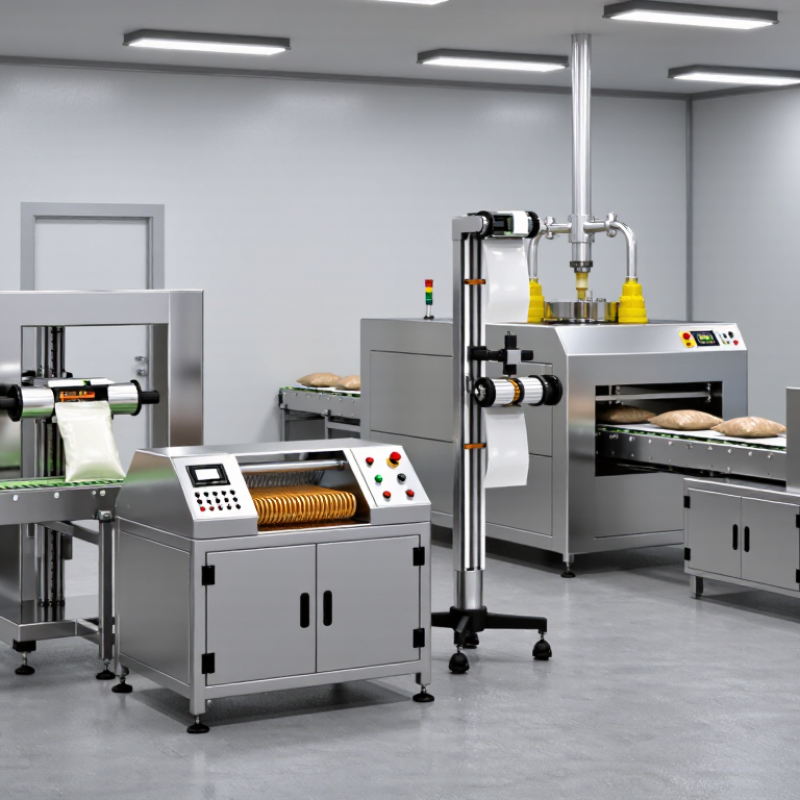
Continuous belt sealers close packages as they move through the machine, instead of stopping for each seal. An operator feeds an open bag between moving belts, which guide its top edge past heated sealing elements. Heat softens the film layers. Pressure brings them together, and cooling blocks help the seal set before the package exits. That matters.
Common configurations include horizontal and vertical machines. Horizontal models suit many dry products that can rest flat during sealing. Vertical models keep the package upright, which can help when contents might spill or shift. The right setup depends on the product, bag material, line speed, and available floor space—not just the machine’s advertised output.
On a working line, even a small wrinkle can create a weak spot. Film thickness, temperature, belt speed, and pressure all affect seal quality, so operators should check finished samples during setup and after material changes. A setting copied from another line may not work here. Small trials help. Still, a clean-looking seal is not proof of a dependable closure; inspect it consistently using a method suited to the package and product.
Moving belts guide the open edge past heated elements. Heat softens the film, and pressure joins its layers. Cooling blocks help the seal set. The bag keeps moving.
Horizontal models suit products that can rest flat, such as grains or small hardware. Vertical models keep pouches upright, which can help prevent powders or liquids from reaching the sealing area. Not every product behaves neatly.
A compact, manually fed model may suit short runs. Larger lines can use conveyor-linked equipment. Match the setup to your actual bag sizes and workflow, not just the advertised speed.
They must suit the film and pouch thickness. A belt moving too quickly may leave weak seals if the heat is insufficient. Try the intended production speed. Check several filled bags.
Look for wrinkles, gaps, or product caught in the seam. Check sample bags after setup and whenever packaging material changes. A smooth-looking seal can still be unreliable.
Clear temperature and speed readings, alarm history, stable belt tracking, and recipe storage can help. Sensors may flag drift or misalignment. Helpful, but not a substitute for inspection.
Keep the belts clean and confirm the film’s heat-seal range. Run a short trial before a full shift. Small detail, big difference.
No. Poorly balanced speed and heat can weaken seals, while a complicated interface may slow staff down. Test your own packaging materials. The best choice may still need adjustment.
Belt Sealer technology keeps packaging moving by carrying bags through heated sealing elements that apply consistent heat, pressure, and contact time. In 2026, available designs include continuous band sealers for high-volume production, compact units for smaller workspaces, and configurations suited to different bag materials and operating speeds. Horizontal models are generally used for packages that rest flat on the conveyor, while vertical models help handle bags containing liquids, powders, or other contents that should remain upright.
Choosing the right type depends on package size, material, product characteristics, production volume, and available space. Advanced models may offer adjustable temperature and speed controls, digital settings, cooling sections, and monitoring features for more consistent results. Matching these capabilities to the packaging task can support reliable seals, smoother workflows, and reduced waste without adding unnecessary complexity.

 Handpack