China Top Friction Weld Tool Manufacturers Where to Buy?

Time:2026-09-23 Author:Ethan
0%

China Top Friction Weld Tool Manufacturers Where to Buy? This question matters to aerospace, shipbuilding, rail, and aluminum fabrication buyers. A reliable tool supplier affects weld consistency, tool life, and production downtime.

Recent reports from MarketsandMarkets and Grand View Research forecast continued growth in friction stir welding equipment. However, their market boundaries differ. Some include machines, tooling, and services. Others measure equipment alone. Their forecasts should guide research, not replace technical verification. The Welding Institute describes friction stir welding as a solid-state process. Wayne Thomas, its inventor, has explained it as “a solid-state joining process.” That principle remains central when evaluating a Friction Weld Tool.

In China, capable manufacturers usually offer tools made from H13 steel, cemented carbide, polycrystalline cubic boron nitride, or customized alloys. The correct choice depends on workpiece material, rotational speed, axial force, and expected tool life. Ask for hardness data, dimensional drawings, batch records, and sample weld results. Also request evidence related to ISO 25239 or relevant AWS requirements.

A polished website is not proof.

Buyers should inspect factory experience, testing equipment, export history, and after-sales response times. A video showing one successful weld is useful, but incomplete. Independent verification is still necessary. My practical concern is simple: some supplier comparisons focus heavily on price. That approach may ignore shoulder wear, pin fracture, delivery delays, and fixture compatibility. This guide will compare leading Chinese Friction Weld Tool manufacturers, purchasing channels, technical capabilities, and verification steps. It will also identify where buyers can request samples before committing to larger orders.
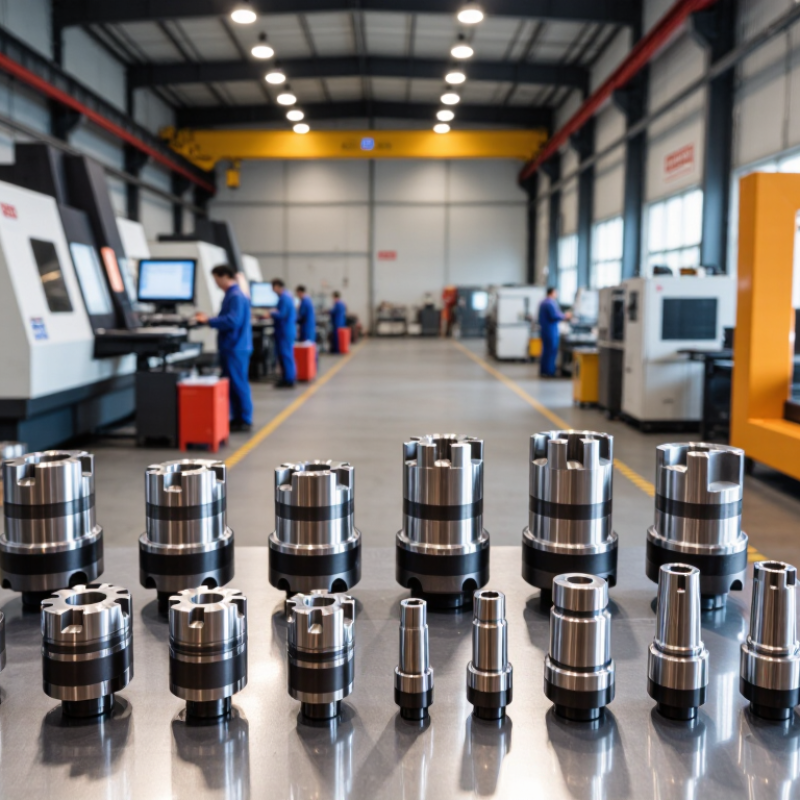
China Top Friction Weld Tool Manufacturers Where to Buy?

What Is Friction Welding and How Are Its Tools Used?

Friction welding joins materials through pressure and controlled heat created by movement. Unlike arc welding, it usually needs no filler metal or open flame. The process includes rotary, linear, and friction stir welding. Rotary systems spin one workpiece against another, then stop and forge the joint. Friction stir tools use a rotating shoulder and pin to soften and mix material along a seam. The metal remains mostly solid during welding. That detail matters.

The tools are designed for different jobs. Chucks hold parts firmly during rotation. Hydraulic cylinders apply forging pressure. Flywheels, brakes, and servo drives control energy and speed. A friction stir tool must resist heat, wear, and bending. Its pin length, shoulder shape, and material affect penetration and surface quality. In a shop trial, even a small alignment error can create flash, weak zones, or uneven seams. Not every tool suits every alloy.

When buying from Chinese manufacturers, request tool drawings, material certificates, load charts, and sample weld data. Ask how the supplier tests concentricity, hardness, and tool wear. A factory visit or live machine trial can reveal more than polished photographs. Check technical support, spare-part access, installation guidance, and response times. A low quotation may exclude fixtures, software, training, or shipping protection. I would also compare procedure qualification records against your actual materials and joint sizes. That step is easy to skip, and regretting it later is expensive.

Key Features of China’s Top Friction Weld Tool Manufacturers

China’s top friction weld tool manufacturers usually combine robust mechanics with practical process control. Look for machines built with rigid frames, stable spindles, and accurately guided axial systems. These features reduce vibration during high-load welding. They also support repeatable joints across steel, aluminum, copper, and selected dissimilar metals.

Control quality matters. Reliable manufacturers provide force, speed, displacement, and temperature monitoring. Clear data logging helps engineers trace each weld cycle. A useful control panel should show alarms without hiding essential readings. Ask for sample welds, cross-section reports, and test parameters before placing a large order. Small details matter.

Tooling flexibility is another strong feature. Check whether the supplier can produce custom fixtures, rotating tools, and replacement wear parts. Material selection should match heat, pressure, and production volume. Direct factory purchasing may offer better technical communication and customization. Verified industrial marketplaces can simplify comparisons, but documents still require careful checking. Request factory profiles, quality certificates, inspection records, and service terms. A video call is helpful, though it cannot replace an on-site audit.

No supplier gets every detail right. Some product pages may sound stronger than their test evidence. That deserves scrutiny. Shipping support, installation guidance, spare-part access, and operator training can affect the real purchase cost. Choose a manufacturer that explains limitations clearly, not one that promises everything.

How to Compare Friction Weld Tool Suppliers in China

Comparing friction weld tool suppliers in China requires more than checking catalog prices. A reliable supplier should explain weld force, spindle speed, braking time, and tool capacity in clear technical terms. Ask for drawings, process limits, and recent test data. Vague answers often indicate weak engineering support.

Request sample welds using your actual materials, diameters, and joint designs. Examine flash shape, joint strength, runout, and surface finish. A capable factory should provide inspection records and explain how each result was measured. During a factory audit, check machining areas, calibration labels, assembly cleanliness, and spare-parts storage. Small details matter. Ask who handles installation and how quickly remote support responds.

My first supplier comparison focused too heavily on purchase price. That was a mistake. A cheaper machine may require longer commissioning and more manual adjustment. Compare total cost, including tooling, training, shipping protection, software access, maintenance, and replacement seals. Confirm electrical requirements and safety documentation before placing an order. Clear warranty terms should define response times and excluded conditions. Suppliers should also accept realistic production targets instead of promising every result. One useful test is requesting a written process plan with tolerances and acceptance criteria. If the plan changes repeatedly, pause and investigate. The best choice is not always the largest factory; it is the supplier that documents its limits and consistently supports the process.

Where to Buy Reliable Friction Welding Tools

Where to Buy Reliable Friction Welding Tools

Finding reliable friction welding tools requires more than comparing prices. China has many experienced manufacturers producing rotary, linear, and orbital friction welding equipment. Look for suppliers with documented production experience, clear material specifications, and practical testing records. A serious manufacturer should explain spindle speed, axial force, tooling tolerance, and expected service life. Ask for sample weld data before placing a large order. Photos alone prove very little.

Visit the factory when possible, or request a live video inspection. Check machining areas, calibration equipment, finished tool storage, and quality documents. Reliable suppliers usually provide drawings, inspection reports, installation guidance, and spare-part support. Confirm whether the tools fit your welding machine and workpiece dimensions. A low quotation may exclude fixtures, delivery protection, training, or replacement parts. That can become expensive later.

Tips: Compare at least three manufacturers. Request a small trial order. Inspect tool surfaces for burrs, cracks, and uneven finishing. Ask how they handle failed components and delayed delivery. Read recent customer feedback carefully, but do not trust every testimonial. I have found that detailed technical answers often reveal more than polished factory presentations. Still, even a careful evaluation can miss hidden production issues. Build a written acceptance checklist before payment, and keep every specification in the contract.

What to Check Before Ordering from a Chinese Manufacturer

Choosing a Chinese friction weld tool manufacturer requires more than comparing prices. Check its production experience, engineering staff, and quality records. Ask how many years it has made similar tools. Request photographs of machining areas, heat-treatment equipment, and inspection stations. A clean workshop does not prove everything, but poor records often reveal deeper problems.

Define the tool material, dimensions, tolerance, hardness, and intended welding cycle in writing. Ask for material certificates and a sample inspection report. Confirm how the manufacturer checks runout, surface finish, and thread accuracy. If possible, order a trial tool before approving a larger batch. Test it under realistic pressure, speed, and temperature. Small details matter. A tool may look perfect and still fail after repeated thermal cycling.

Review the quotation carefully. It should identify tooling, packaging, delivery terms, inspection responsibilities, and replacement conditions. Confirm who pays when the sample misses the agreed tolerance. Ask for production photos and measured data before shipment. A third-party inspection can add useful confidence, especially for unfamiliar suppliers. Communication also deserves attention. Slow answers may signal weak project control, though this is not always true. I have seen technically capable suppliers lose trust through vague updates. Keep drawings, approvals, and changes in one written record. Never rely on verbal promises alone. Calibration certificates should be current and traceable. Supplier evaluation is not a one-time task; performance can change after the first successful order.

FAQS

What features should reliable friction welding tools have?

Look for rigid frames, stable spindles, and accurately guided axial systems. These features can reduce vibration during heavy welding cycles. Repeatable joints matter.

Which control functions are important?

Useful systems monitor force, speed, displacement, and temperature. Clear data logging helps engineers trace every weld cycle. Alarms should not hide essential readings.

What documents should buyers request before ordering?

Request drawings, material certificates, inspection reports, test parameters, and sample weld data. Cross-section reports can reveal internal joint quality. Photos are not proof.

How can buyers check a manufacturer’s factory?

Visit the workshop when possible. Check machining areas, calibration equipment, inspection stations, and finished tool storage. A live video inspection helps, but it cannot replace an audit.

What should be confirmed about tool compatibility?

Confirm spindle speed, axial force, tooling tolerance, workpiece dimensions, and machine connection details. The tool must fit the actual welding setup. Assumptions create problems.

Is a low quotation always better?

No. The price may exclude fixtures, protective packaging, training, delivery, or replacement parts. Ask for a complete cost breakdown before approval.

What should a trial tool be tested for?

Test hardness, runout, surface finish, thread accuracy, and dimensional tolerance. Use realistic pressure, speed, and temperature. A perfect-looking tool may fail after repeated thermal cycling.

How should buyers handle unclear supplier communication?

Keep drawings, approvals, changes, and acceptance criteria in one written record. Slow replies may indicate weak project control, though not always. I have trusted vague updates before, and that was not wise.

What quality issues should buyers inspect on finished tools?

Check for burrs, cracks, uneven finishing, damaged threads, and excessive runout. Ask for measured data before shipment. Small details matter.

How can buyers reduce purchasing risk?

Compare at least three manufacturers and consider a small trial order. Use a written acceptance checklist and current calibration records. Even careful evaluations can miss hidden production issues.

Conclusion

Friction welding is a solid-state joining process that uses pressure, controlled friction, and heat to bond compatible materials without melting them completely. A reliable Friction Weld Tool is essential for maintaining stable rotational speed, axial force, alignment, and temperature control during production. China’s leading manufacturers typically offer customized tool designs, durable materials, precision machining, and solutions for industries such as automotive, aerospace, energy, and general manufacturing.

When comparing suppliers, buyers should evaluate technical expertise, product quality, customization capabilities, production capacity, testing procedures, and after-sales support. Reliable friction welding tools can be purchased directly from qualified manufacturers, industrial equipment distributors, or verified business platforms. Before ordering, confirm material specifications, tool dimensions, operating conditions, compatibility with existing machinery, quality certifications, inspection reports, delivery schedules, warranty terms, and communication standards. A careful supplier review and clear technical agreement can help ensure consistent performance, safe operation, and long-term value.

Ethan

Ethan

Ethan is a seasoned marketing professional with a deep expertise in our company's innovative product line. With a passion for sharing knowledge and insights, he takes the lead in regularly updating our corporate blog, where he explores industry trends, product features, and effective marketing......