In the fast-paced world of packaging, choosing the right tools is crucial. An expert in the pallet strapping industry, Robert Lane, emphasizes, "The right pallet strapping tool can enhance efficiency and reduce waste." This insight reflects the importance of selecting appropriate equipment for the job.
Pallet strapping tools play a pivotal role in securing packages for transport. They help in maintaining the integrity of goods during shipping. However, not all tools deliver the same level of performance. New technologies emerge, but do they meet expectations? Understanding the features and benefits of each tool is essential.
Some tools might seem effective but may have hidden drawbacks. It's vital to prioritize quality over gimmicks. In the end, efficiency in packaging is about finding the balance between speed and reliability. The right pallet strapping tool could make a significant difference in your operations. Users should reflect on their choices and aim for improvement.
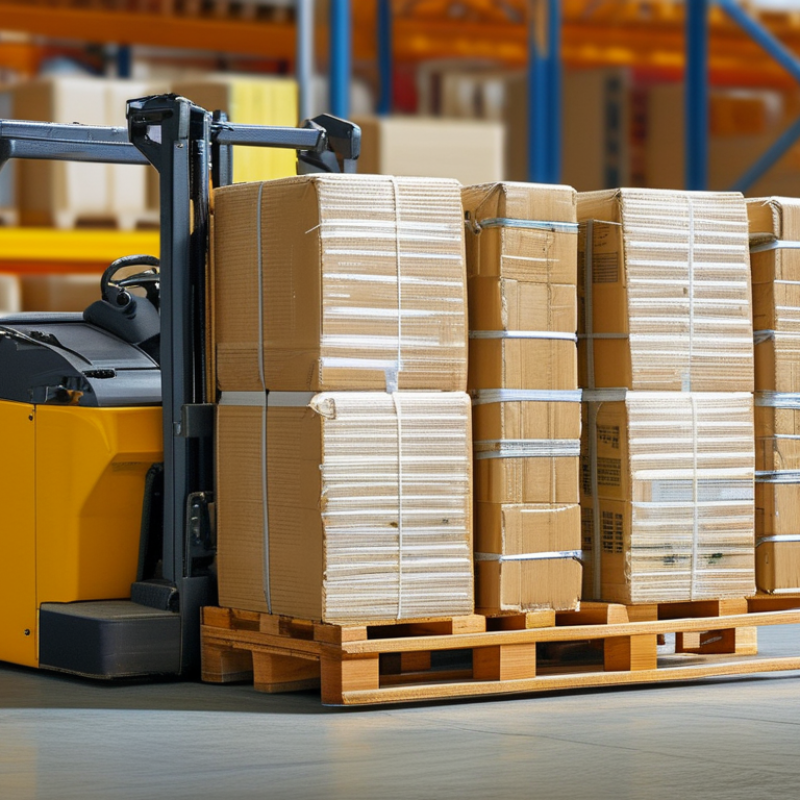
When selecting pallet strapping tools, various types can significantly enhance packaging efficiency. Common options include manual, automatic, and semi-automatic strapping tools. Each type serves unique needs, tailoring to different operational scales. Manual tools facilitate straightforward applications but may require more labor. Recent reports indicate that manual strapping tools account for approximately 45% of market share, highlighting their popularity.
Automatic strapping tools, incorporating advanced features, streamline processes and reduce labor costs. They are ideal for high-volume operations. According to industry analysts, the demand for automatic strapping systems has risen by 30% over the past three years. These tools improve speed and consistency in pallet packaging, leading to reduced error rates.
Semi-automatic tools offer a middle ground, often combining manual effort with mechanization. Users see improvements in workflow without needing complete automation. However, they may involve a steep learning curve for some. An industry survey revealed that 50% of users express concerns about the initial setup and training for semi-automatic systems, which can lead to temporary inefficiencies. Understanding the strengths and weaknesses of each tool type ensures better investment and packing solutions.
When selecting pallet strapping tools, several key features are essential for effective packaging. The material of the strapping tool significantly impacts its durability and performance. For instance, polypropylene and polyester are popular choices due to their strength and resistance to environmental factors. According to a report by Packaging Strategies, companies that prioritize material quality report a 30% decrease in packaging failures.
The tensioning mechanism is another critical factor. Tools that offer adjustable tension settings allow for flexibility depending on the package size. Efficiency can be increased by up to 25% when using tools with advanced tensioning features. Moreover, user-friendliness plays a vital role. Tools designed with ergonomic handles reduce user fatigue, which is crucial in high-volume environments.
Remember that cost is not the sole factor. Initial savings can lead to higher operational costs if the tools fail quickly. Regular maintenance is also crucial, yet often overlooked. Many companies report a 15% increase in lifespan when routine checks are conducted. Packaging solutions demand constant reflection and adaptation. Hence, investing in quality strapping tools can lead to long-term benefits, even if the initial investment is higher.
In the world of packaging, using the right tools can make all the difference. Pallet strapping tools are essential for securing goods efficiently. Industry reports indicate that improper strapping can lead to product damage, which costs businesses around $200 billion annually. Selecting effective strapping tools helps mitigate these risks.
A quality strapping tool should be durable and easy to use. For instance, using manual strapping tools can reduce reliance on power sources and offer greater mobility. Many studies show that about 80% of packaging engineers prefer tools that minimize operator fatigue. This feedback is crucial for improving product design.
Many companies have shifted towards automated strapping systems. Reports suggest that automating strapping processes enhances throughput by as much as 30%. However, it is essential to recognize that not all facilities may benefit equally from automation. Each operation has distinct needs. Balancing efficiency and investment is key. Understanding these variables helps companies make informed decisions on strapping solutions.
| Tool Name | Type | Material Compatibility | Strapping Width | Weight | Price Range |
|---|---|---|---|---|---|
| Manual Tensioner | Manual | Polypropylene, Polyester | 1/2" - 2" | 2.5 lbs | $30 - $50 |
| Electric Strapping Tool | Electric | Polyester | 1/2" - 1" | 4.5 lbs | $400 - $600 |
| Pneumatic Strapping Tool | Pneumatic | Polypropylene, Polyester | 1/2" - 1" | 5 lbs | $700 - $900 |
| Combination Tool | Manual | Polypropylene | 3/8" - 1" | 3 lbs | $50 - $80 |
| Battery Powered Strapping Tool | Battery | Polyester, Polypropylene | 1/2" - 1" | 5 lbs | $500 - $700 |
| Heavy Duty Strapping Tool | Manual | Polyester | 1/2" - 2" | 7 lbs | $80 - $120 |
| Strapping Dispenser | Manual | Polyester, Polypropylene | 1/2" - 1" | 3 lbs | $20 - $40 |
| Sealing Tool | Manual | Polypropylene | 1/2" - 1" | 1.5 lbs | $15 - $30 |
| Strapping Cutter | Manual | Polyester, Polypropylene | 1/2" - 2" | 1 lb | $10 - $25 |
| Strapping Chopper | Manual | Polyester | 1/2" - 1" | 2 lbs | $30 - $60 |
When evaluating strapping tools, the choice between manual and automatic options is crucial. Manual tools are generally cost-effective and require less maintenance. They are preferred for smaller operations. However, they can be labor-intensive and may lead to inconsistencies in tension. In contrast, automatic strapping tools enhance efficiency dramatically. A report by the Packaging Machinery Manufacturers Institute highlights that automation can increase production speed by up to 40%. This is crucial for businesses with high throughput demands.
A key consideration is the learning curve associated with each option. Manual tools are easier to operate but may lead to fatigue. Automatic tools require training but reduce physical strain. A study in the Journal of Packaging Technology reported a 30% decrease in worker fatigue with automatic systems. However, the initial investment is higher, which may not be feasible for all companies.
Tips: If considering an automatic tool, assess your production volume. It may not be worth the investment for low-volume packaging. Always conduct a trial period for any tool to identify areas for improvement. Observing worker feedback can uncover potential inefficiencies early.
Maintaining strapping equipment is crucial for effective packaging. Regular checks help prevent unexpected breakdowns. Inspect tools for wear and tear. Look for any cracks or rust. These issues can drastically reduce efficiency. Use a soft cloth to clean them after use. Keeping tools free from dust enhances their longevity.
Proper storage also plays a vital role. Ensure strapping tools are stored in a dry area. Humid environments can lead to rust on metal components. Using a dedicated toolbox can keep them organized. Avoid stacking heavy items on top of your tools, as this can cause damage. It’s important to have a routine to assess the condition of your strapping equipment. Addressing minor issues early can save time and costs later on.
Training staff on proper usage is equally important. They should know how to handle tools carefully. Improper use can lead to accidents or damage. Encourage a culture of responsibility. When everyone understands the importance of maintenance and storage, your strapping solutions will perform better and last longer. Consider scheduling regular team discussions about equipment care. This could improve overall efficiency in packaging processes.
: Common types include manual, automatic, and semi-automatic strapping tools. Each serves unique packaging needs.
Manual tools require more labor but are straightforward. They hold about 45% of market share due to their popularity.
Automatic tools streamline processes and reduce labor costs. They improve speed and consistency in high-volume operations.
Yes, they combine manual and mechanized efforts but may come with a steep learning curve for some users.
Regular maintenance is crucial to prevent breakdowns. Inspect tools for wear and use a soft cloth to clean them.
Tools should be stored in a dry area. Humidity can cause rust, so avoid stacking heavy items on them.
Improper handling can lead to accidents and damage. Staff training is important to ensure safety and efficiency.
Yes, discussions can improve team awareness and enhance overall efficiency in packaging processes.
Check for cracks, rust, or any wear and tear. Addressing minor issues early can save time and costs later.
Foster a culture where everyone understands maintenance importance. This can lead to better performance and longevity of tools.
In the realm of efficient packaging solutions, the choice of a suitable Pallet Strapping Tool plays a crucial role. The article outlines various types of strapping tools available in the market, helping readers understand their unique features and functions. Key features to consider when selecting a strapping tool include durability, ease of use, and compatibility with different strap materials, ensuring optimal performance for specific packaging needs.
Furthermore, the discussion highlights the pros and cons of manual versus automatic strapping tools, providing insights into their operational efficiencies. The top 10 recommended pallet strapping tools are presented, offering a comparative analysis to assist users in making informed decisions. Lastly, the article concludes with valuable tips on maintaining and storing strapping equipment, ensuring longevity and reliability in packaging operations. Overall, selecting the right Pallet Strapping Tool is essential for enhancing productivity and streamlining packaging processes.

Handpack