Top Tips for Using a Manual Banding Tool Effectively?

Time:2026-07-30 Author:Sophia
0%

Using a Manual Banding Tool effectively can enhance operational efficiency in various industries. John Smith, an expert in packaging solutions, states, "The correct application of a manual banding tool can transform your workflow." This emphasizes the importance of skillful usage.

Many users underestimate the nuances of this tool. Proper tensioning is crucial. Too loose, and the product may not stay together. Too tight, and you risk damaging the materials. Each project may present unique challenges, requiring adjustments and fine-tuning. Observing these details leads to better outcomes.

Experience shows that practicing with a Manual Banding Tool pays off. New users often struggle with technique. They might not realize that mastering a straightforward tool requires time and patience. Reflecting on mistakes can lead to improved skills and produce more reliable results.
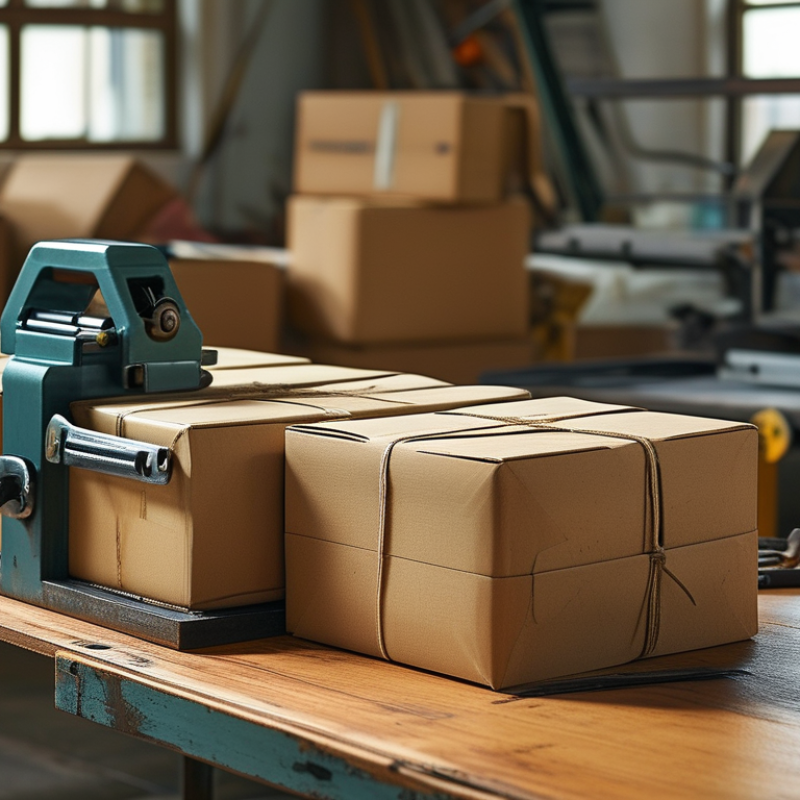
Top Tips for Using a Manual Banding Tool Effectively?

Understanding the Manual Banding Tool's Design and Functionality

Understanding the manual banding tool's design and functionality is crucial for effective use. These tools are ergonomically designed to be lightweight yet sturdy. They consist of a tensioning mechanism, which applies consistent pressure, a sealing device, and often a cutting blade for straps. Proper understanding of this setup plays a role in preventing common errors during use. According to industry reports, improper application can reduce material integrity by up to 30%.

User comfort is essential as well. Many models come with cushioned grips, allowing for extended use without discomfort. However, some users report slippage during operation, indicating the need for a custom fit. Studies have shown that a tool with adjustable parts can enhance user experience and operational efficiency. For example, an adjustable tension setting allows different strap materials to be managed effectively, ensuring secure loads.

Despite these advantages, mastering the manual banding tool takes practice. Users often face challenges in achieving optimal tightness without damaging the products being banded. Moreover, inconsistent techniques can lead to varied outcomes in packaging quality. Continuous training and awareness of best practices are vital. Providing feedback and documenting experiences can lead to improvements in both skill and tool performance.

Choosing the Right Banding Material for Optimal Performance

Choosing the right banding material is essential for effective use of a manual banding tool. Different materials offer unique benefits and drawbacks. Polypropylene is popular for its light weight and flexibility. However, it may lack the strength needed for heavier loads. On the other hand, polyester provides enhanced strength, making it suitable for more demanding applications.

When assessing which material to use, consider the weight of the items being banded. Heavier products require a stronger material. The environmental factors also come into play. For example, in humid conditions, a material that resists moisture would be ideal. Testing small samples can reveal how materials perform in real-world situations.

Reflecting on previous projects can guide future choices. If a particular material failed to meet expectations, take note. Gather feedback from team members who used the banding tool. Their insights can highlight which materials are most reliable. Remember, the goal is always optimal performance, and evaluating banding materials is a significant step in achieving that.

Adjusting Tension: Ensuring Effective Sealing Without Damage

Adjusting the tension on your manual banding tool is crucial for effective sealing. Too much tension can damage the packaging and contents. Too little tension may lead to inadequate sealing, risking product quality. Finding the right balance can be tricky and requires practice.

Start by using a controlled approach. Gradually tighten the band while keeping an eye on the material. You should feel resistance but not excessive strain. A good goal is to achieve a snug fit without warping the package. This attention to detail will help you create a seal that is both secure and aesthetically pleasing.

After sealing a few packages, evaluate your technique. Is there any visible damage? Are the seals consistent? Reflecting on these questions can guide you toward improvement. Adjusting tension is not just about mechanics; it’s about developing a skill with each use. The goal is to ensure effectiveness while learning from every session.

Top Tips for Using a Manual Banding Tool Effectively - Adjusting Tension: Ensuring Effective Sealing Without Damage

Tip Number Tip Description Recommended Tension Level Potential Risks if Not Followed
1 Adjust tension according to material thickness. Medium Inadequate sealing, potential product damage.
2 Use the manufacturer's tension guidelines. High Over-tightening can lead to tears.
3 Test tension on sample materials before full runs. Variable Inconsistent results can occur.
4 Utilize proper technique during tensioning. Low to Medium Risk of slippage or uneven pressure.
5 Regularly inspect banding tool for wear and tear. N/A Failure to maintain tools can cause accidents.

Safety Precautions When Using a Manual Banding Tool

When using a manual banding tool, safety should always come first. Ensure you wear protective gear, including gloves and safety goggles. Banding tools can exert significant force. This can lead to accidents if not handled carefully. Always check for loose clothing or dangling items that may get caught in the tool. Being aware of your surroundings is crucial. Make sure others are a safe distance away while you work.

It’s also important to maintain a firm grip on the tool. A slip can result in injury. Regularly inspect the banding tool for wear and tear. A worn tool can be unpredictable and unsafe. Take your time when handling materials. Rushing can lead to missed steps and unsafe practices. If you’re new to using a manual banding tool, consider seeking guidance from a more experienced user.

Adjust your technique according to the task at hand. Different materials may require different handling methods. Don’t hesitate to pause and reassess your approach if something feels off. This reflection can prevent potential mishaps. Keep a tidy workspace as well. Clutter can increase the risk of accidents. Remember, working safely doesn't mean working slowly. It means working smart.

Maintenance Tips to Prolong the Lifespan of Your Banding Tool

Maintaining a manual banding tool is crucial for efficiency and longevity. Regular maintenance can prevent wear and tear, ensuring the tool performs optimally for years. As noted in industry reports, proper care can extend a tool's lifespan by up to 50%.

Cleaning after each use is essential. Dust and debris can jam the mechanism. A simple wipe-down can go a long way. Remember to check for rust. Even small spots can worsen over time. Applying a lubricant to moving parts can help maintain smooth operation.

Tips: Store the tool in a dry place. Moisture can lead to corrosion. Schedule routine inspections to catch potential issues early. A survey indicated that 30% of tools fail due to neglect. Lastly, learn from mistakes. If your tool shows signs of damage, address it promptly to prevent further problems.

FAQS

: What is the main purpose of a manual banding tool?

: A manual banding tool is used for securing items with straps. It applies consistent pressure to ensure tightness.

How can user comfort be improved when using the tool?

Cushioned grips on some models can enhance comfort, especially during long tasks. Adjusting the fit is also important.

What are the risks of improper use of the tool?

Improper application can significantly reduce material integrity. It may lead to damaged products and increased waste.

What safety precautions should be taken while using the tool?

Always wear protective gear. Maintain a firm grip, and ensure there are no loose items nearby that can cause accidents.

How often should the manual banding tool be cleaned?

It should be cleaned after each use to prevent jams caused by dust and debris. Regular care is essential.

What should you do if the tool shows signs of wear?

Inspect the tool regularly. If you notice damage, address it promptly to avoid further issues.

Why is training important when using a manual banding tool?

Continuous training helps users master techniques. This reduces errors and improves packaging quality.

How does adjusting the tool benefit its operation?

Adjustable settings allow users to manage different strap materials more effectively, ensuring secure loads.

What can be done to prevent accidents during use?

Keep a tidy workspace and pause to reassess if something feels off. Reflection can prevent mishaps.

How can maintaining the tool's functionality extend its lifespan?

Proper maintenance, such as lubrication and rust checks, can extend the tool's lifespan and improve performance.

Conclusion

The article "Top Tips for Using a Manual Banding Tool Effectively" provides essential insights into maximizing the efficiency of a Manual Banding Tool. It begins by explaining the design and functionality of the tool, emphasizing how understanding these aspects can enhance its use. Choosing the right banding material is also crucial, as it influences both performance and sealing effectiveness.

Furthermore, the article addresses the importance of adjusting tension correctly to ensure proper sealing without damaging the materials involved. Safety precautions are highlighted to ensure users operate the tool without risk. Finally, regular maintenance tips are provided to prolong the lifespan of the Manual Banding Tool, ensuring it remains an effective asset in any banding application.

Sophia

Sophia

Sophia is a dedicated marketing professional with an exceptional depth of knowledge about her company's products and services. With a keen understanding of market trends and customer needs, she crafts insightful blog posts that not only inform but also engage readers, enriching the company’s online......