Strapping Pliers are practical hand tools for tightening, cutting, and sealing packaging straps around cartons, pallets, and bundled materials. Used correctly, they help create stable loads that resist shifting during handling and transport. The process looks simple. It is not always simple.
A secure package begins with the right strap type, suitable tension, and a clean working surface. Place the strap evenly around the load, keeping it flat against the corners. Overlap the strap ends inside the plier’s sealing area. Then tighten gradually, rather than forcing the handles immediately. Experienced packers watch the package as tension increases. Weak cardboard may crush before the strap becomes secure.
Grip the strap firmly with the Strapping Pliers. Follow the tool manufacturer’s instructions for tensioning and sealing. Keep fingers away from cutting edges and compressed metal seals. A sharp cut. A loose seal. Both create avoidable problems.
Check the finished strap by pressing the package sides and examining the seal. The strap should remain firm without deeply damaging the carton. If the bundle shifts, release the tension and inspect the strap path. Do not assume more pressure will fix poor alignment. That assumption often causes damage.
Different materials behave differently, so testing on a spare carton is sensible. The first attempt may feel awkward. Practice improves control, but careful inspection remains essential. This guide explains each step clearly, while recognizing that packaging conditions can vary between workplaces. Reliable results come from proper tools, measured tension, and patient checks before the load leaves your hands.
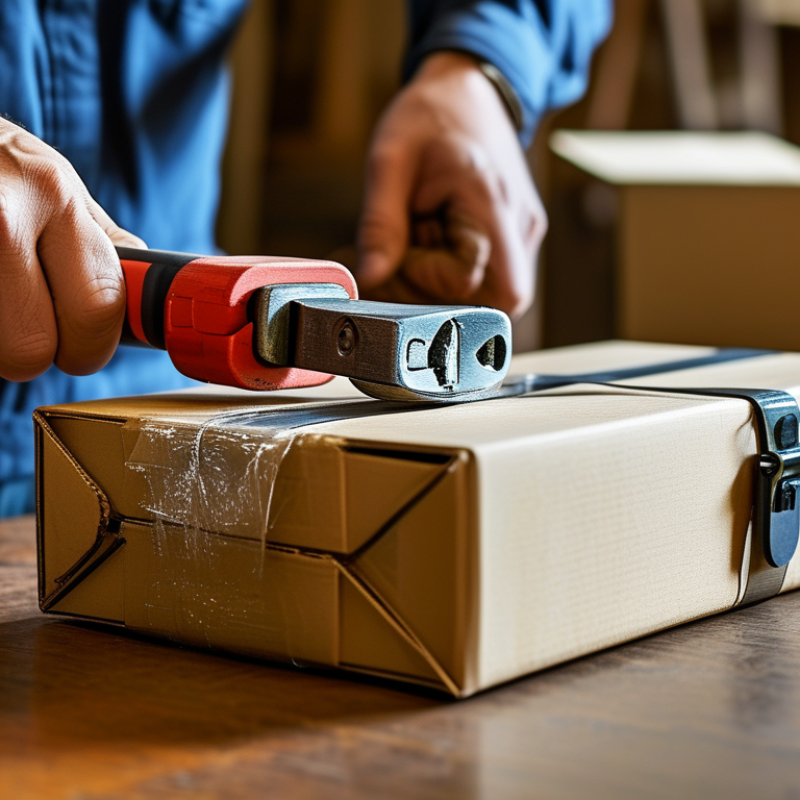
Strapping pliers are hand tools designed to control, tighten, cut, or seal packaging straps, depending on their construction. Their role is simple but important: they help keep a load stable during handling and transport. A well-fitted tool grips the strap firmly without crushing it. Small jaws matter. They also reduce hand strain during repeated packing tasks.
When using strapping pliers, I check the strap’s position before applying force. It should sit flat against the carton or pallet, not twist around an edge. I pull the strap tight, then use the pliers to hold or secure it according to the tool design. Excessive pressure can damage plastic straps or deform metal ones. The correct tension is firm, not extreme. A strap that cuts into cardboard may look secure, but it can weaken the package.
Reliable packing also depends on inspection. I examine the plier jaws for wear, oil, or trapped fragments before work begins. A slippery grip can cause uneven tension. I check the sealed area by pressing the strap lightly and looking for gaps. This step takes seconds. It prevents careless assumptions. I have found that perfect tension is difficult to judge by feel alone, especially with unfamiliar materials. Testing one sample package first is a practical habit. When the strap type, load shape, or storage conditions change, the setting may need adjustment.
Choosing the right strapping, buckles, and pliers determines whether a package stays stable during handling. I usually match the strap to the load before touching the tools. Polypropylene strapping suits light cartons and compressible products. Polyester strapping offers better tension retention for heavier boxes and palletized goods. Steel strapping supports demanding loads, but it requires compatible buckles and careful handling.
Fit matters. The strap width must match the plier jaws and buckle opening. A loose buckle can slide, while an oversized strap may not seat correctly. Thread the strap through the buckle, pull it firmly around the package, and leave no sharp twists.
Position the pliers close to the buckle. Squeeze evenly until the strap grips without crushing the carton. Excessive tension can damage corners or deform fragile contents.
I check the seal by pulling the strap gently after tightening. It should remain firm without cutting into the packaging. My early mistake was choosing pliers by appearance instead of compatibility. That caused uneven seals and wasted material. Now I inspect the jaws, pivot, and cutting edge before each job. Keep hands clear of the strap path. Test a sample package when the load, strap type, or buckle changes. Even experienced packers can miss small fit problems.
Before using strapping pliers, prepare the package as carefully as the strap itself. Place the carton on a level surface and check every seam. Remove loose tape, crushed corners, and protruding contents. The box should feel firm, not swollen. PMMI’s 2023 workforce research reported that 65% of packaging professionals viewed labor availability as a serious concern. That makes simple, repeatable preparation valuable on busy packing lines.
Center the contents and fill empty spaces with suitable cushioning. Keep the top panels flat, then apply tape or temporary closure if the design requires it. Measure the strap path around the package before cutting. It should sit against the carton without crossing sharp edges.
ASTM D3950 provides guidance for plastic strapping selection and application, while ISTA test procedures emphasize consistent package preparation before distribution testing. A secure strap cannot correct a weak box. I have sometimes tightened too early. That mistake can hide movement inside the carton.
Tips:
Use edge protectors on fragile corners. Keep the strap dry and free from dust. Check that pliers jaws contact the strap squarely. After tensioning, lift the package slightly and watch for shifting. If the carton bends noticeably, reduce tension and improve the internal support. A neat strap is not proof of a stable load. Record strap width, tension setting, and package condition for repeatable inspections. Recheck the method after transit damage; the packing process may need revision.
Using strapping pliers to tighten and secure a load requires steady pressure and careful positioning. Place the strap flat around the package, without twists or sharp folds. Keep the pliers aligned with the strap joint. Squeeze gradually until the strap feels firm against the load. Do not crush fragile cartons while tightening. A secure strap should hold the contents in place, not deform them.
Tips: Check the strap path before pulling. Keep your fingers away from the cutting area. Tighten from a stable stance. After sealing, press the load gently from several sides. If it shifts, release the strap and adjust it. Do not simply pull harder. That often hides poor placement.
In practical packing work, I inspect both the strap tension and the package corners. Corner protectors can prevent the strap from cutting into cardboard or wrapped materials. The joint should sit on a flat surface, rather than directly over an edge. Cut away excess strap only after confirming the load remains stable. I once tightened a strap too quickly and damaged a carton corner. The load stayed secure, but the packaging looked careless. That mistake changed my routine. Now I pause, check the tension by hand, and examine the strap for stretching, fraying, or uneven pressure. Different materials respond differently, so the tightest setting is not always the safest setting.
When using strapping pliers, tension should secure the package without crushing its edges. I place the strap across a firm, flat surface before pulling. Then I tighten it gradually and watch the carton walls. A slight impression is acceptable. Deep cuts signal excessive force. Stop there.
I check the strap by pressing it with one finger. It should feel firm, but not dangerously rigid. If the package shifts when gently rocked, I add tension or reposition the strap. Loose corners often reveal uneven pressure. I once tightened a carton too quickly and damaged its contents, so I now inspect the load before pulling harder. That small pause matters.
After tension feels consistent, I use the pliers to secure and trim the strap according to the tool’s design. I keep my hands clear of the closing area and wear suitable eye protection when cutting rigid material. The cut end should not project sharply from the package. I fold or cover exposed edges when practical. Finally, I run my hand near, not directly across, the finished strap and check every corner. Nothing should scrape, snag, or loosen under light handling. It is tempting to trust a tight appearance, but appearance can mislead. Heavy items may settle after strapping, especially on uneven floors. A second inspection after a short pause is often worthwhile.
They help tighten, hold, cut, or seal packaging straps around cartons and pallets. Their main purpose is load stability.
Keep it flat against the package, without twists or sharp folds. Avoid placing it across corners or loose edges.
It should feel firm without crushing the carton. Excessive tension can damage plastic straps, metal straps, or cardboard corners.
Inspect the jaws for wear, oil, and trapped fragments. Make sure the grip contacts the strap squarely.
Place it on a level surface and check the seams. Remove loose tape, crushed corners, and contents that protrude.
They reduce cutting pressure on fragile carton edges. They also help distribute tension across the package surface.
Press the package gently from several sides and watch for movement. Lift it slightly when safe and check for shifting.
Reduce the tension and improve internal support. Pulling harder may hide a weak box instead of fixing it.
Cut it only after checking the seal, tension, and package stability. Keep your fingers away from the cutting area.
Not always. Different strap materials and load shapes need different settings. I still sometimes tighten too quickly, so I now pause and inspect the corners.
Strapping Pliers are practical tools for creating a firm, reliable hold when preparing packages for storage or transport. The process begins by choosing a strap, buckle, and pliers that match the package’s size, weight, and surface. Before applying the strap, arrange the contents evenly, remove unnecessary gaps, and make sure the package is stable. A clean, balanced load helps prevent shifting and allows the strap to work effectively without damaging the contents or packaging material.
To secure the load, wrap the strap around the package and position the buckle correctly. Use the Strapping Pliers to pull the strap tight in a controlled manner, applying enough tension to hold everything firmly without crushing corners or weakening the package. After tightening, inspect the strap for twists, loose sections, or uneven pressure. Check that the buckle is properly engaged, trim or fold away excess material safely, and give the finished package a final stability check before handling or moving it.

Handpack