Engineered for extreme strapping loads, structural bundling stability, and high-tensile material safety across demanding industrial packaging lanes.
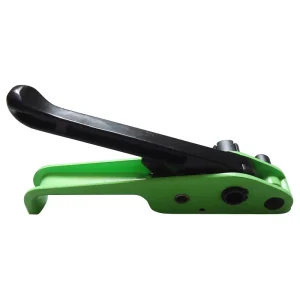
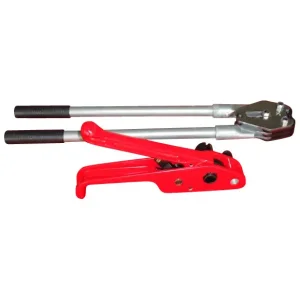
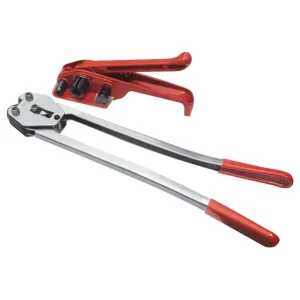
Global cargo security is facing unprecedented regulatory and logisitical changes. In the heavy metal, construction materials, paper manufacturing, and heavy forestry sectors, traditional high-tensile steel strapping has faced strict challenges. The transition to high-strength Polyester (PET) strapping and flexible woven fiber cord straps is growing rapidly. This change is driven by environmental goals, safety requirements, and cost-reduction efforts.
Unlike steel, which can deform plastically and snap dangerously during sudden transit shifts, modern PET strapping has an "elastic memory." This characteristic allows the strap to stretch under dynamic loads and snap back to its original state, keeping the load tightly bound. By transitioning from steel banding to PET, heavy manufacturers reduce shipping weight, prevent corrosion staining, protect staff from sharp edges, and cut material acquisition costs by up to 40%.
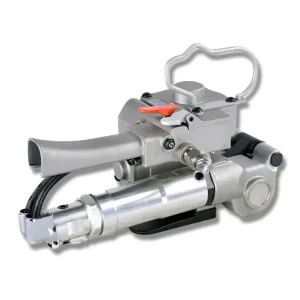
To support this material transition, manufacturing facilities need reliable tools. Modern pneumatic tools (delivering up to 8000N of pulling force) and high-energy-storage battery strapping machines are replacing stationary, semi-automatic packing systems. This shift provides packaging teams with high portability, allowing them to secure loads directly on trailers, warehouse racks, or remote shipping docks.
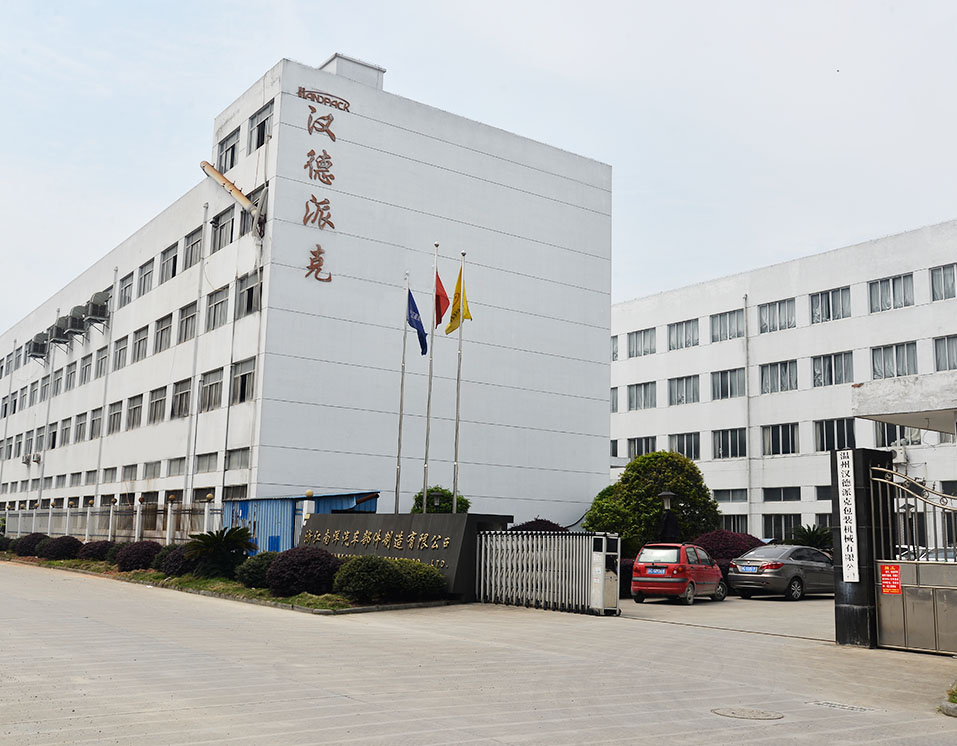
Leading China's handheld packaging machine manufacturing industry with ISO9001 quality compliance and precision CNC tooling.
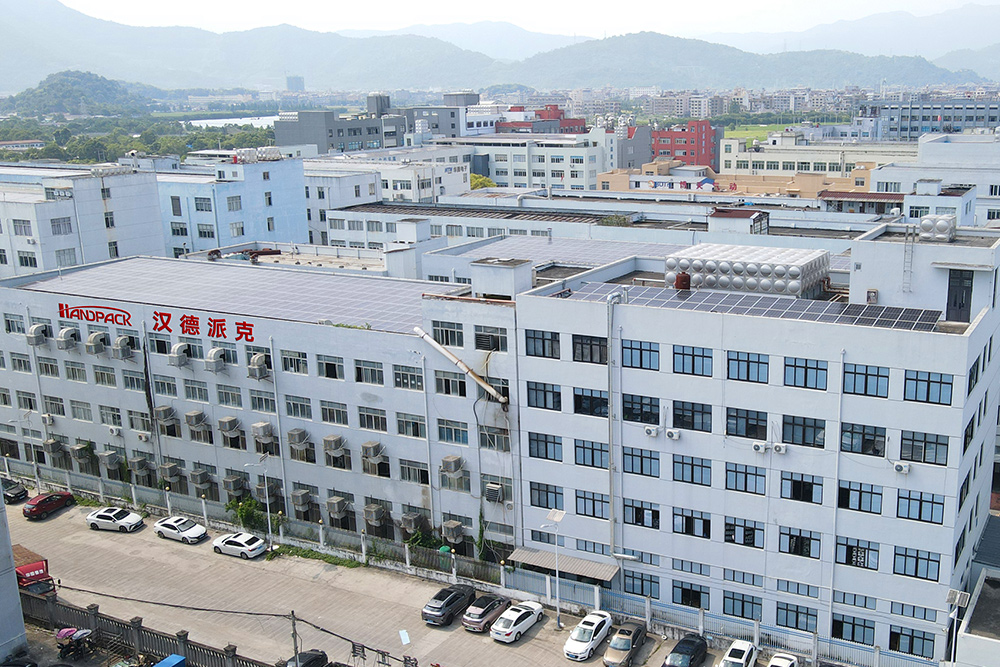
Established on March 14, 2008, Wenzhou Handpack Machinery Co., Ltd. has grown to become one of China's largest specialized manufacturers of handheld strapping machinery. Located in Tiancheng Industrial Park, Yueqing City, Wenzhou, the company's factory spans a modern 12,535 square meters. This strategic location near Wenzhou Port and major rail links ensures efficient shipping routes to international sea hubs and global cargo routes.
Our core manufacturing program focuses on the design, engineering, and mass production of manual, pneumatic, and battery-powered handheld tools. These tools are engineered to handle high-tensile PET, PP, and structural steel strapping. By using CNC production machinery, adopting international quality management systems, and complying with the European CE machinery directive, Handpack delivers robust industrial tools built for heavy manufacturing environments.
Helping enterprises take off with every bit of strength by providing secure packaging tools.
Honesty forever, trust in the future. Building long-term partnerships with global distributors.
Pursue value, create value, realize value. Driving down product assembly and logistics costs.
Innovation, Integrity, Pragmatism and Efficiency in production and technical services.
Detailed technical specifications for procurement managers evaluating tool types for industrial operations.
| Tool Category / Series | Applicable Strapping Materials | Tension Range (N) | Seal / Joint Efficiency | Power Source / Mechanism | Best Application Scenarios |
|---|---|---|---|---|---|
| Pneumatic Series (e.g. XW50) | PET, PP, Heavy Fiber Cord | Up to 8,000 N | Friction Welding ≥ 85% | Pneumatic Air Pressure (5-7 Bar) | Continuous production, heavy aluminum coils, brick kilns |
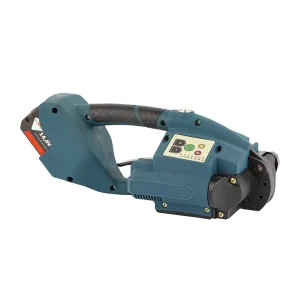
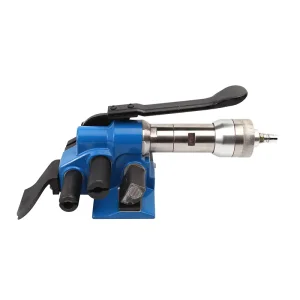
| Battery-Powered (e.g. DD160T/190T) | Polyester (PET), Polypropylene (PP) | 600 N - 4,000 N | Sealless Friction Weld (80-85%) | 18V Li-Ion Battery (4.0 Ah) | Logistics hubs, ports, outdoor wood yards, dynamic warehouses |
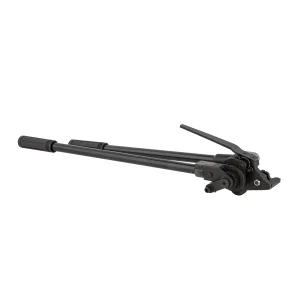
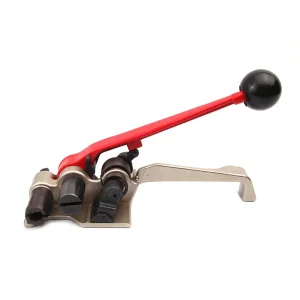
| Manual Steel Tensioners (e.g. SKL-32B) | High-Tensile Steel Strapping | Manual Leverage Limit | Steel Seal Joint (Requires Sealer) | Manual Ratchet / Feedwheel | Heavy steel pipes, heavy machinery exports, structural concrete |
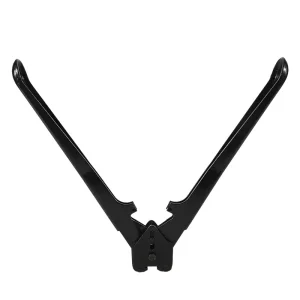
| Buckle-Free Steel Tools (e.g. SG192) | Standard and High-Tensile Steel | Manual Leverage Limit | Sealless Punch Joint (approx. 75%) | Triple-notch mechanical interlocking | Flat packages, metallic crates, raw structural steel sheets |
| Manual Fiber Cord Kits (e.g. SD25) | Woven Polyester / Fiber Cord | Manual Leverage Limit | Wire Buckle Joint (approx. 90%) | Manual Ratchet & Cutter | Glass shipping, flatbed machinery tie-down, heavy chemical drums |
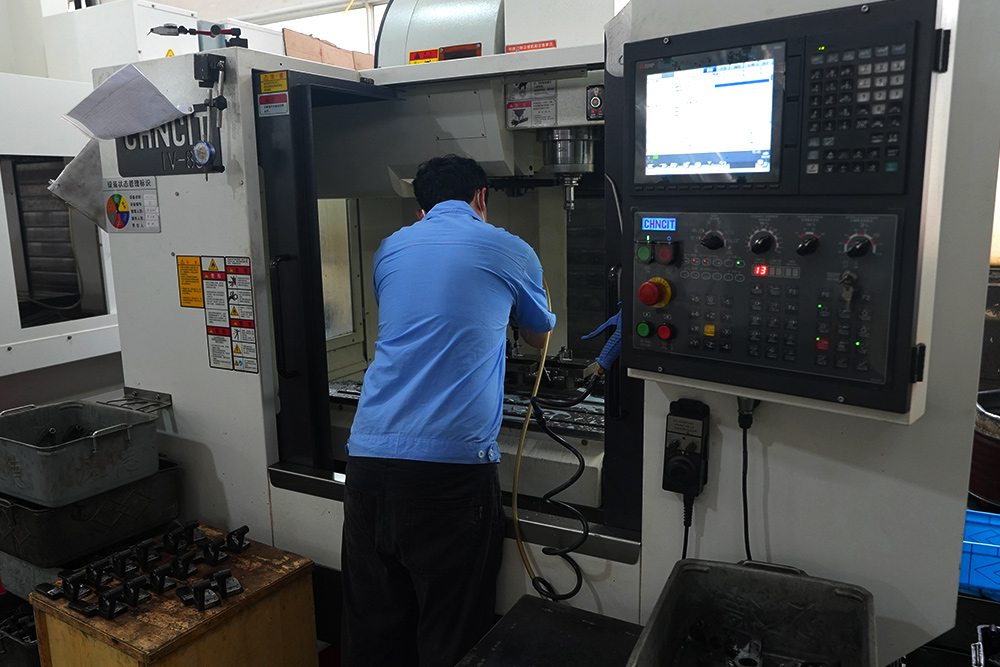
Critical load-bearing gears, feedwheels, and cutting blades are machined using high-precision CNC processes to ensure consistent operation and low wear rates.
Our battery-powered tools utilize an electronically controlled motor to generate rapid friction. This process heats and melts the plastic strap to create a high-strength, seal-less joint.
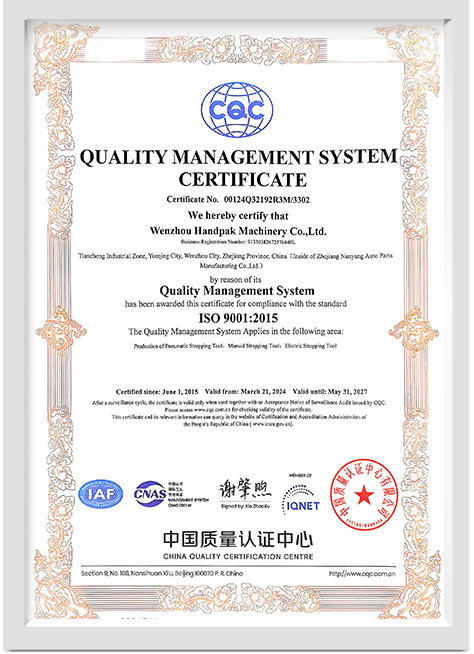
Handpack structures production around ISO9001 and CE frameworks. Every handheld tensioner and sealer undergoes dynamic load limit testing before dispatch.
How Handpack packaging machinery secures raw materials and finished products across diverse industrial sectors.
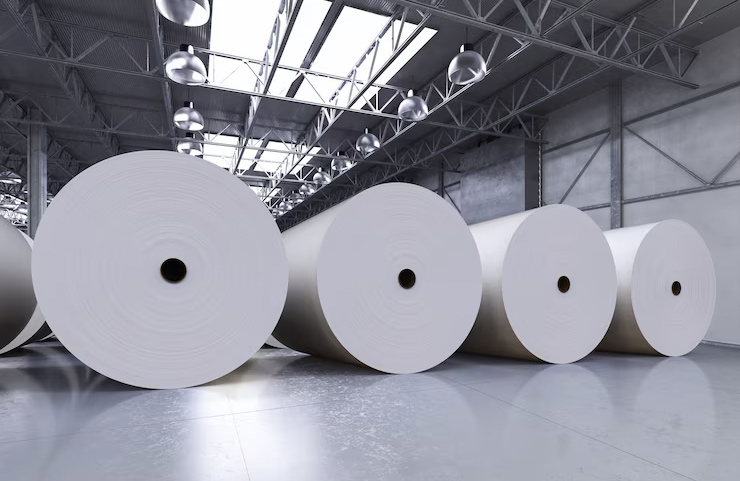
Our handheld tools secure finished paper rolls, heavy cardboard boxes, and processed waste pulp. The consistent tension limits prevent slippage while protecting the outer layers of paper from damage.
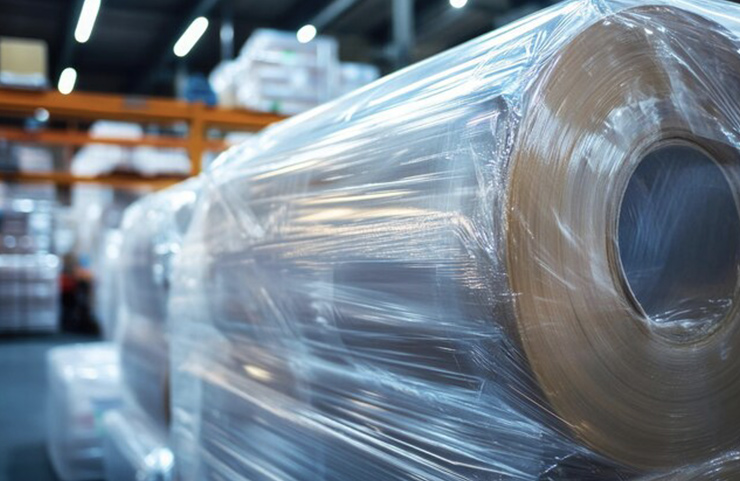
Designed to secure heavy, high-value aluminum coils, profiles, and ingots. In these environments, pneumatic tools are used to ensure stable tension despite temperature fluctuations and heavy vibration during transport.
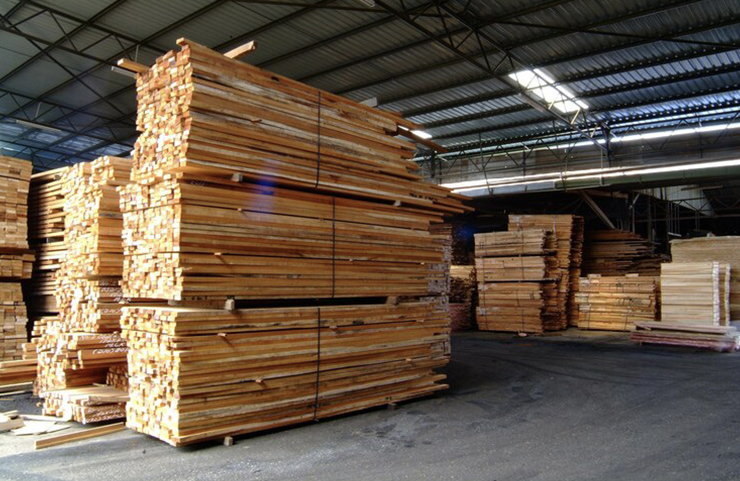
Ensures tight bundling for logs, treated boards, pallets, and building timber. High strap tension is critical in this sector to maintain load integrity as wood moisture content drops and bundles shrink slightly.
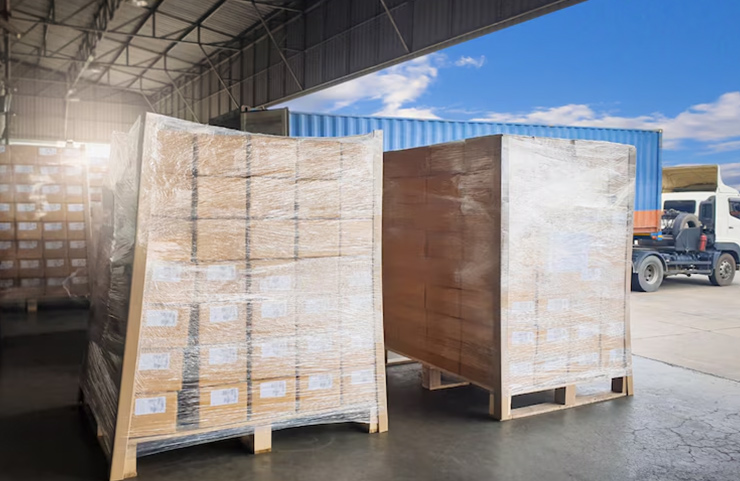
Provides additional reinforcement for export crates and heavy wooden boxes. Strapping helps distribute internal stress, reducing the risk of splitting wood or structural damage during crane loading.
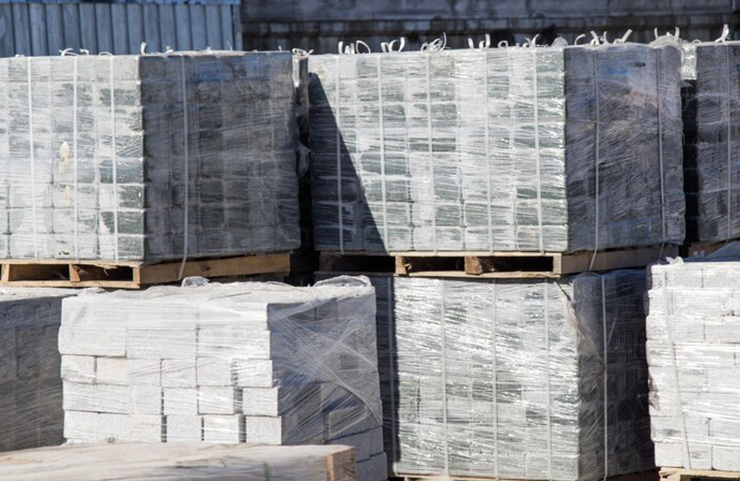
Secures granite, quartz, bricks, and concrete tiles. Handpack tools use high-tensile straps to prevent heavy masonry from shifting and cracking during transit.
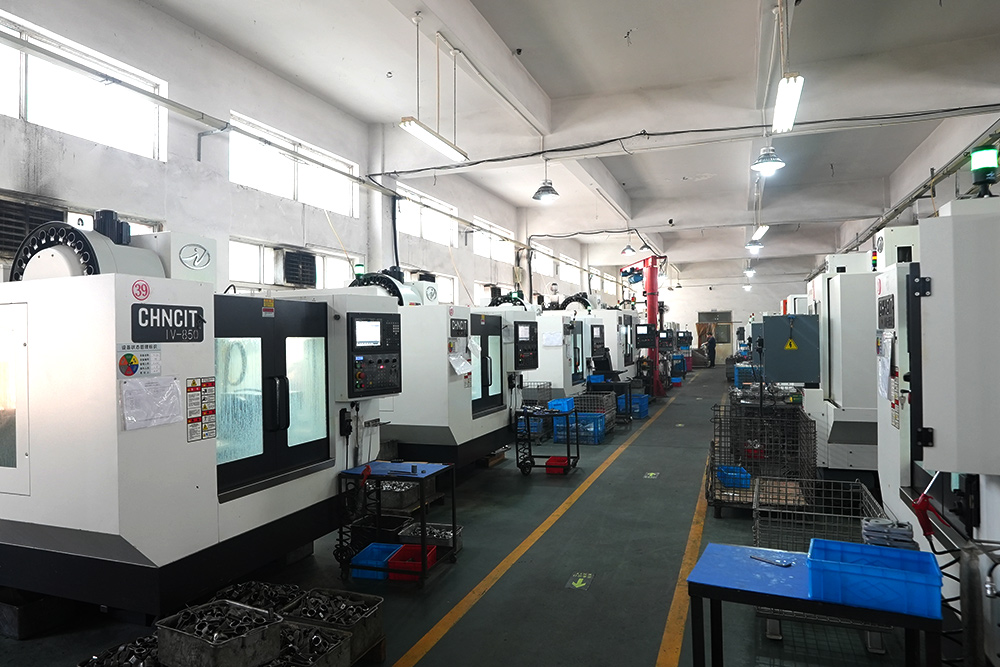
Wenzhou Handpack Machinery Co., Ltd. operates advanced production and quality testing facilities. Our production line features high-precision CNC machinery that ensures tight tolerances on key internal components, such as air cylinders, tension feedwheels, and heating element assemblies.
We prioritize every aspect of our manufacturing process. From raw metal feedstock inspection to final tool assembly, every step is monitored to maintain performance consistency. Our testing processes include multi-cycle drop tests, thermal camera inspections of friction-welded joints, and continuous pressure testing of pneumatic valves.
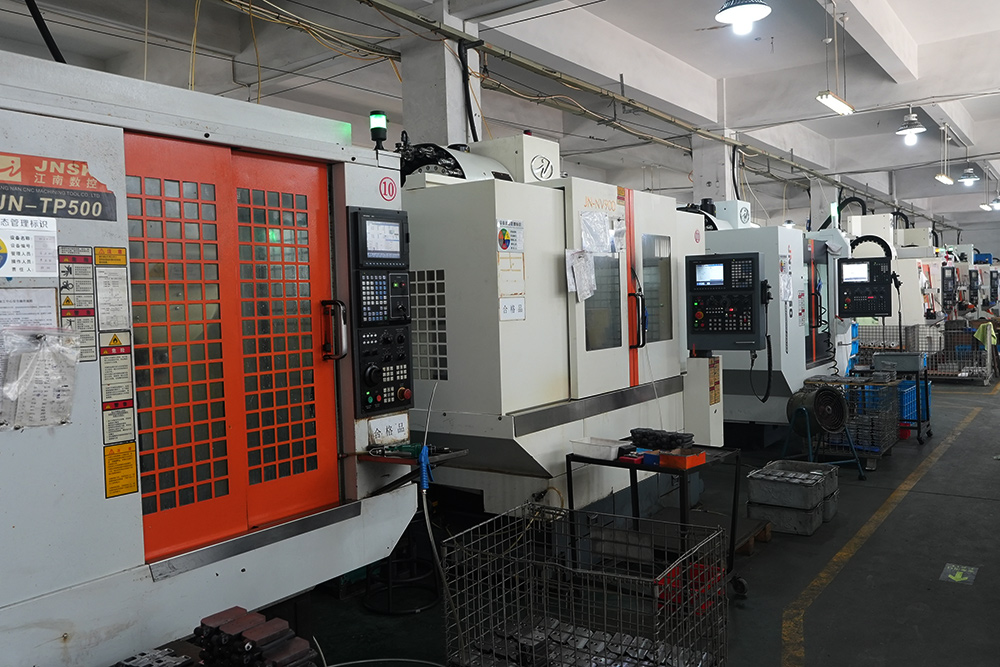
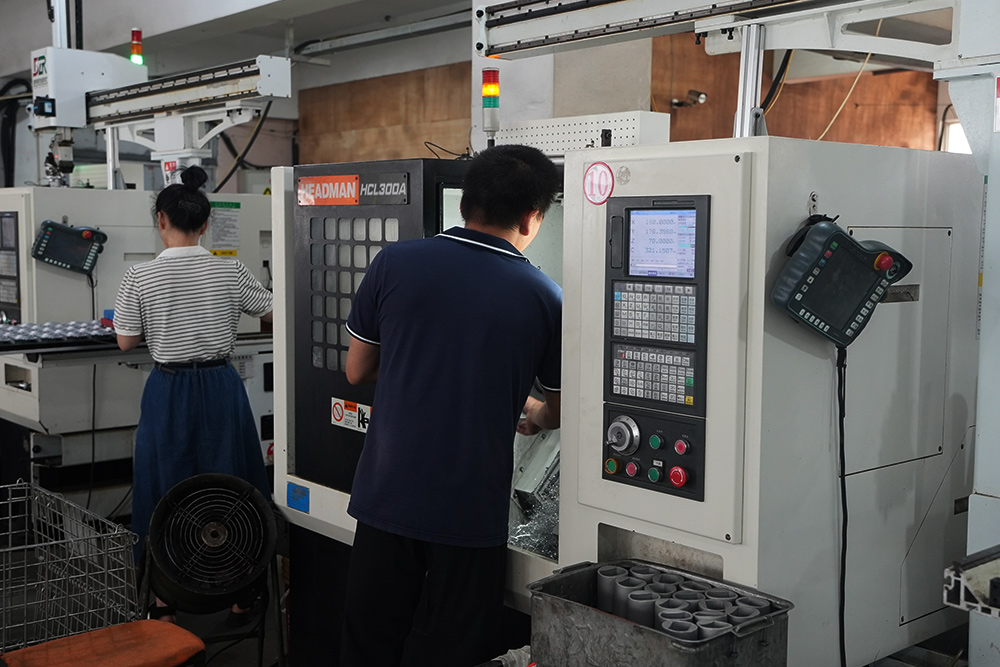
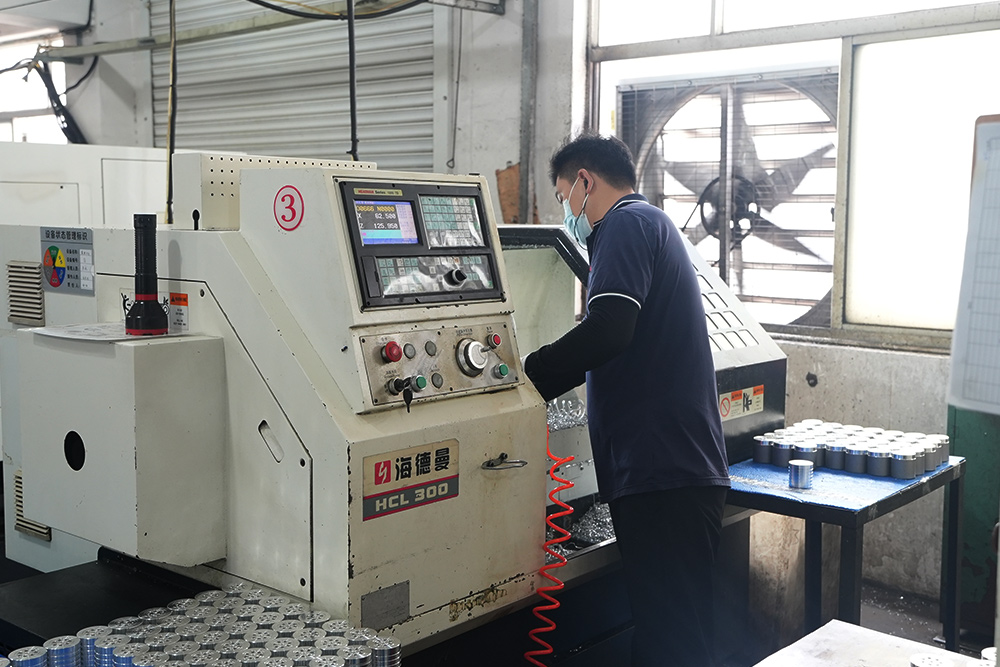
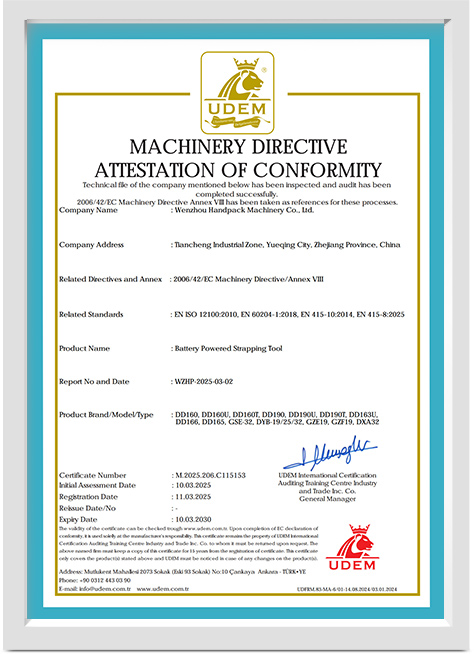
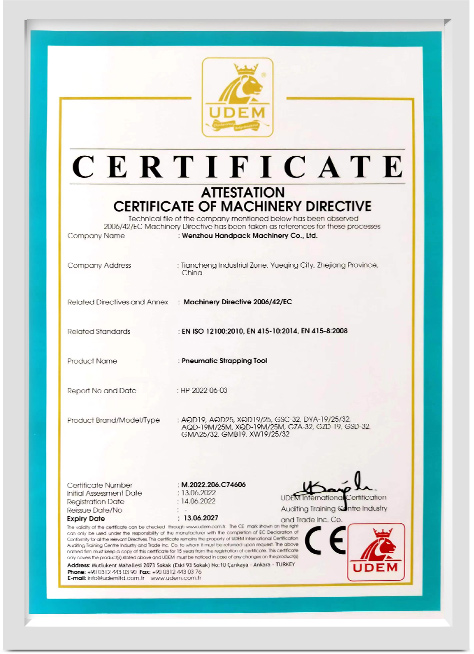
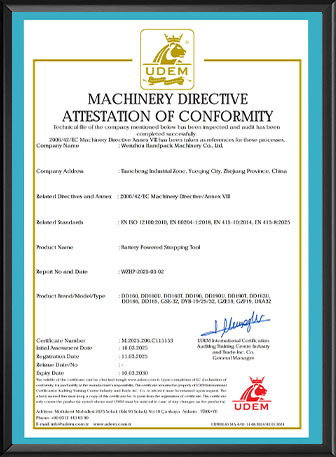
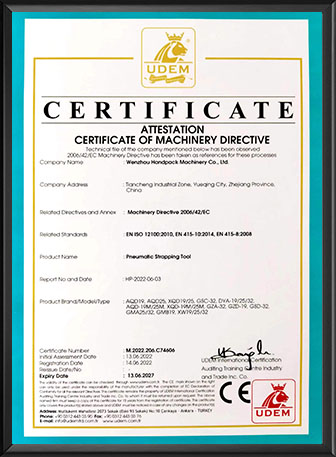
Our tools carry certifications that reflect our commitment to international safety and quality standards.
A detailed guide on tension optimization, joint efficiency, and strapping material behavior under stress.
In heavy-duty packaging operations, selecting the correct strapping tool depends on understanding tension dynamics, mechanical joints, and material behavior under stress. The primary goal of any strapping setup is to retain tension over time, resisting joint failures during transit. To achieve this, engineers evaluate strap tension recovery and the efficiency of the strap joint.
Modern battery strapping tools (like the DD160T/DD190T and DD163U series) eliminate the need for metal seals. Instead, they use high-speed oscillation to generate friction, heating and melting the overlapping plastic straps. This friction welding process joins the material at the molecular level.
To ensure joint strength, the tool must apply the correct pressure during the cooling phase. Handpack tools use a preset cooling timer that holds the joint under pressure until the plastic solidifies. This process yields a joint efficiency of 80% to 85% of the strap's tensile strength, reducing seal costs and the risk of joint slippage associated with manual steel crimping.
When securing materials that settle or shrink, such as timber and paper, maintaining strap tension is critical. While steel strapping is rigid, it lacks elastic memory. If a bundle of wood shrinks due to moisture loss during transport, steel banding can become loose. This increases the risk of the load shifting.
High-tensile Polyester (PET) strapping maintains tension better under these conditions. The material behaves like a heavy spring, absorbing impacts and stretching under dynamic loads before returning to its original tension. Our tools are calibrated to apply consistent tension forces up to 8000N, ensuring loads remain secure even under challenging transport conditions.
Choosing between pneumatic and battery-powered tools depends on the layout of your packaging lines:
Key regulatory factors, CE compliance, and carbon footprint reduction strategies for modern packaging departments.
Procuring industrial strapping tools requires careful attention to safety and regulatory standards. In the EU and North America, machinery must comply with CE Directives (such as the Machinery Directive 2006/42/EC) to ensure operator safety. Handpack tools are certified for compliance with these directives, featuring safety interlocks and emergency stop mechanisms that minimize the risk of operator injury.
Sustainability is also a growing priority for global supply chains. Transitioning to PET and PP strapping helps companies reduce their environmental impact. Unlike steel, which requires energy-intensive smelting to recycle, polyester strapping can be produced from post-consumer recycled PET bottles. This reduces the carbon footprint of packaging processes. Additionally, because PET is lighter than steel, it helps lower transportation emissions, aligning logistics operations with modern corporate ESG goals.
Expert answers to common engineering, troubleshooting, and procurement questions regarding handheld packaging machinery.
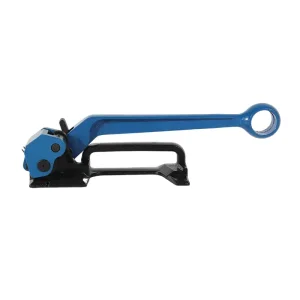
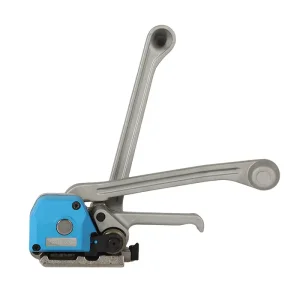
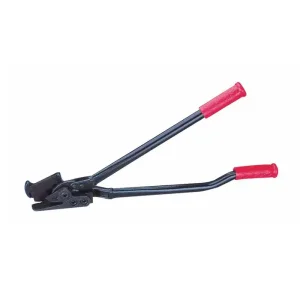
Our complete selection of high-tensile steel cutters, buckle-free manual tools, and fiber cord tensioners for industrial packaging lanes.
 Handpack