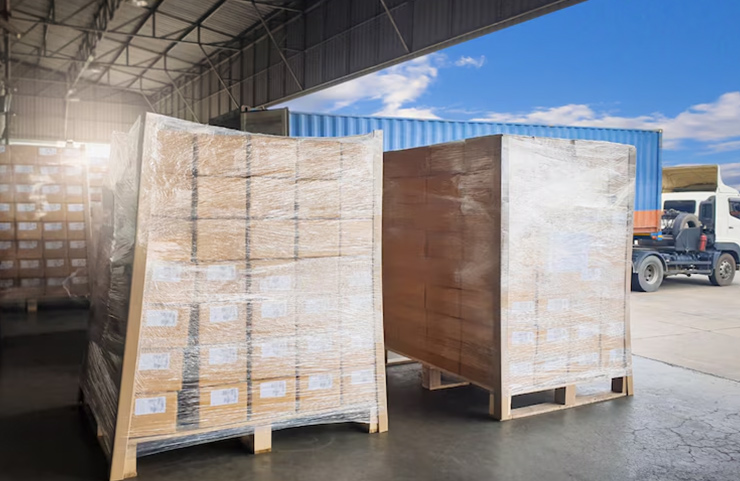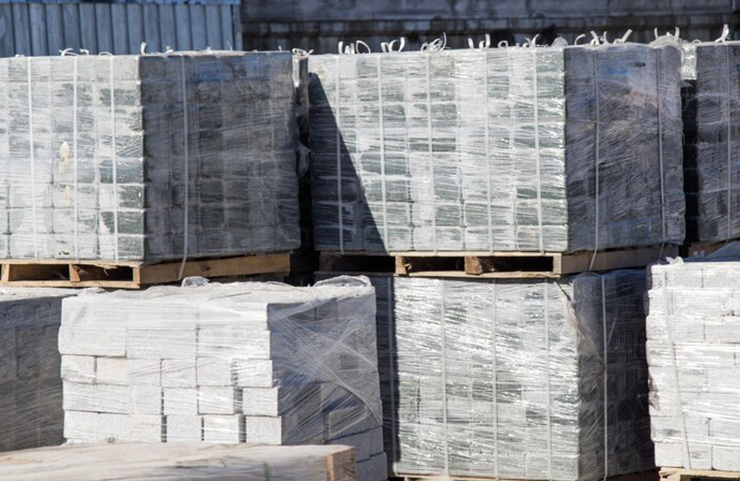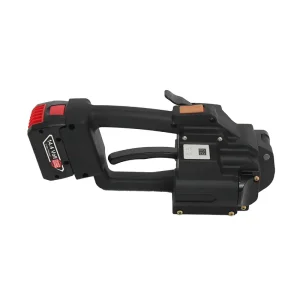
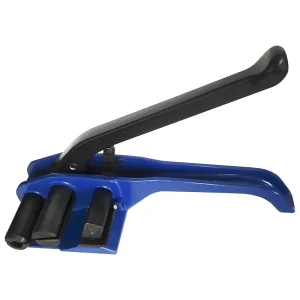
In modern global manufacturing and shipping ecosystems, cargo containment is not merely an afterthought; it is a critical variable in transit safety, operational integrity, and cost minimization. A packing tensioner represents a core mechanism in this domain, converting mechanical, pneumatic, or electrical energy into a high-tensile containment force. By tightening the strapping materials—whether steel, polypropylene (PP), polyethylene terephthalate (PET), or high-tensile fiber cord—the tensioner guarantees that bulk products, heavy machinery, and raw raw materials remain stable during extreme kinetic movements.
For supply chain directors, choosing verified China Packing Tensioner Manufacturers requires a profound understanding of gear design, motor heat dissipation, material science, and mechanical joint efficiency. This technical documentation analyzes how Chinese manufacturers, specifically Wenzhou Handpack Machinery Co., Ltd., utilize advanced CAD/CAM processes, CNC centers, and automated manufacturing protocols to deliver high-performance, CE-certified strapping systems designed for global distribution pipelines.
Pre-Tension Integrity: Eliminates slack, preventing internal movement and friction wear.
Load Balancing: Distributes compressive force uniformly across complex geometries.
Safety Integration: Designed to minimize recoil hazards and ergonomic fatigue during high-volume shifts.
Packaging machinery continues to adapt to digital transformation and automation. The evolution of tensioners is classified across three major mechanical architectures, leading towards IoT integration.
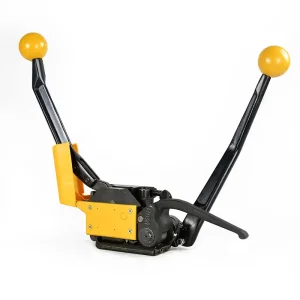
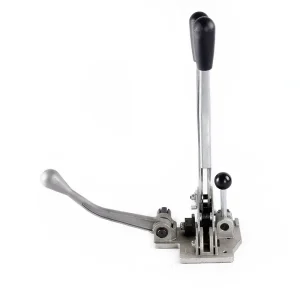
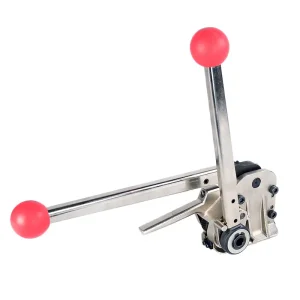
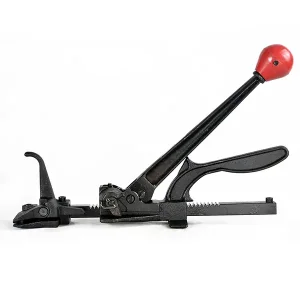
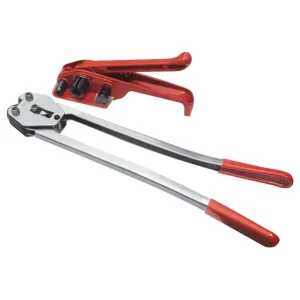
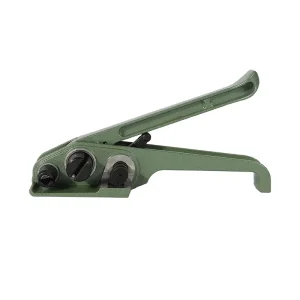
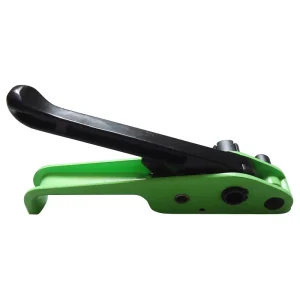
Manual tensioners (e.g., SD500, SD251, SKL-32/19) rely on mechanical leverage and heavy-duty ratchets. High-quality designs employ high-grade carbon steel structures and double-gear gripping feet to minimize slip on fiber cord, woven webbing, or metal strapping. Ideal for low to mid-volume workflows and remote staging yards where power and pneumatic access are restricted.
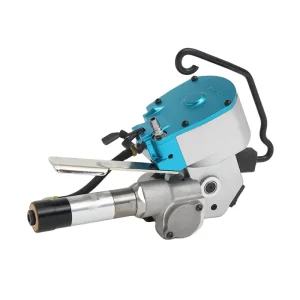
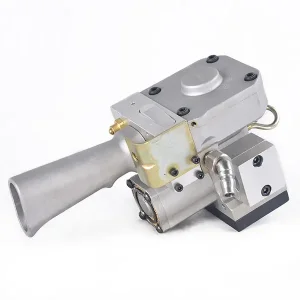
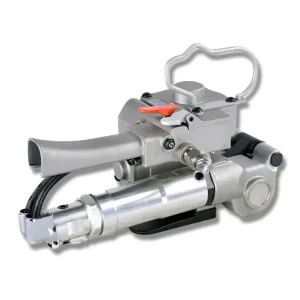
Utilizing compressed air (commonly 0.5–0.8 MPa), pneumatic tools (like the GM19 or RJ193) combine high-tension pull with friction welding or mechanical notch sealing. They deliver highly consistent tension levels and rapid operational cycles, making them the industry standard for steel processing plants, heavy packaging lines, and aluminum profile shipping yards.
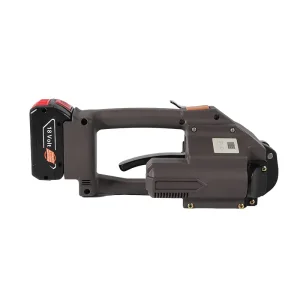
The frontier of tensioning tools is represented by high-performance lithium battery systems (e.g., DD163U, DD190U). Brushless motor technology ensures continuous torque without mechanical wear. The next phase incorporates real-time tension sensors, cloud-based data logging, and Bluetooth diagnostics to monitor strap integrity and quality compliance at every step.
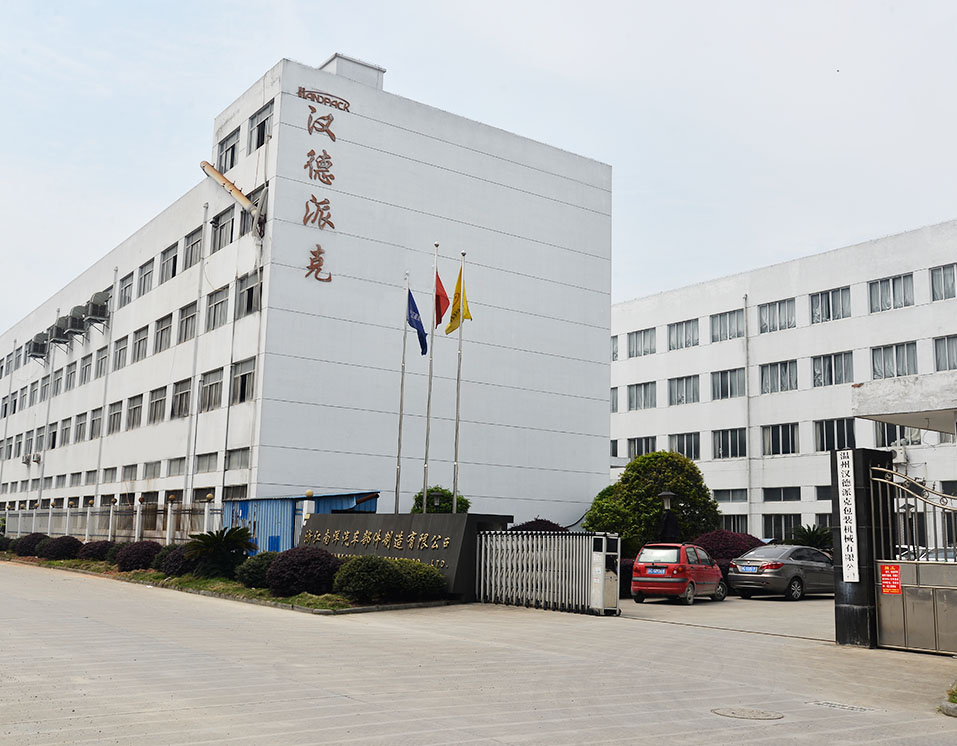
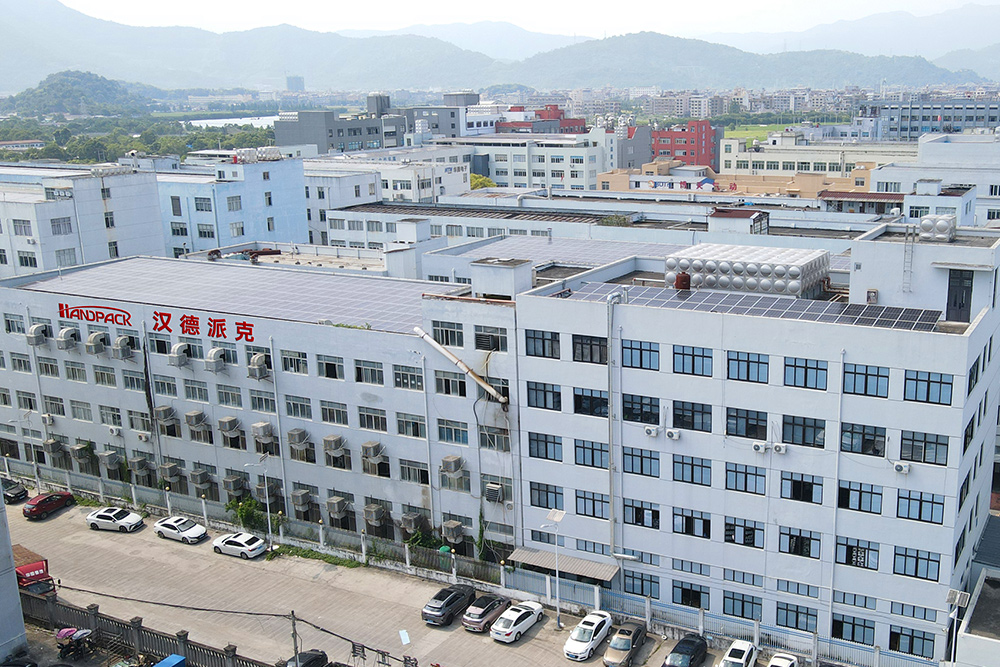
Established on March 14, 2008, with manufacturing foundations going back to 1998, Wenzhou Handpack Machinery Co., Ltd. has established itself as one of China's largest professional handheld packaging machinery manufacturers. Located in Tiancheng Industrial Park, Yueqing City, Wenzhou, the production facility covers an expansive area of 12,535 square meters.
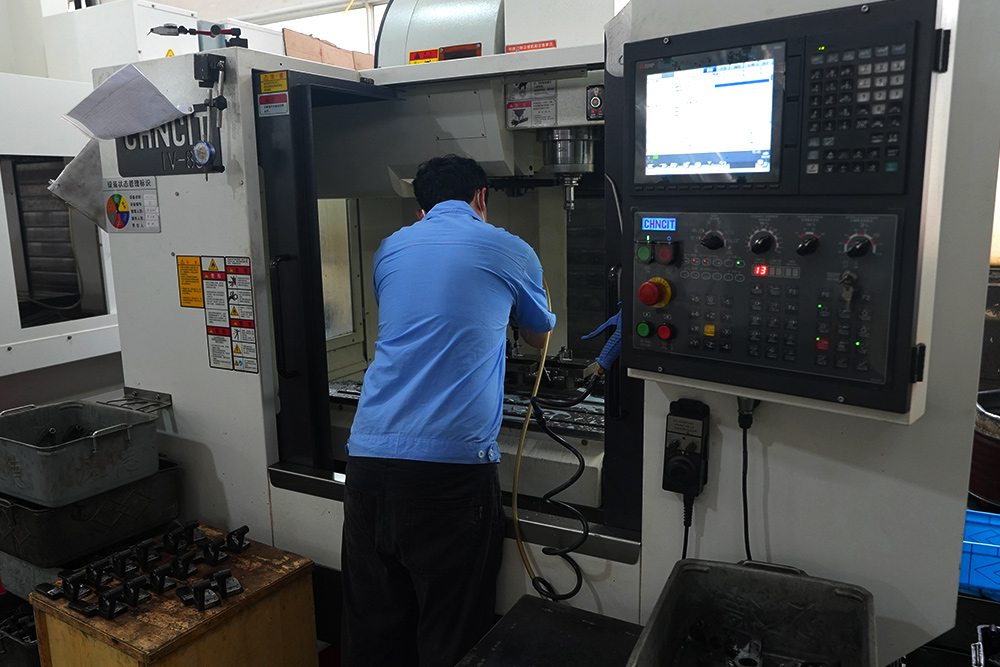
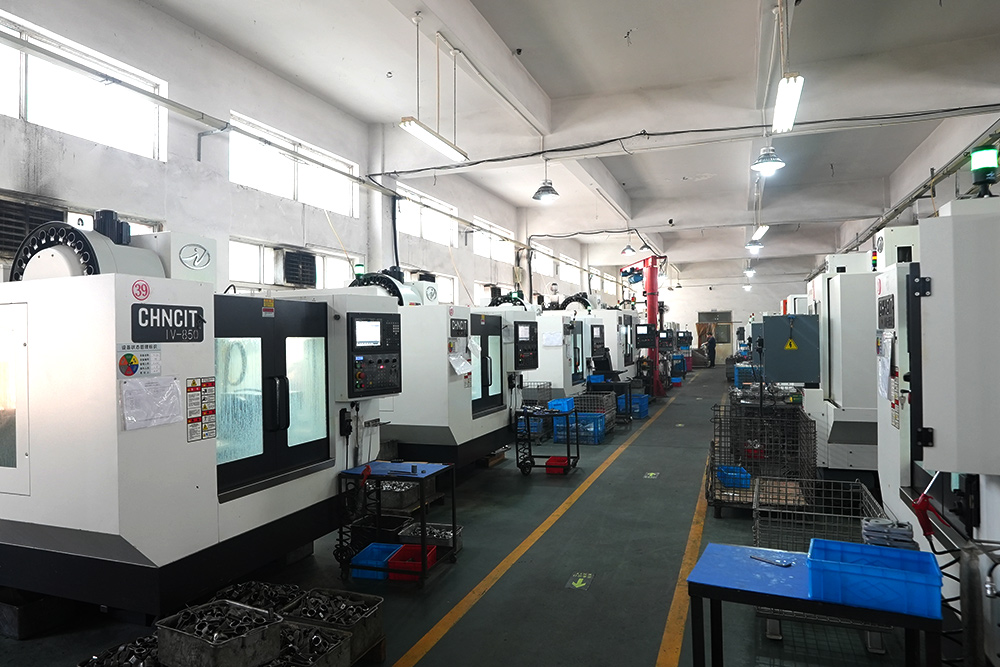
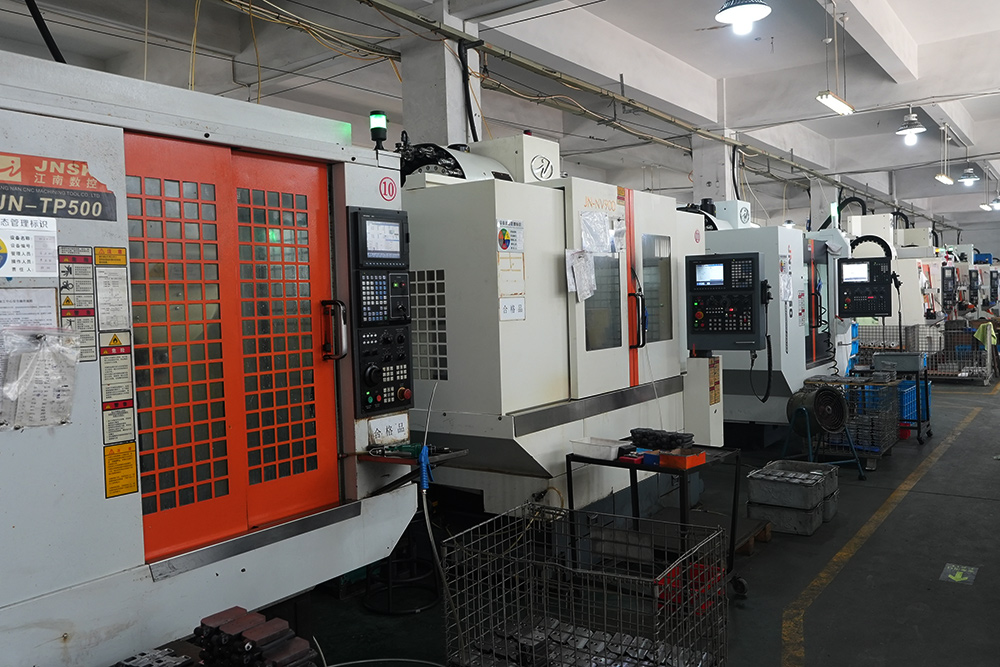
Handpack focuses exclusively on the design, production, and worldwide distribution of handheld strapping machines for PET, PP, and steel belts. By utilizing state-of-the-art CNC (computerized numerical control) machining systems, we ensure that critical wear parts—such as feedwheels, cutter blocks, and tension gears—maintain high geometric tolerances. This precision prevents strap slippage, increases tool lifespan, and ensures safe operation under high-stress conditions.
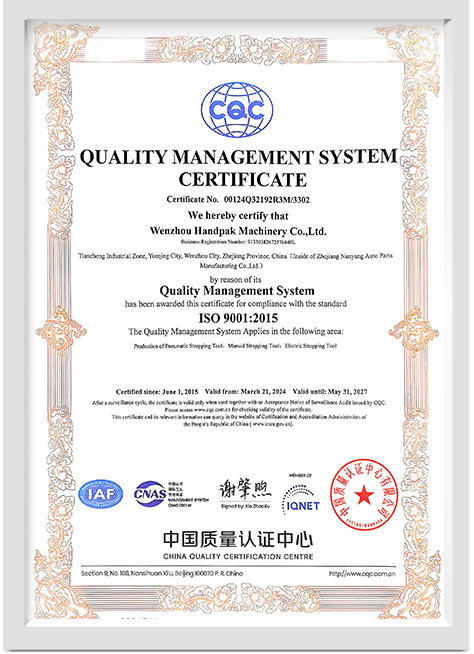
"Our operations adhere to the ISO9001 quality system. Every assembly is subjected to dynamic load tests to guarantee that tension values meet industrial guidelines before leaving our facility."
Our tensioners are deployed across diverse sectors, handling heavy, delicate, or abrasive materials with precision.
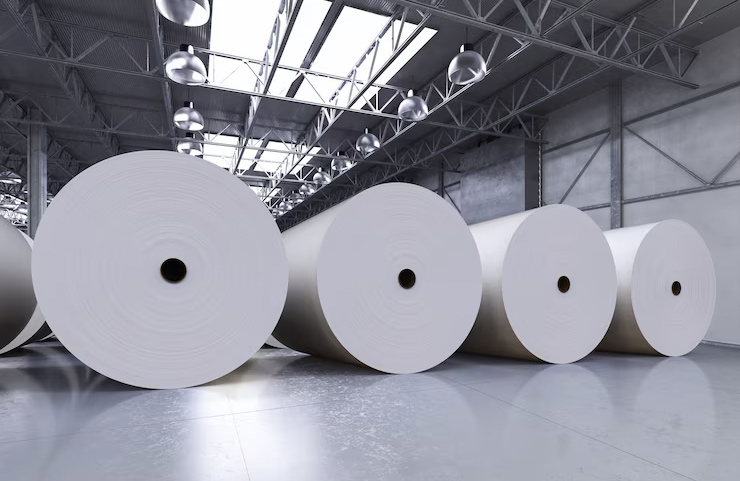
Handheld packaging machines are essential for securing finished paper rolls, box packages, and waste paper bundles for recycling. Precise tension adjustment prevents damage to the paper margins while ensuring stability.
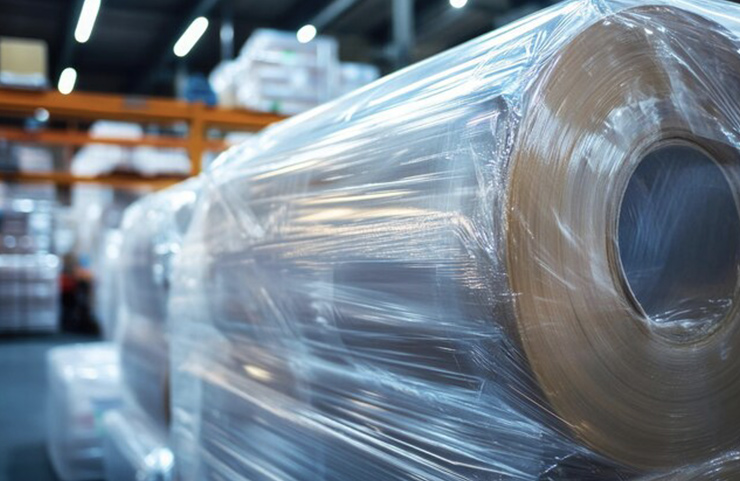
Essential for securing high-value aluminum coils, ingots, and profiles. Our pneumatic and steel strapping tools provide the high retention force required to handle heavy, rigid metals safely.
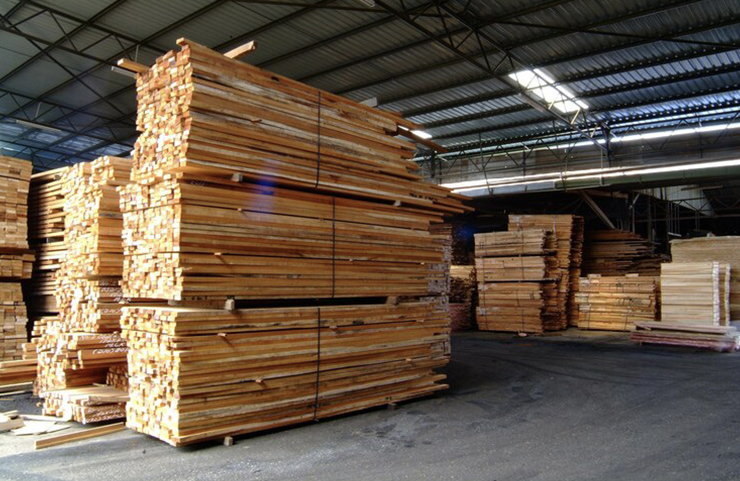
Securing timber, logs, boards, and pallets during processing and transport. Firmly bundled wood optimizes storage space, increases load speed, and prevents shift-induced warping during transit.
Our tools provide an effective reinforcement method alongside traditional nailing. By wrapping high-strength steel or plastic strapping around large crates, they prevent box failure during maritime transport.
Securing large stone slabs, marble, tombstone blocks, and heavy masonry. Replacing traditional chains with high-tensile strapping prevents surface scratches while maintaining reliable load restraint.
At Handpack, we align our engineering practices with clear core values to support our customers’ growth:
We use advanced processing technology, complete quality control systems, and testing facilities. All components are machined on CNC (computerized numerical control) equipment to ensure stable manufacturing quality.
Procurement managers prioritize structural durability over initial unit cost. Handpack structures use wear-resistant alloys that prolong the mean time between failures (MTBF), reducing long-term maintenance costs.
A tensioner is only as good as its wear parts. We support our tools with a complete inventory of tension wheels, cutting blades, and battery packs, ensuring minimal downtime for high-volume lines.
Whether matching tools to PP, PET, woven cord, or steel, our engineers adjust tensioning parameters and tooth geometries to prevent slippage or cutting during strap installation.
Worker fatigue leads to packaging inconsistencies and safety risks. Our tools feature optimized center-of-gravity placements, rubberized grips, and low-recoil release mechanisms.
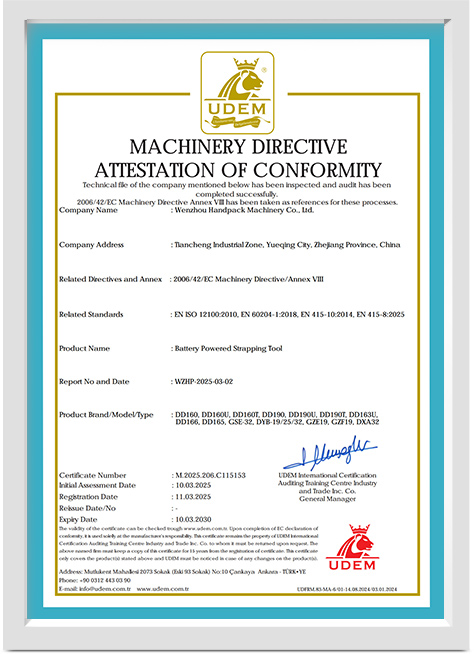
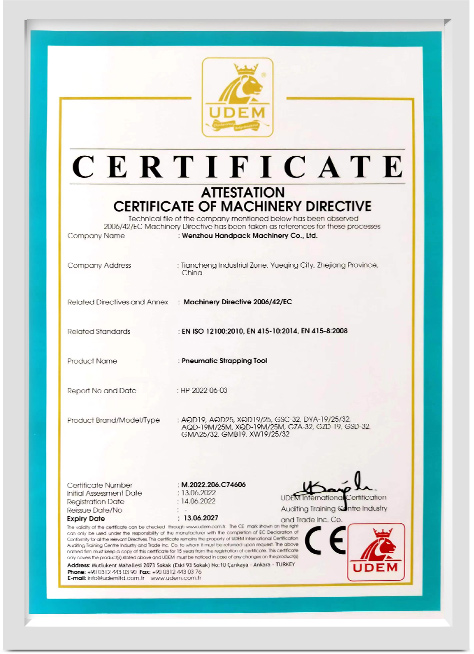
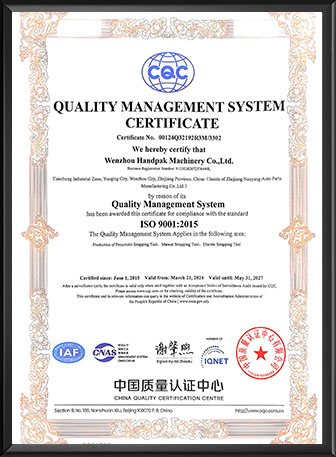
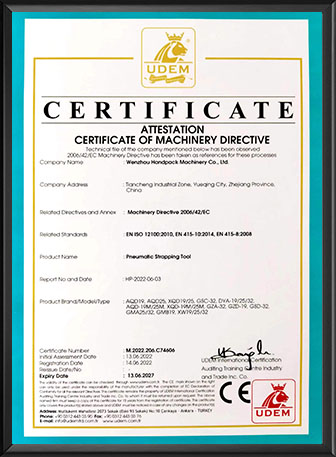
Handpack operates with full import and export rights. Our manufacturing procedures conform to the ISO9001 Quality Management System, and our tools hold CE certifications, meeting European safety and environmental standards.
Each shipment is accompanied by complete calibration records, raw material batch tracking certificates, and performance guarantees, helping buyers meet localized safety and compliance regulations.
Feedwheel tensioners utilize a serrated wheel that grips the top strap and feeds it through, while the bottom strap is held stationary. This design is highly effective for flat packages and continuous strap loops. Pusher-type tensioners, conversely, pull tension against a guide or seal pushed up against the load, which is necessary for irregular shapes, round bundles (like steel pipes or coils), and small packaging profiles where a flat surface is unavailable.
Strap selection is determined by packaging weight, surface properties, and logistics stress. PET (Polyester) offers high tension holding capability and shock absorption, making it an excellent steel alternative. PP (Polypropylene) is suited for lighter, light-duty bundling. Steel is reserved for heavy, non-compressible cargo. Joint efficiency—the ratio of joint strength to solid strap strength—varies by sealing method. Friction welding (used in the DD190U) typically yields 75-80% efficiency, buckle-free manual seals (A333) yield 70-75%, and pneumatic notch sealing achieves up to 85%.
Manual and pneumatic tools are subjected to high mechanical loads and abrasive dust in industrial settings. CNC machining centers allow Handpack to fabricate internal components—such as ratchets, eccentric shafts, and gears—to precise design tolerances. This reduces internal friction, minimizes mechanical wear, and ensures consistent performance over thousands of operational cycles.
Modern electric strapping tools like Handpack's DD163U and DD160T/DD190T utilize brushless DC motors, which generate less heat than brushed motors. Additionally, intelligent control boards regulate current draw during tensioning and sealing cycles, and battery packs include thermal sensors that prevent overloading, ensuring safe operation during multi-shift operations.
Dynamic tension loss occurs as loads settle, wood shrinks, or pallets shift. Utilizing strapping materials with high elastic recovery (such as heavy-duty PET or woven polyester cord) paired with a high-tension tool (like the SD500 or XW50 pneumatic tensioner) helps maintain strap tension over long transport routes.
 Handpack