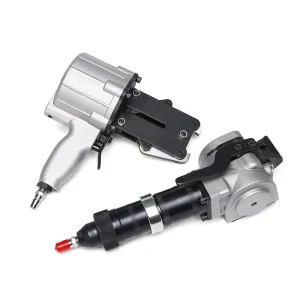
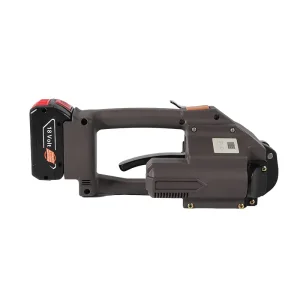
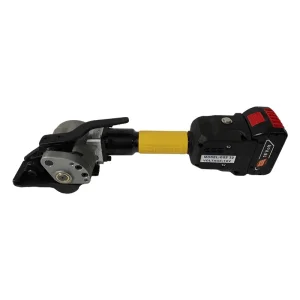
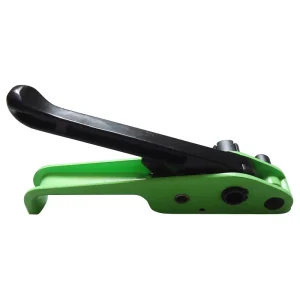
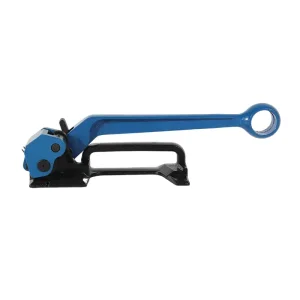
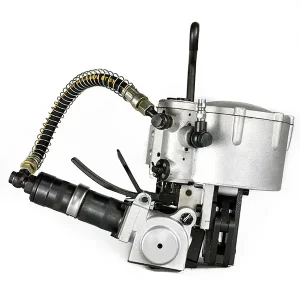
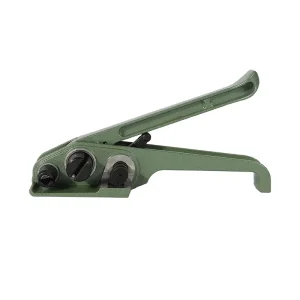
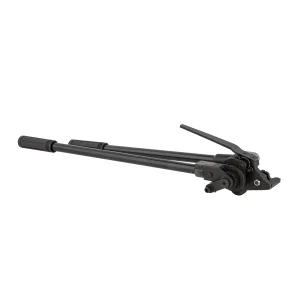
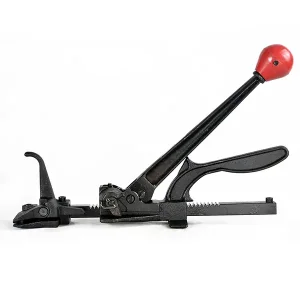
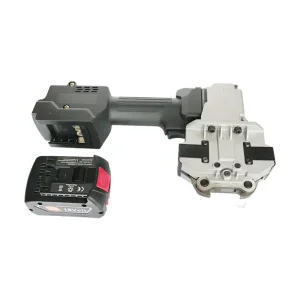
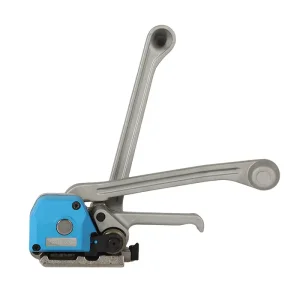
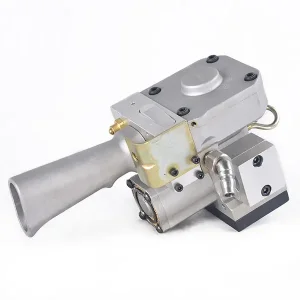
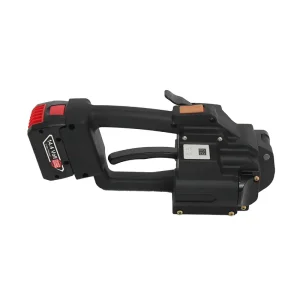
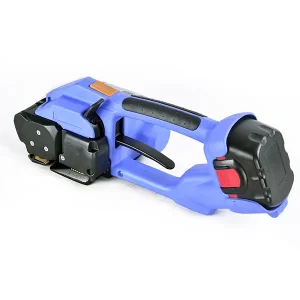
Explore our heavy-duty pneumatic, electric, and manual strapping tools engineered to maximize throughput and load stabilization.
In the modern, highly automated logistics landscape, secure pallet stabilization is no longer just a packaging step—it is a critical point of compliance, safety, and risk mitigation. For multinational manufacturing hubs, chemical processing plants, metal refineries, and high-volume packaging houses, transit-induced damage constitutes a multi-billion dollar liability. Pallet strapping systems (also known as banding systems) serve as the structural anchor that converts modular shipments into dynamic, unitized blocks capable of resisting multi-axis acceleration forces during maritime, rail, and road transit.
As a leading China Pallet Strapping System Manufacturer & Factory, Wenzhou Handpack Machinery Co., Ltd. addresses the evolving complexities of secure unit load packaging. Global logistics require tools that can dynamically adjust to material shifts, resist heavy vibrations, and ensure uniform tension distribution without compromising speed. Whether employing high-tension pneumatic steel strapping for metallurgical profiles, or digital battery-powered friction welding for elastic PET/PP straps, our systems are built to withstand rigorous industrial operational conditions while ensuring minimal downtime.
"Information Gain Advantage: Modern packaging safety relies on matching strap tension dynamics with structural elasticity. A system that over-tensions risks material rupture; under-tension guarantees unit stability failure. Handpack's CNC-machined tensioning systems provide precision control to secure heavy goods under dynamic travel conditions."
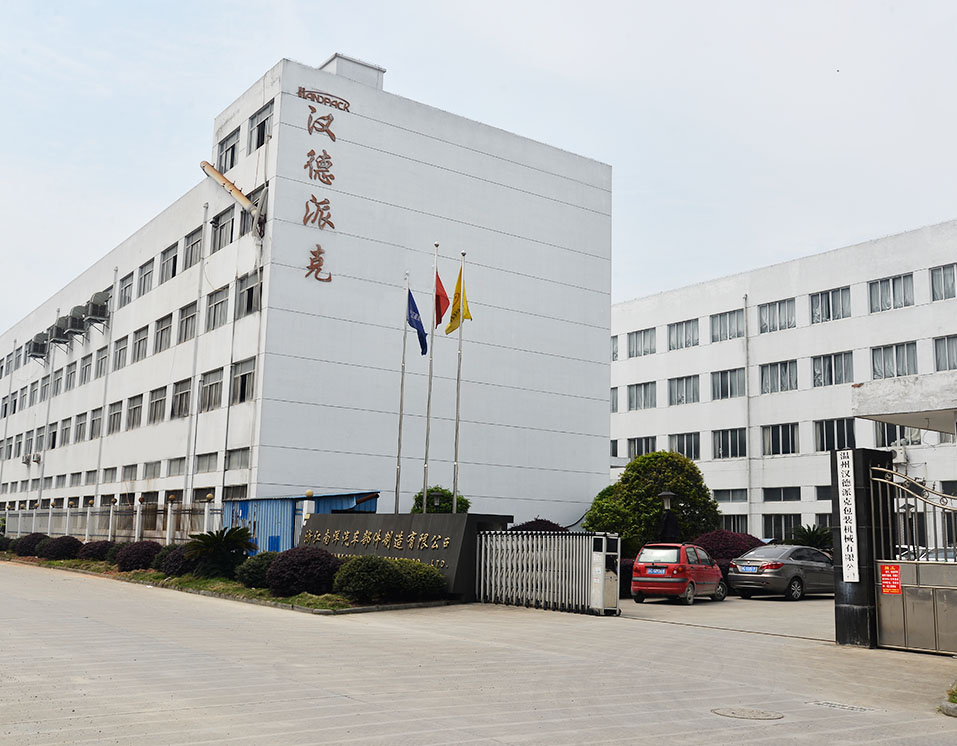
Wenzhou Handpack Machinery Co., Ltd. has established a footprint in China's industrial hardware province since our foundational roots in 1998, developing advanced handheld packaging machinery.
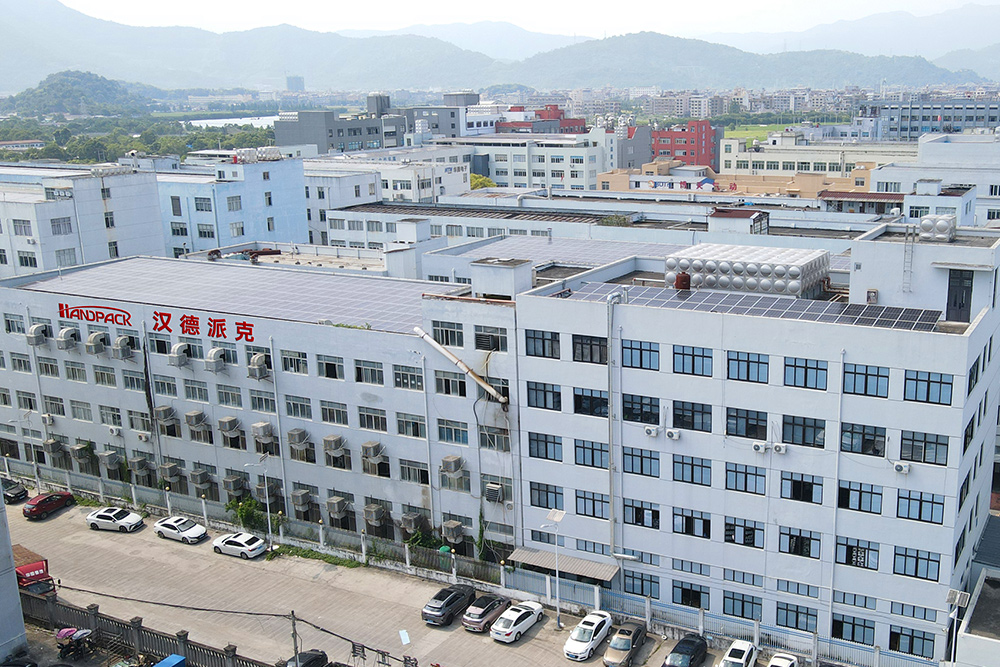
Established formally on March 14, 2008, and located in the Tiancheng Industrial Park, Yueqing City, Wenzhou, Handpack operates one of the region’s largest handheld packaging machinery manufacturing hubs. Spanning a modern 12,535 square-meter facility, our layout is optimized for high-capacity manufacturing, assembly, and testing of professional pneumatic, manual, and energy-storage electric strapping machines.
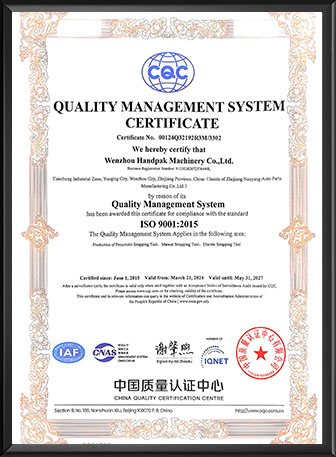
Our core manufacturing strategy utilizes computer numerical control (CNC) technology across our machining lines to ensure high-precision parts and reliable quality. We manage all quality parameters according to the ISO9001 quality management system, ensuring that each tool leaving our factory is optimized for performance, safety, and longevity.
Collaborations with professional component suppliers and continuous technical exchanges keep our tools aligned with global safety standards and ergonomics.
Holding direct import and export rights, our CE-compliant product lines are distributed widely across Europe, the Americas, Southeast Asia, and the Middle East.
Analyzing what purchasing agents and operations directors require to secure their supply chains and optimize Total Cost of Ownership (TCO).
End-of-line packaging bottlenecks are costly. Procurement managers prioritize tooling with long-life components, brushless motor technology, and accessible replacement parts (such as tension wheels and cutters) to maintain continuous packing operations.
Different materials require specific handling: high-tensile steel straps are needed for heavy steel girders, while PET straps with elastic memory are preferred for timber that shrinks. Multi-material systems help lower global supply chain operational costs.
Reducing workplace injuries and operator strain is key. Modern handheld strapping tools incorporate ergonomic balances, single-button automated tensioning and welding sequences, and dual-safety locks to prevent accidental activation.
Our strapping systems are designed to meet the load security requirements of various industrial sectors globally.
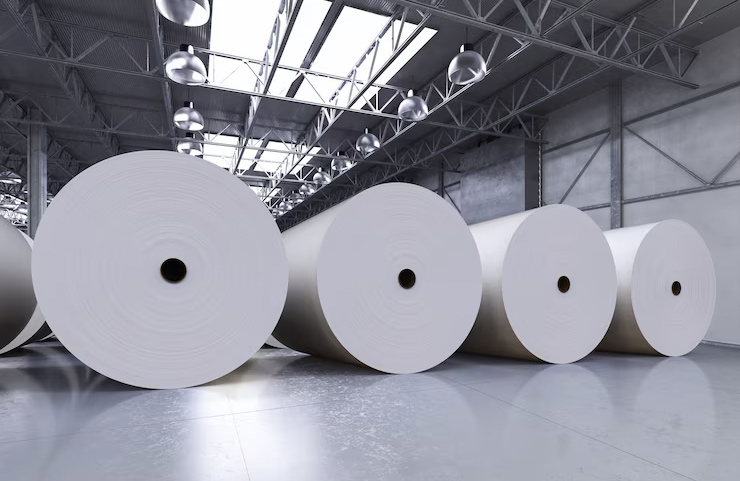
Critical for bundling finished paper rolls, securing boxes, and packaging recycled pulp. Our tools manage tension parameters carefully to prevent edge crushing and surface indentation on delicate corrugated boards.
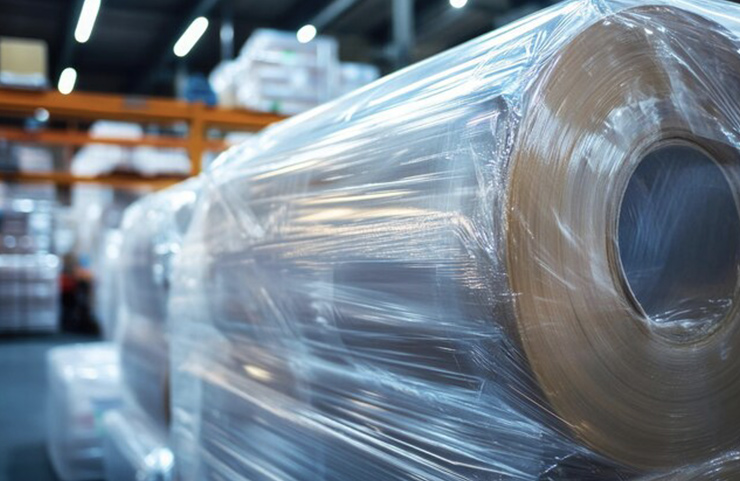
Secures heavy aluminum coils, structural sections, and cast ingots. Requires high-tensile steel strapping and heavy pneumatic tools (such as the GZA32 combinations) to handle high temperatures and abrasive metal edges.
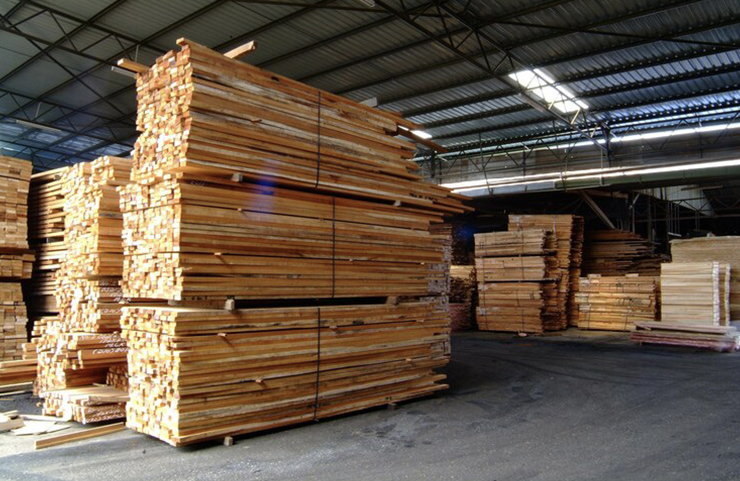
Bundling raw lumber, wood panels, and building components requires tools that maintain stability. PET strapping tools compensate for natural wood shrinkage and moisture loss during long transits.
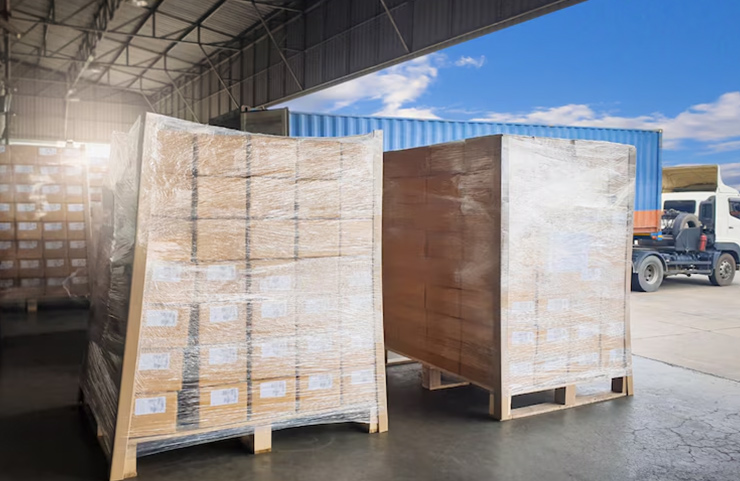
Adds extra strength to export crates containing heavy industrial machinery. Our tensioners and sealers reinforce traditional wooden crates for containerized sea transport.
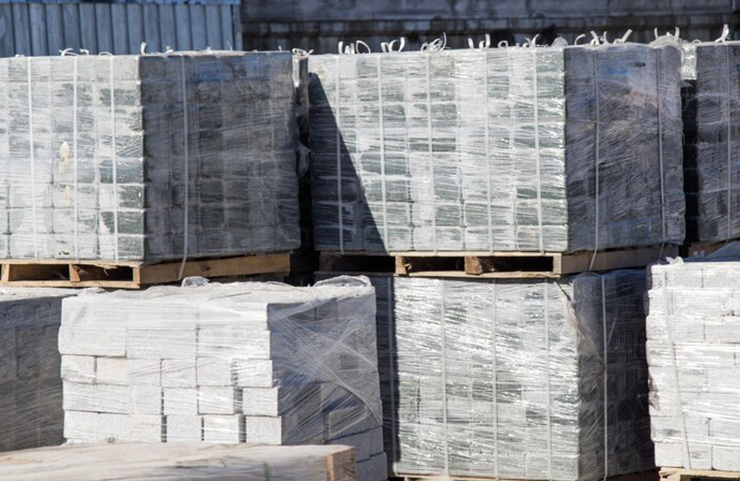
Secures heavy, fragile slate, granite panels, and concrete components. Replacing metal chains with high-strength composite webbing or steel banding helps prevent micro-cracks and surface chipping.
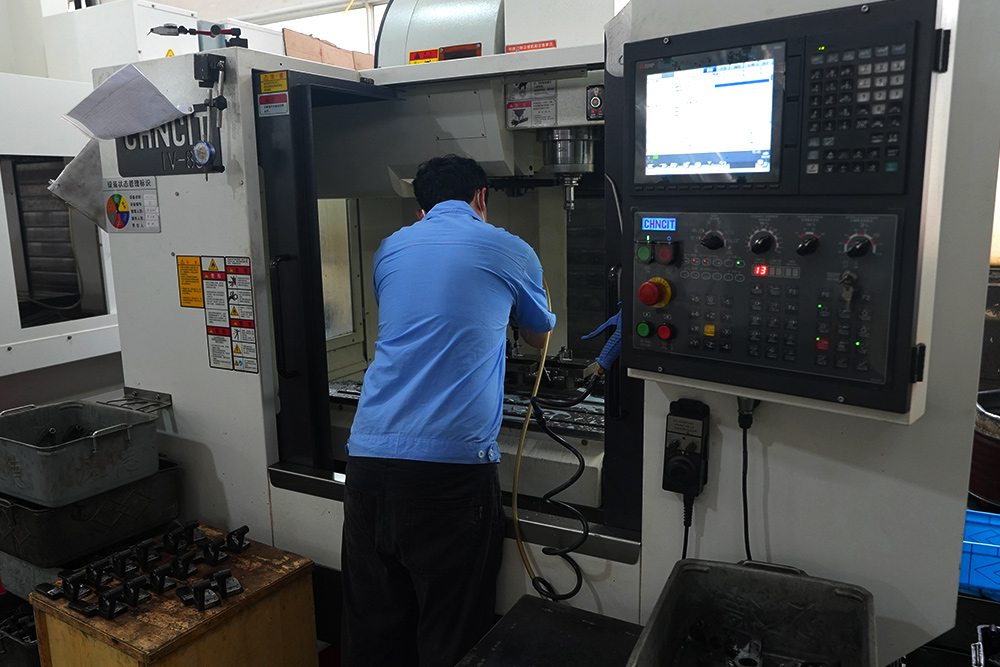
Provides securing solutions for third-party logistics (3PL) centers. Handles various load shapes and sizes with manual, electric, and pneumatic tools designed for diverse logistics terminals.
How our values shape our product engineering, quality assurance, and customer service.
Using innovation and technical updates to help our clients build reliable and efficient packaging systems.
Focusing on honest relations and reliable equipment engineering to build long-term partnerships.
Focusing on value generation, efficiency improvements, and lowering material costs for operations.
Encouraging innovation, manufacturing efficiency, and direct problem-solving across our business.
The progression of pallet strapping technology, from manual lever tools to battery-powered automated systems.
Pneumatic tools like the GSC32 and GZA32 use compressed air to deliver high, consistent tension. These are suited for fixed strapping stations in heavy metallurgical, wood processing, and brick fabrication fields where continuous power is available.
Modern battery-powered models like the DD190U and DD163U offer mobile operations across shipping yards. They feature brushless motors and lithium-ion batteries, enabling operators to secure pallets without hose restrictions.
Next-generation strapping systems include electronic interfaces with real-time tension adjustment. These sensors monitor strap strain and temperature during seal formation to ensure consistent welds and stable loads.
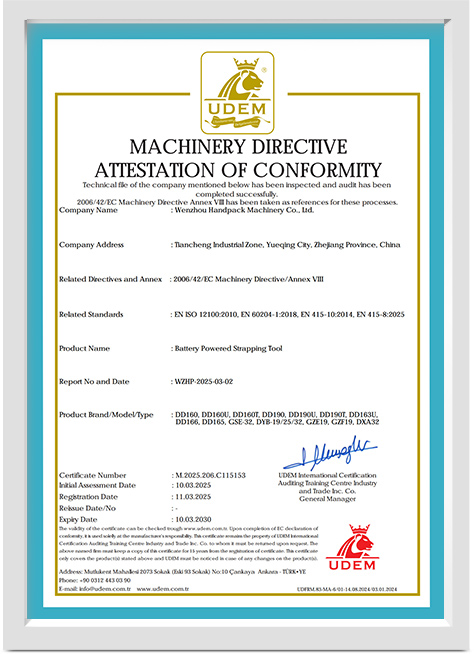
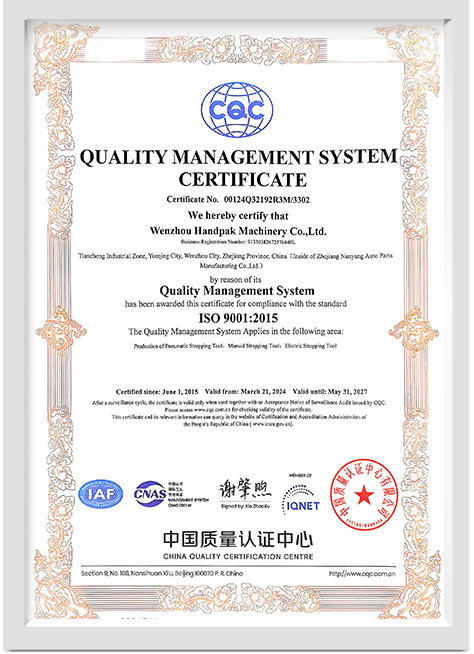
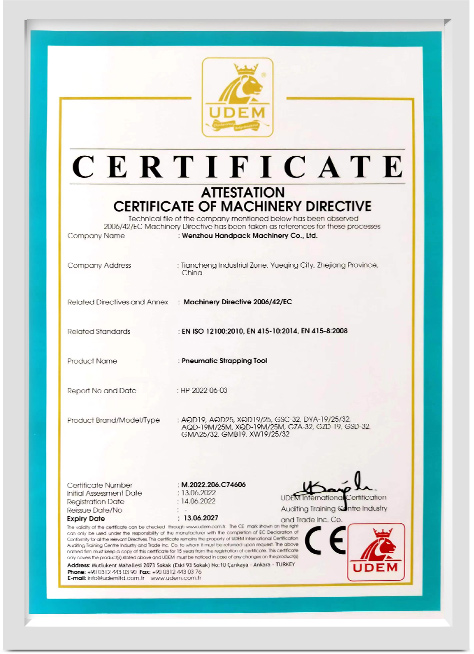
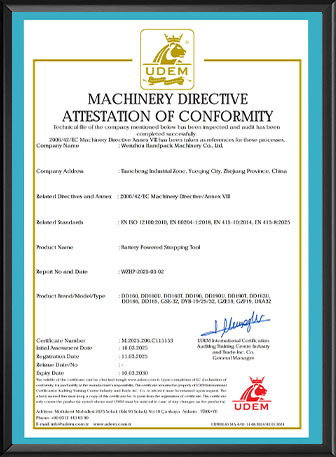
Industrial tools must comply with strict regional safety regulations. Wenzhou Handpack Machinery Co., Ltd. holds full export credentials, ISO9001 Quality Management System Certification, and European CE Product Certification for our entire catalog.
Our quality control program includes material inspections, CNC dimensional verifications, and stress testing under high-tension loads. This ensures our pneumatic and electric strapping tools function reliably in hot, cold, or high-humidity environments.
Expert insights on tool selection, material chemistry, and maintenance practices to optimize end-of-line packaging operations.
Answer: The choice depends on load weight, material settling behavior, and environmental conditions. Steel strapping is suited for heavy, rigid, sharp-edged materials like steel beams, masonry slabs, or hot aluminum coils, where expansion is not expected. PET (Polyester) is preferred for timber loads that settle or shrink, as it has elastic memory and can contract to maintain tension. PP (Polypropylene) is ideal for light to medium-duty applications, short-distance shipments, and indoor warehousing due to its elasticity and lower cost.
Answer: Sealless tools, such as the SG192 or A333, use interlocking notches cut directly into the overlapping straps. This design cuts operational costs by eliminating metal seals, speeds up the packing process, and removes the risk of joint failure from seal slippage. It also prevents cargo surfaces from being scratched by protruding metal seals.
Answer: Pneumatic tools (like the GSC32 or GZA32) rely on consistent air pressure (usually between 0.5 to 0.7 MPa) to maintain stable tension. Fluctuations in line pressure can lead to under-tensioned loads. We recommend using a dedicated Filter-Regulator-Lubricator (FRL) unit near the tool station to keep the air dry, lubricate internal valves, and maintain stable pressure.
Answer: The tensioning wheel and welding plate should be cleaned regularly with a brass wire brush to remove plastic dust and strap residue. Lubricating pivot points and checking the alignment of the cutter blades help prevent misalignments. Keeping lithium batteries charged and stored in dry areas also helps maintain tool performance.
Answer: Handpack offers standard replacement parts, including cutters, feed wheels, tension shafts, and motor assemblies, that are compatible with global specifications. We work with distribution partners to supply critical parts and offer step-by-step video manuals for maintenance and rebuild operations.
Explore our selection of heavy-duty manual tensioners, sealless tools, and electric sealers designed for versatile and off-grid packaging operations.
 Handpack