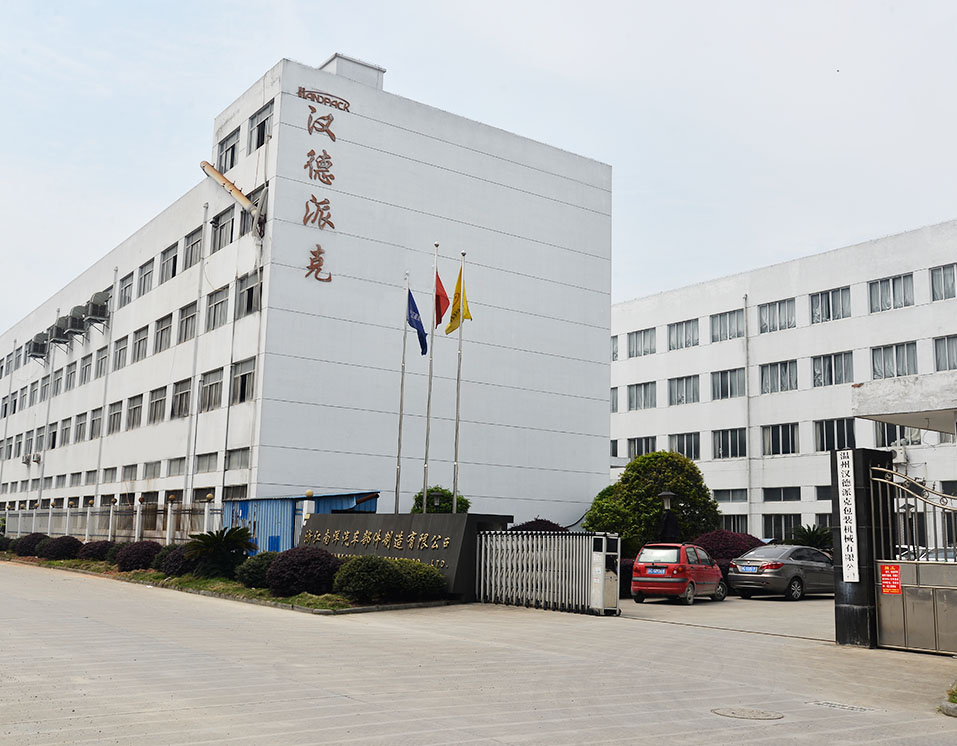
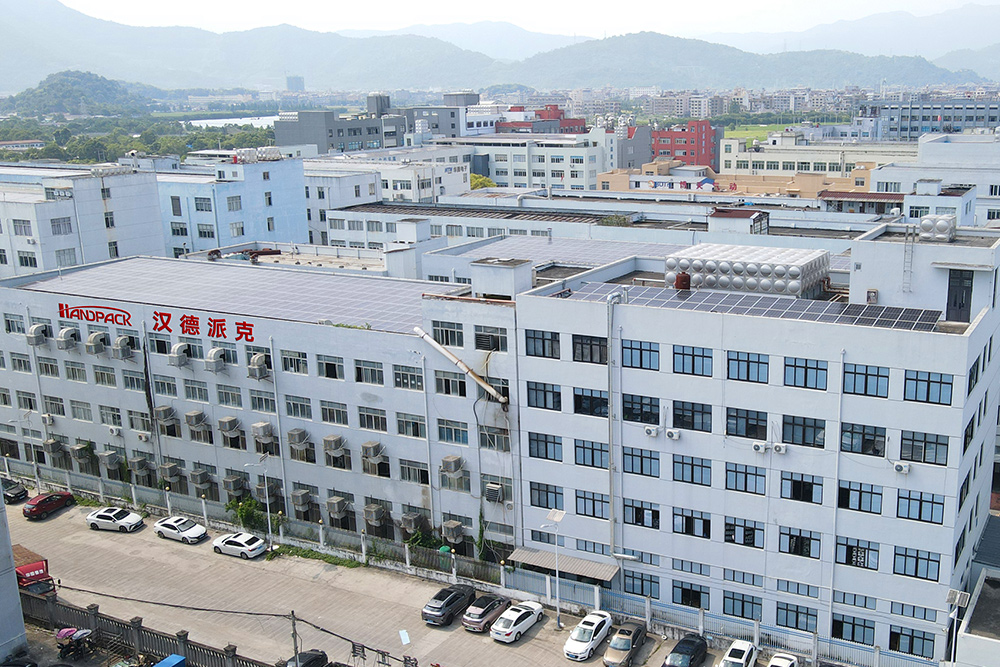
Based in the high-tech Tiancheng Industrial Park, Yueqing City, Wenzhou, Handpack Machinery has scaled to become one of China's most trusted manufacturers of professional, industrial-grade handheld packaging machinery. Spanning a state-of-the-art manufacturing campus of over 12,535 square meters, we serve as the vital technical engineering backbone for supply chains requiring ultra-stable cargo stabilization and secure logistics strapping.
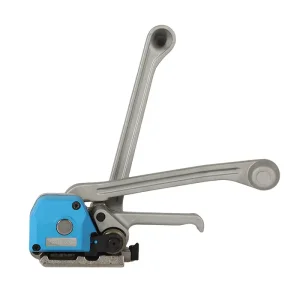
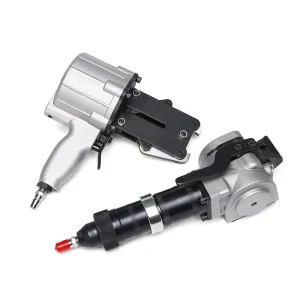
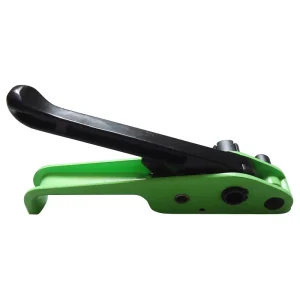
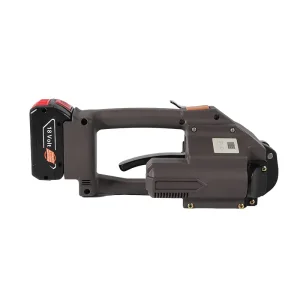
Our operational capabilities are focused on the integration of premium material engineering, CNC-machined structural parts, and specialized heat treatment techniques. This focus allows us to supply elite manual, pneumatic, and battery-powered strap crimping and tensioning tools optimized for PET, PP, and steel strapping systems globally.
We design tools that solve the critical challenge of package structural failure, ensuring zero damage during long-distance multimodal logistics transit.
Helping enterprises scale operations globally with robust strapping equipment that delivers predictable joint strength under heavy payloads.
Operating with the principle of "Honesty forever, trust in the future" by incorporating transparent supply chains and traceable material specifications.
We focus on resolving packaging bottlenecks by using exact data and field-testing to improve seal efficiency ratios across various industrial applications.
A technical guide to understanding mechanical joint geometry, sealing physics, and safety standards in global cargo packaging.
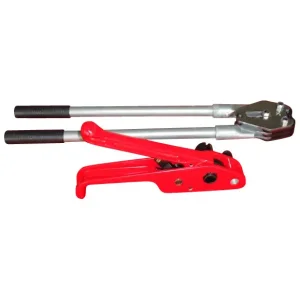
In the heavy industrial packaging sector, strap crimping tools are the primary equipment used to secure load structures. The term "strap crimping tool" refers to mechanical sealers that crimp or indent a steel seal over tensioned strapping (PET, PP, or Steel) to lock the strap system in place. The strength of this joint is critical. While tensioning ensures the strapping remains tight, the crimped joint bears the shear stress of the system. Without a high-precision, deep-indent crimp, joint slippage will occur under dynamic loads, potentially causing structural failures during transit.
Engineers calculate this performance using the Joint Efficiency Ratio, defined as:
Joint Efficiency (%) = (Breaking Strength of the Joint / Tensile Strength of the Banding Strap) × 100
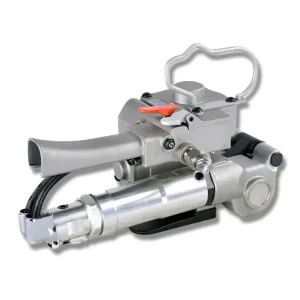
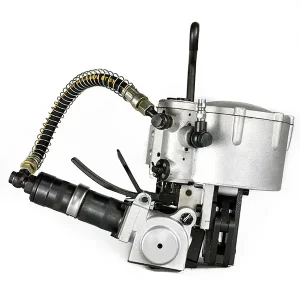
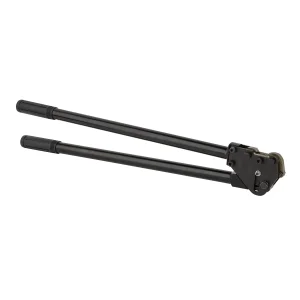
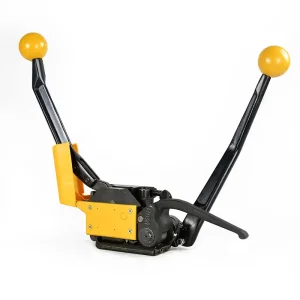
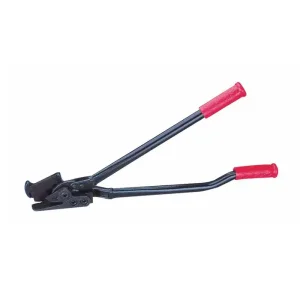
A standard manual double-notch crimper, such as the SKS-32(S), achieves a joint efficiency of 75% to 85%. In comparison, low-grade alternatives often fail at less than 50% efficiency due to uneven pressure distribution across the jaw dies. This failure stems from poor manufacturing tolerances in the jaw assembly. Modern pneumatic steel strapping sealers, like the GZA32, address this by using compressed air to apply consistent mechanical force. This ensures uniform bite profiles that reliably hold heavy steel bands under high tension.
Procurement departments in multinational enterprises are shifting away from evaluating tools based solely on purchase price. Instead, they focus on the Total Cost of Ownership (TCO), where tool lifecycle, wear resistance of components, and downtime impact overall costs. The critical components of a strap crimper are the jaw dies and side plates, which undergo intense cyclic mechanical stress. Standard suppliers often use cast iron or low-grade steel, which wears quickly and leads to loose joints.
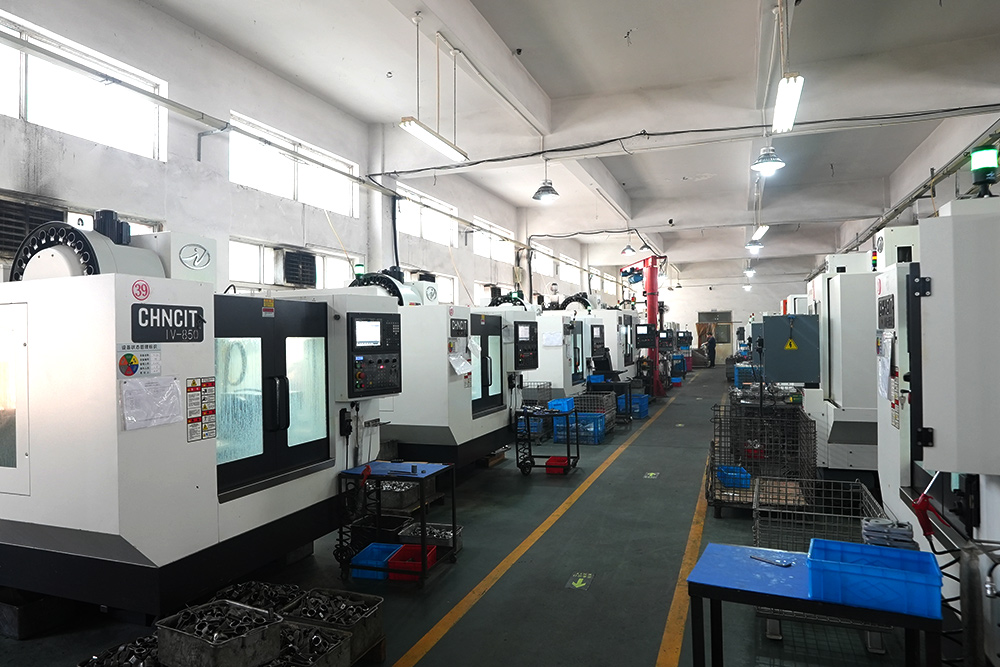
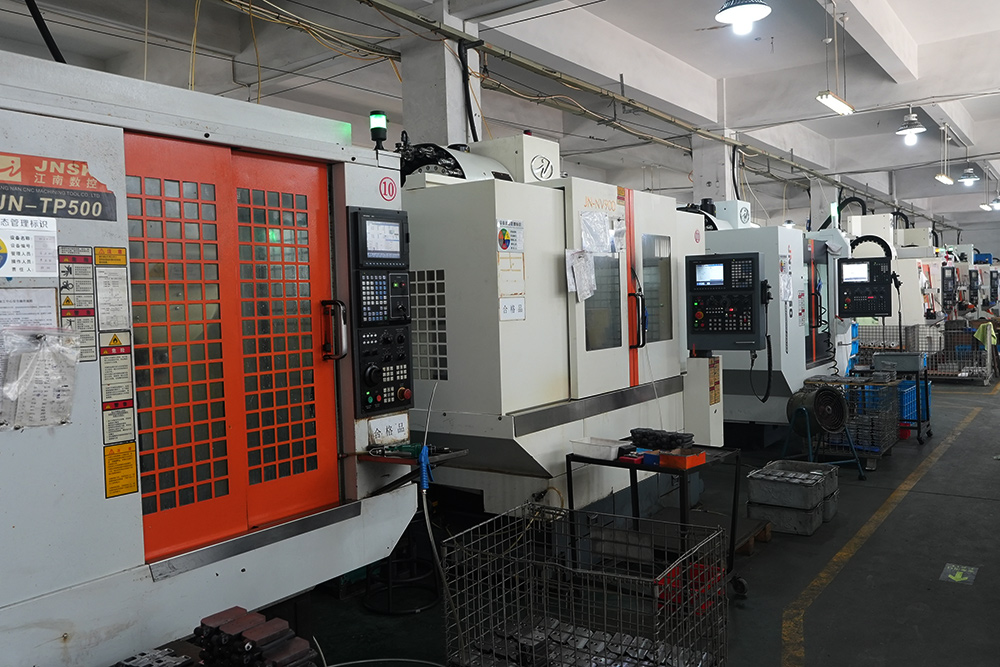
At Handpack Machinery, we use computerized numerical control (CNC) centers to machine our components from high-alloy steel, followed by precision vacuum heat treatment. This increases jaw hardness to HRC 58-62, extending tool life to over 200,000 crimping cycles under standard operational environments. Over a three-year period, this durability significantly reduces repair overheads, consumable replacement costs, and lost productivity, making China suppliers who prioritize engineering quality the preferred partners for international buyers.
The global strapping industry has experienced significant technological shifts over the past few decades:
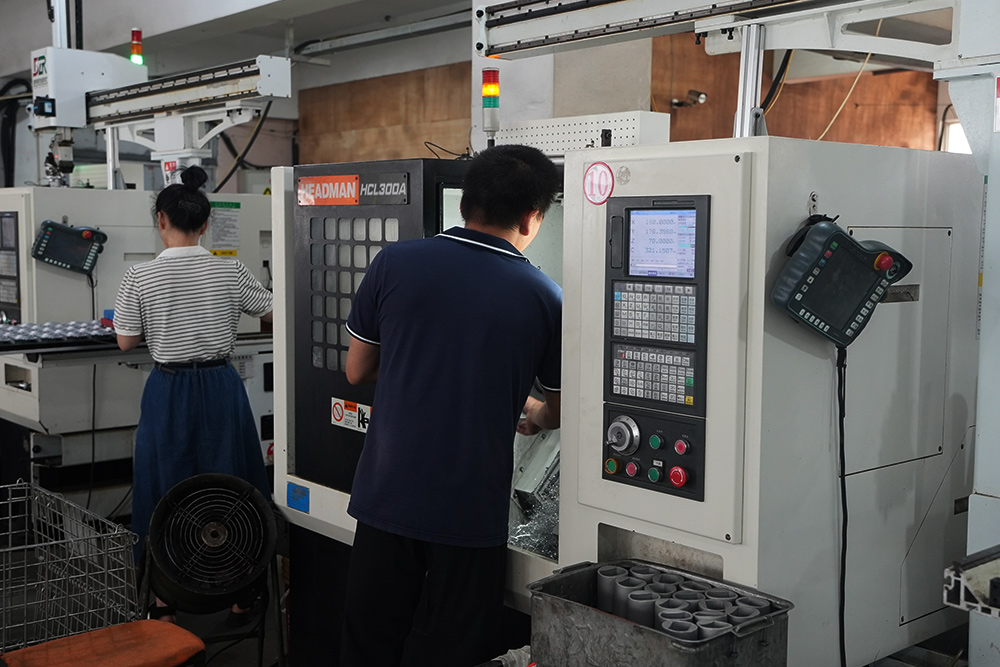
Every strapping tool manufactured by Handpack Machinery is produced using strict CNC machining centers to ensure precise component tolerances. Standard tolerances are held within ±0.01mm, which is critical for maintaining consistent alignments in high-pressure pneumatic valve blocks and high-torque gear transmissions.
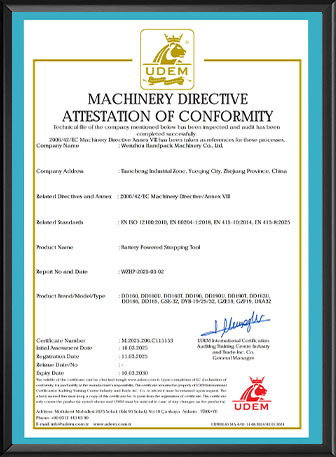
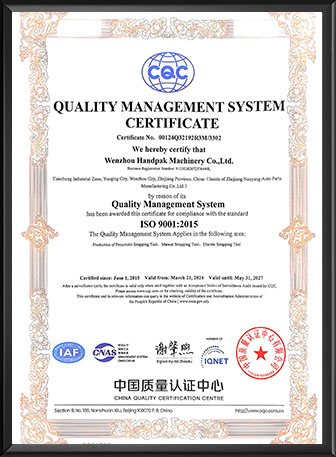
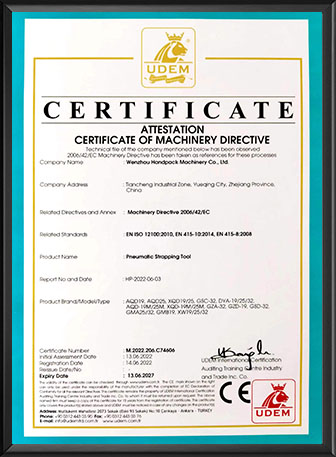
Our quality management systems are certified to the ISO9001 standard, and our export-grade strapping machinery carries the European CE conformity mark. This guarantees that all electrical and pneumatic components comply with occupational safety and electromagnetic compatibility regulations in major global markets.

How different industries deploy specialized hand-held strapping tools to stabilize high-value loads for secure shipping.
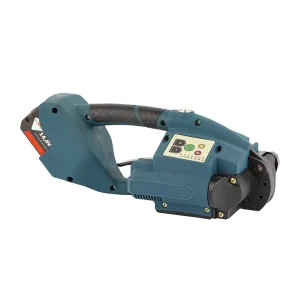
Used to bundle finished paper rolls and secure corrugated box pallets. Battery-operated tensioners like the DD190U prevent core deformation while keeping the banding tight.
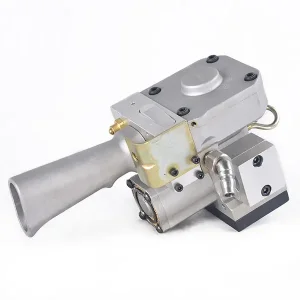
Heavy metal materials require high-strength steel strapping. Our pneumatic tensioners (GSC32) and sealers (GZA32) handle steel bands up to 32mm wide to hold sharp, heavy metal loads safely.
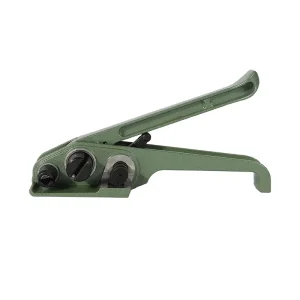
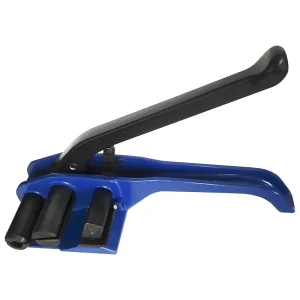
Timber products expand and contract with changing humidity levels. Using fiber cord woven webbing tensioners (SD500, SD251) allows for retensioning during outdoor storage and transport.
Securing stone slabs and structural concrete blocks requires robust strapping. Our high-tension tools prevent load shifts, reducing safety hazards during transit.
We build and test our strapping tools to meet European and international industrial standards.
How Handpack is developing the next generation of industrial strapping equipment.
Integrating brushless DC motors into our battery-powered tools (DD160T/DD190T) to improve energy efficiency, reduce maintenance, and extend tool runtime.
Developing Bluetooth and Wi-Fi connectivity for our electric models to log tension cycles, weld cooling times, and battery health for quality control and maintenance scheduling.
Optimizing the jaw shapes and welding elements of our tools to work reliably with strapping made from 100% post-consumer recycled PET, helping users meet sustainability goals.
Using magnesium and high-grade aluminum alloys to lower tool weight while retaining overall casing strength, reducing operator strain during long shifts.
Detailed answers to common questions about strap crimpers, joint strength, and tool selection.
 Handpack