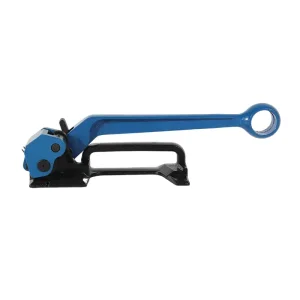
Explore our high-performance manual steel strapping, pneumatic systems, and battery-powered tensioners.
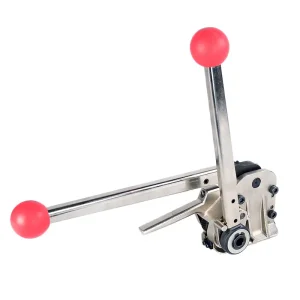
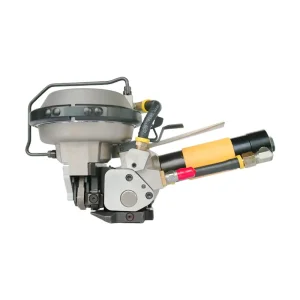
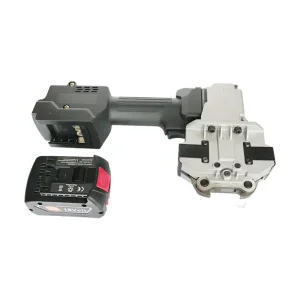
An in-depth study of high-tension containment systems and structural packaging engineering.
In the globalized logistics landscape, securing heavy-duty cargo for transit across varying geographical terrains and maritime pathways represents a core operational challenge. Loss of cargo integrity due to tension failure, joint slippage, or strap shearing costs the shipping and manufacturing industries billions of dollars annually. To mitigate these risks, modern packaging protocols require robust mechanical strapping devices, notably strapping tensioners and strapping sealers.
This comprehensive industry whitepaper analyzes the engineering design, metallurgic composition, mechanical advantages, and localized operational configurations of handheld packaging tools. Specifically, we explore why Chinese factories have emerged as the primary global innovators and manufacturing hubs for these indispensable industrial tools.

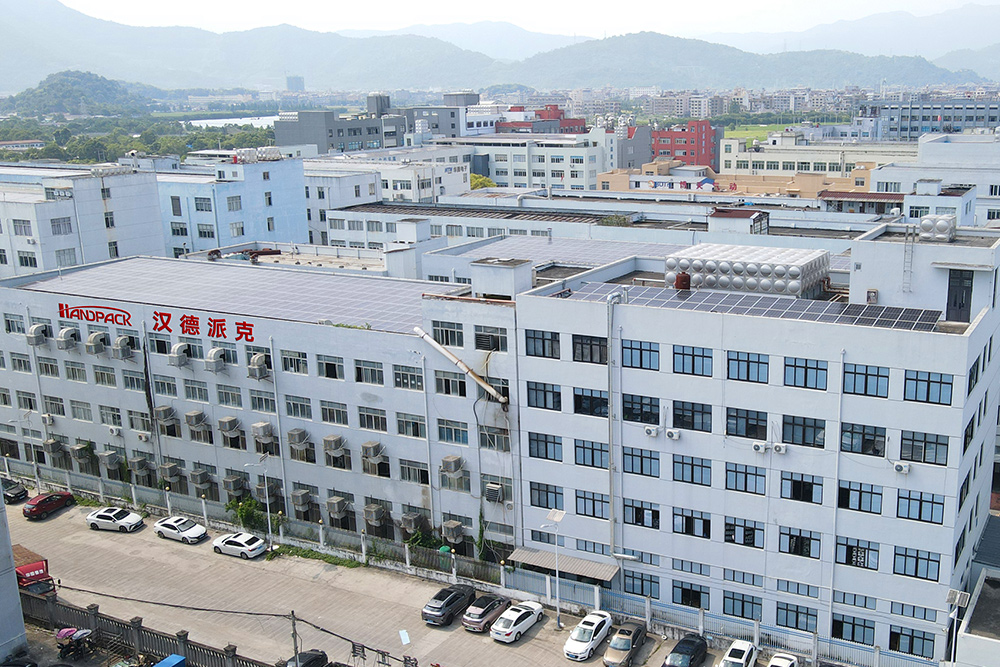
Established initially on March 14, 2008, and located in the prominent Tiancheng Industrial Park, Wenzhou, China, Handpack is one of the largest dedicated manufacturers of handheld packaging tools globally. Occupying a facility of over 12,535 square meters, we integrate state-of-the-art engineering practices with mass production capabilities.
We specialize in the development, manufacturing, and distribution of portable strapping solutions tailored for PET, PP, and high-tensile steel straps. Adhering strictly to ISO9001 and European CE standards, our products integrate advanced Computerized Numerical Control (CNC) components to ensure microscopic assembly tolerances and operational durability.
Unmatched mechanical synergy, industrial scaling, and state-of-the-art metallurgy.
Chinese factories utilize industrial machining centers to fabricate precise drop-forged gears, cutting knives, and tension wheels. Specially hardened steel components ensure that manual sealers resist structural deformation even under a constant load of 15,000 N.
Every tool undergoes continuous stress checks in testing facilities, verifying feed wheel traction limit, sealing notch strength, and joint efficiency. This physical assurance reduces early wear on high-friction parts.
By keeping raw material processing, heat treatment, component assembly, and testing in one region, Handpack lowers production costs. We pass this cost advantage to our buyers without lowering tool lifetime.
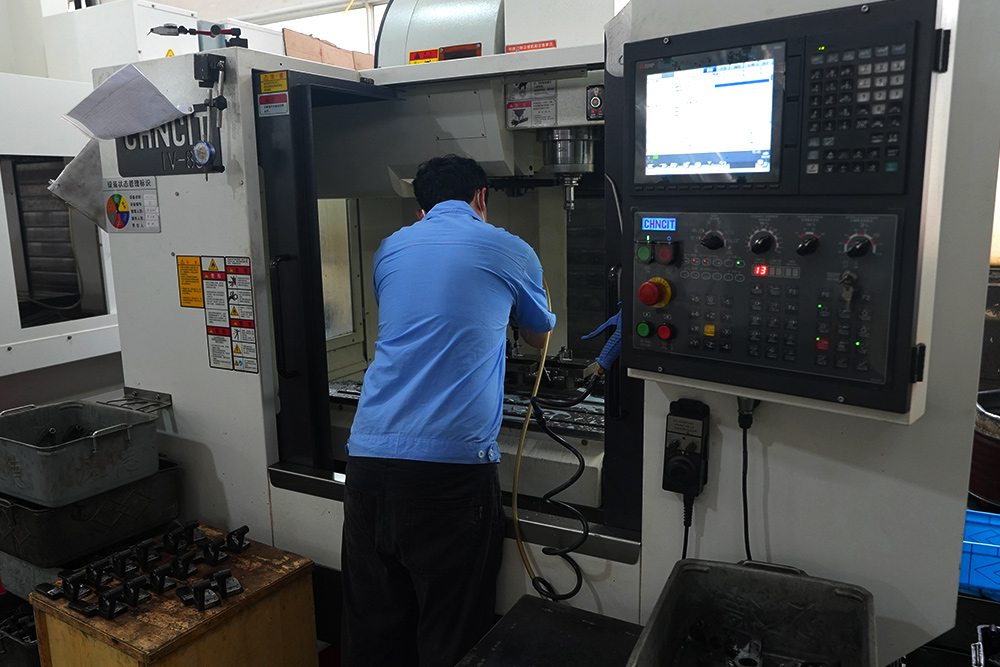
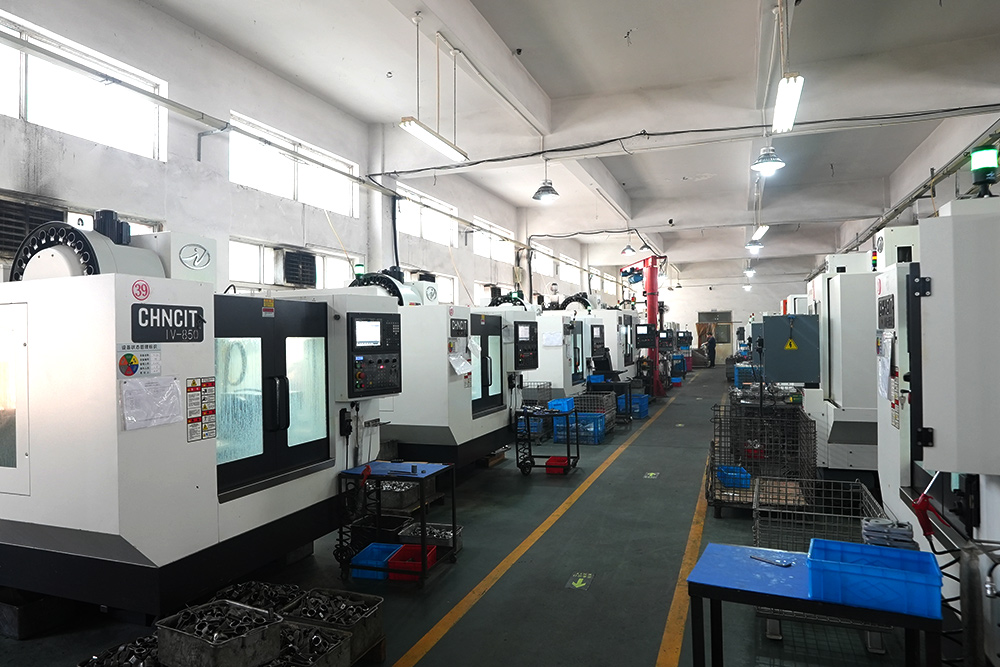
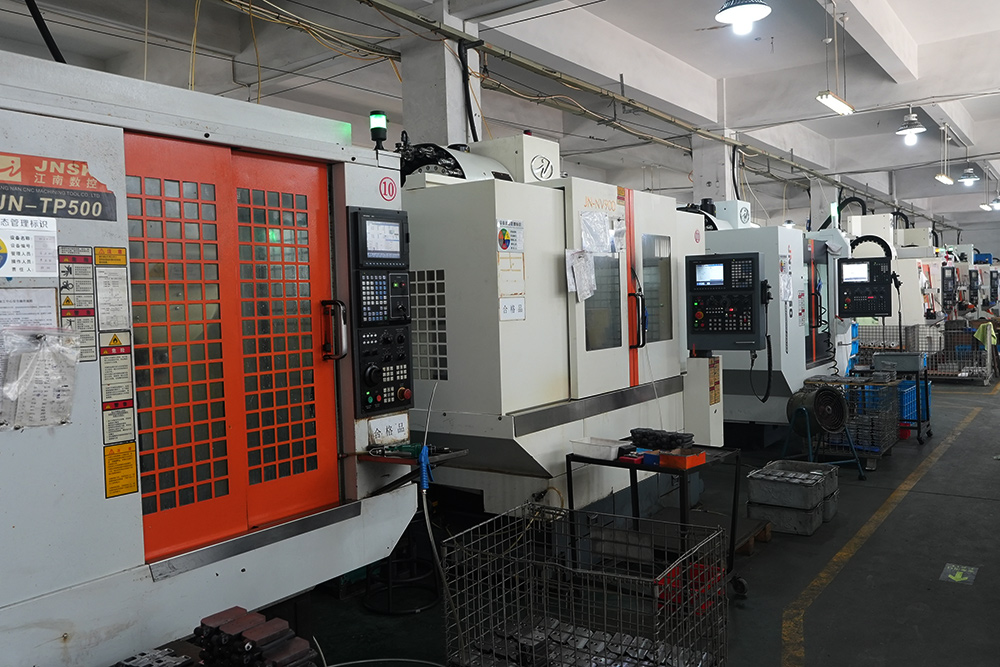
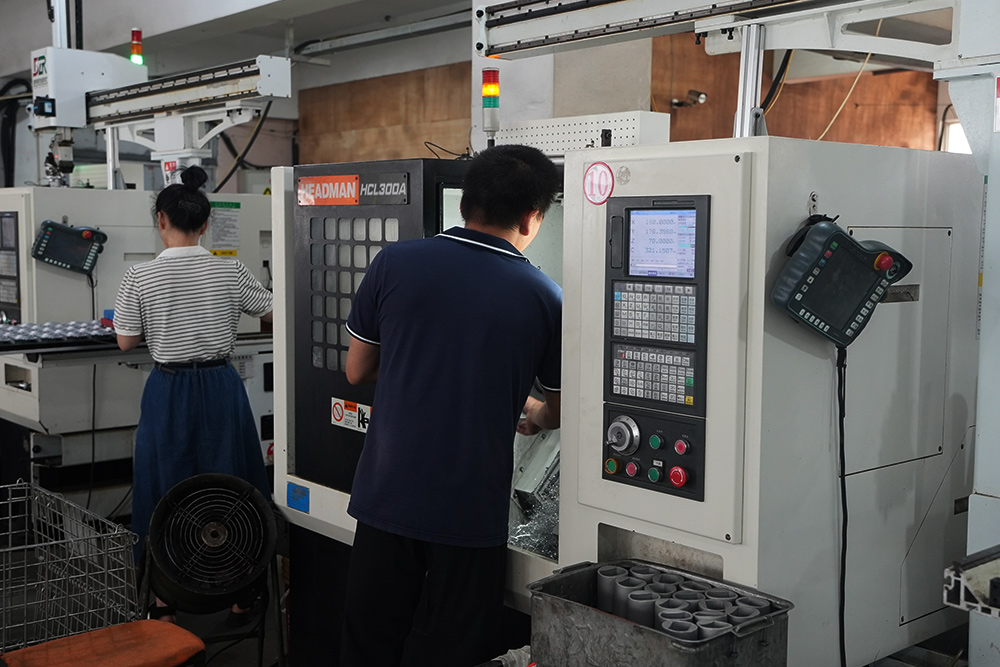
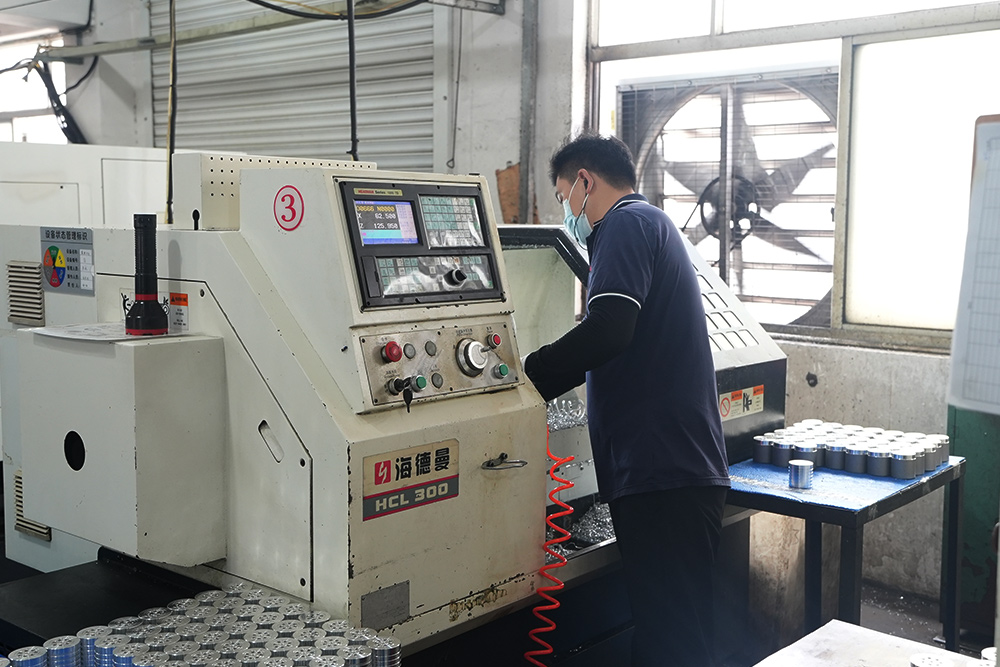
A transparent look at our CNC machining center and precision component production.
At Wenzhou Handpack Machinery Co., Ltd., we prioritize every aspect of our manufacturing process. From the production of machining center components to assembly testing, our computerized numerical control equipment guarantees consistent performance and reliable tool lifespans across our complete product catalog.
How physical packaging demands translate to custom tool applications across sectors.
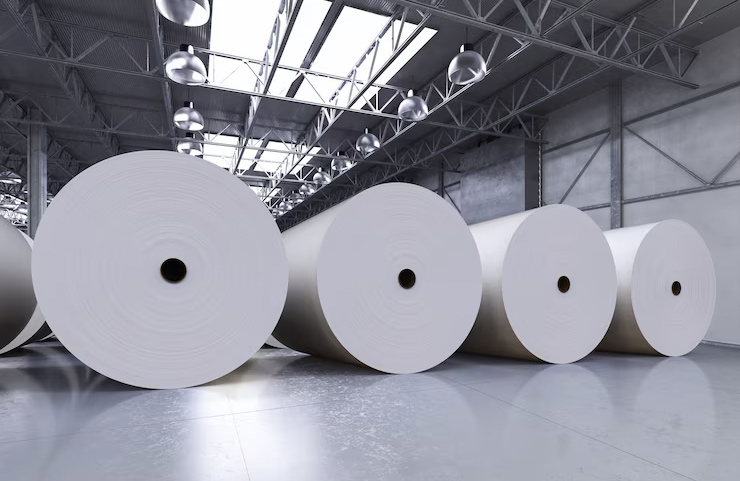
Our hand tools secure heavy paper rolls and palletized corrugated boxes, keeping bundles tight during transport without tearing the outer edges.
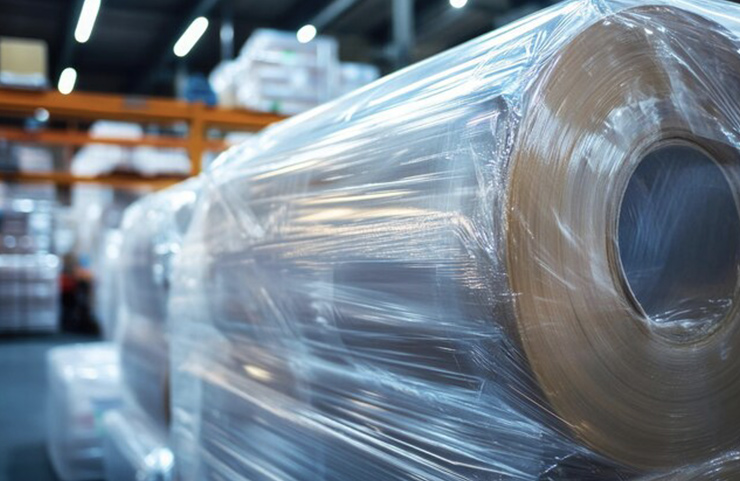
Specialized tools secure heavy aluminum coils and extruded profiles, keeping straps flat on sharp metal surfaces to maintain bundle tightness.
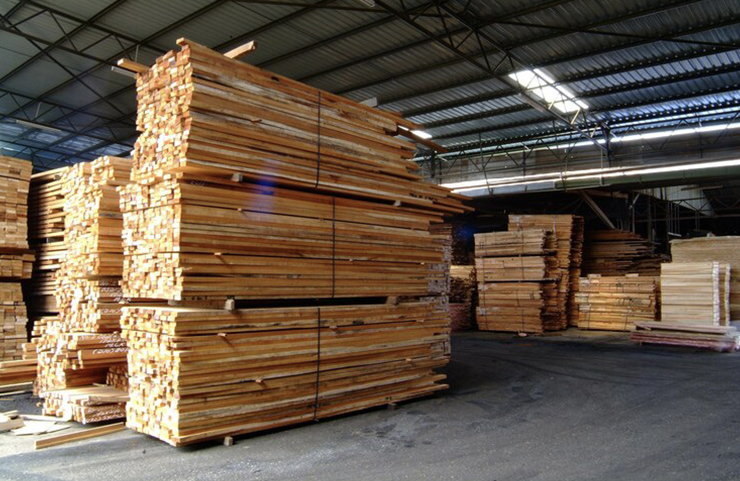
Designed for damp and dusty environments, our heavy-duty tensioners keep wood piles stable, adjusting to natural wood expansion and contraction.
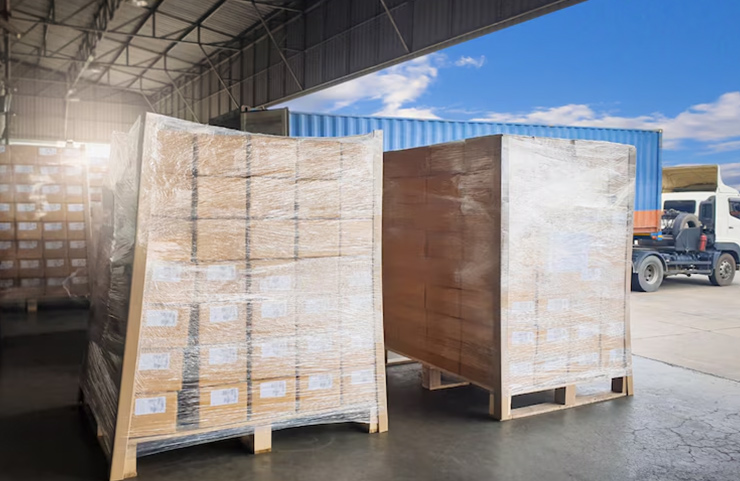
Perfect for reinforcing custom crates and heavy export boxes. Our systems complement standard nailing methods, adding a layer of structural security.
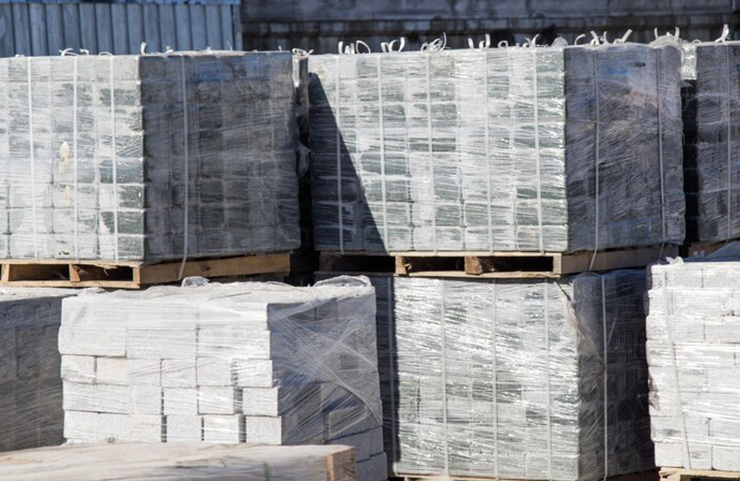
Replaces dangerous wire bindings with high-strength PET/Steel strapping. Our tools hold heavy, abrasive stones secure under high impact loads.
Authorized and fully audited systems that comply with global importing parameters.
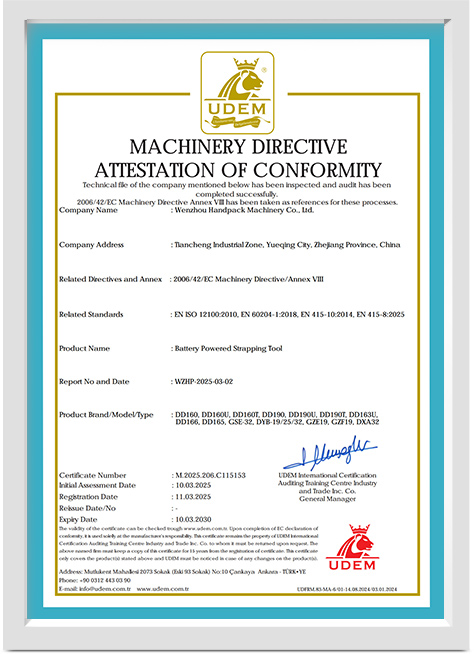
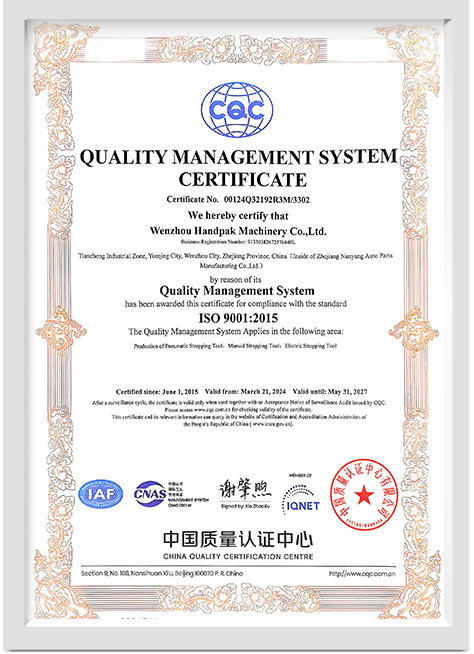
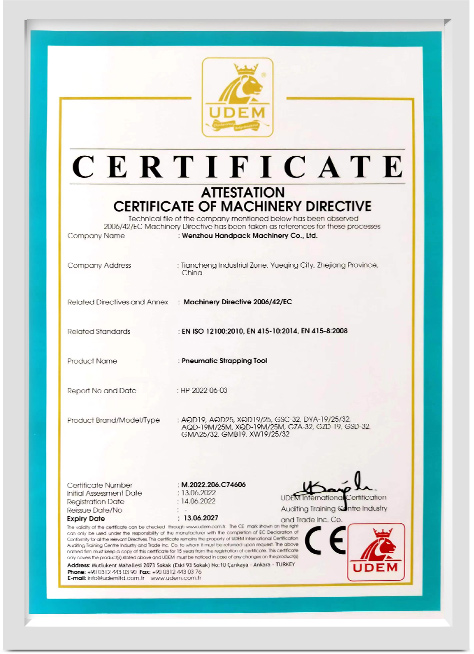
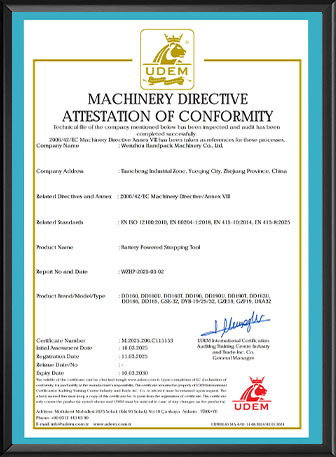
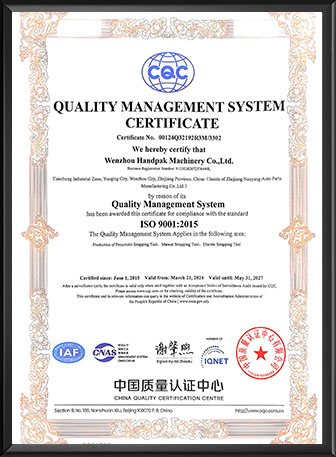
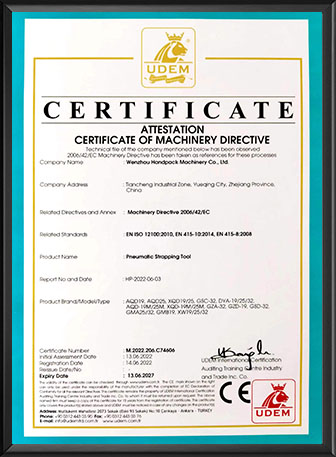
Handpack holds full import and export rights. Our systems are certified under European CE directives and ISO9001 quality management structures. These certifications show our ongoing focus on product quality and safety compliance.
The core operating principles guiding our business partnerships and product quality.
Helping enterprises take off with every bit of strength by delivering highly reliable strapping machinery.
Honesty forever, trust in the future. We build lasting partnerships through transparency and reliable service.
Pursue value, create value, realize value. Every design improvement aims to lower operational costs for our clients.
Innovation, Integrity, Pragmatism and Efficiency. Focused on real-world engineering solutions.
Selecting the correct strapping material and tool combination depends on physical load metrics, environmental exposure, and cargo weights. Heavy industrial applications typically use either high-tensile carbon steel strapping or molecularly oriented polyester (PET) strapping.
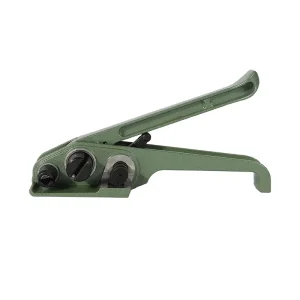
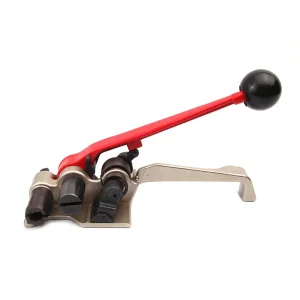
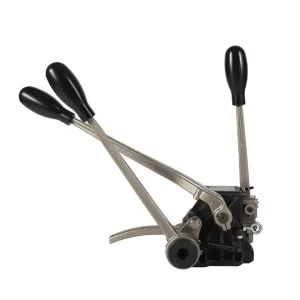
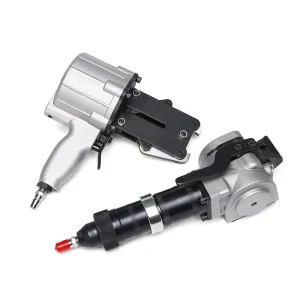
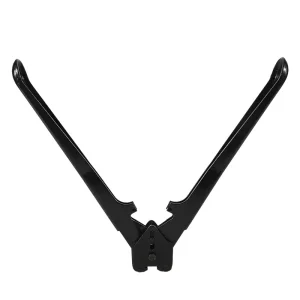
Steel Strapping: Steel remains the standard for hot, rigid, or sharp materials, such as heavy steel beams, brick loads, and raw aluminum coils. Because steel does not stretch, it needs high-force manual tensioners (like the SKL-32B or SGL-19) along with a double-notch sealer (like the SGS-19) to ensure the joint does not slip.
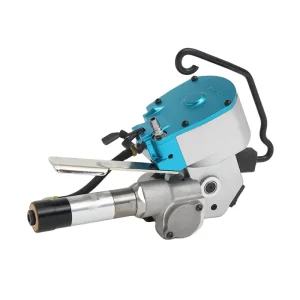
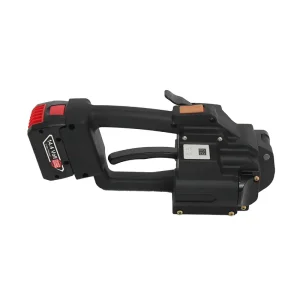
Polyester (PET) Strapping: PET has excellent elastic recovery properties, allowing it to stretch and absorb shocks during transit without breaking. Modern battery-powered tools (like the DD163U) use high-frequency friction welding to join the strap. This removes the need for metal seals and lowers material costs.
Procurement managers face a choice between pneumatic power and battery-operated strapping tools. Pneumatic systems (like the GZD19 and GM19) are powered by a compressed air line. They are highly reliable, offer constant tension, and perform well in high-volume, stationary production environments. However, air hoses limit mobility.
In contrast, battery-powered strapping tools use rechargeable lithium-ion cells, offering full mobility across warehouses and loading docks. Modern ergonomic designs, such as the DD163U and DD190T, balance weight and motor power, delivering up to 4,000 N of tension force on a single charge.
Buying cheap strapping tools often leads to higher long-term costs due to broken components, frequent downtime, and damaged shipments. Experienced suppliers focus on the Total Cost of Ownership (TCO) by using high-grade materials for high-wear parts. High-alloy feed wheels, hardened steel cutters, and protected motors reduce maintenance needs and extend tool life.
From sealless pneumatic units to high-performance manual ratchets, choose the tool that fits your process.
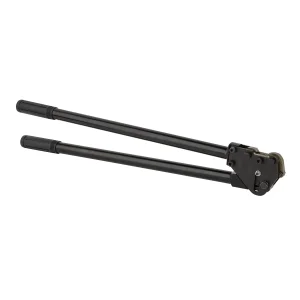
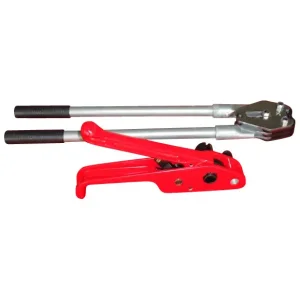
Detailed technical answers for packaging engineers and international buyers.
Manual tools rely entirely on mechanical leverage. They are best for low-volume packing, mobile field operations, or situations where compressed air or electricity is not available. Pneumatic tools use compressed air to tension and weld straps, making them fast and highly consistent, but they must be connected to an air line. Battery-powered tools run on lithium batteries and use a built-in motor to tension and friction weld. They are fully portable and highly efficient, though they have a higher initial cost.
Joint efficiency refers to the ratio of the joint's breaking strength to the strap's breaking strength. For example, manual sealers using metal buckles typically achieve 60-70% joint efficiency. Well-designed pneumatic sealless joints or high-frequency friction welds on battery-powered tools (like the DD163U) can reach 80-90% efficiency. This higher efficiency prevents the strap from failing under sudden shocks during transit.
The parts most subject to wear are the feed wheel (tension wheel), gripper plate, and cutter blade. For pneumatic tools, it is also important to maintain clean, dry air lines and use standard air lubrication to protect internal pistons. In battery tools, the friction welding pad should be cleaned regularly to remove plastic buildup. Handpack offers a full range of replacement parts to extend the lifespan of all our tools.
ISO9001 certification confirms that our factory follows consistent quality management procedures during production, ensuring that every batch of tools meets the same standards. European CE compliance certifies that our tools meet essential health, safety, and environmental protection requirements. This ensures the tools are safe to operate and can be imported legally without customs clearance delays.
 Handpack