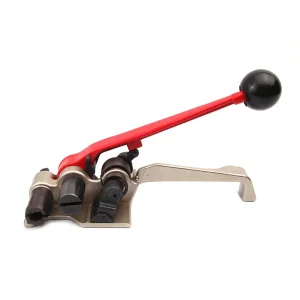
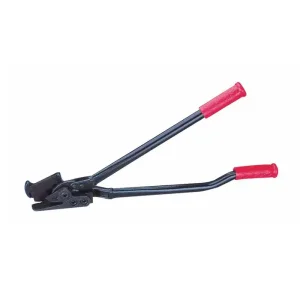
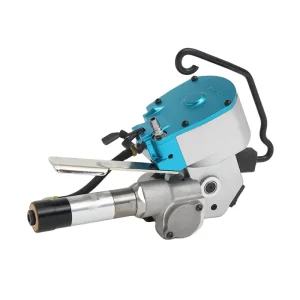
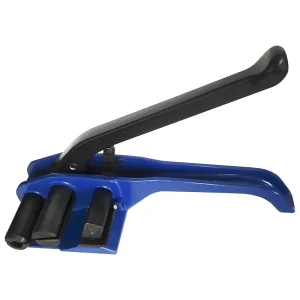
In the modern global supply chain, logistics optimization is no longer just about freight paths; it is fundamentally about containment security and operational efficiency. Traditional steel and plastic strapping methods relied heavily on separate tensioners, sealers, and metal buckles (seals). However, the rising demand for high-throughput packaging, combined with strict workplace safety standards, has propelled the adoption of Buckle-Free Combo Tools (also known as sealless combination tools) into a pivotal industrial standard.
By eliminating the necessity of external metal closures, these integrated tools punch, crimp, or friction-weld strapping materials directly. In the global metallurgy, timber, stone, and heavy machinery sectors, this shift has delivered immense cost-containment benefits. Consumable budgets are reduced by 10% to 15% annually by removing buckles, while joint security is stabilized. According to international packaging research, mechanical sealless joints in steel strapping achieve up to 80% of the strap’s breaking strength, yielding consistent, tamper-proof containment during multi-modal transit.
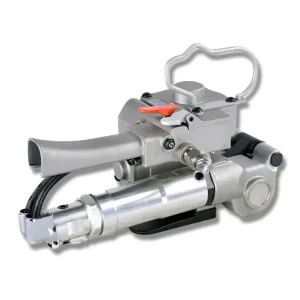
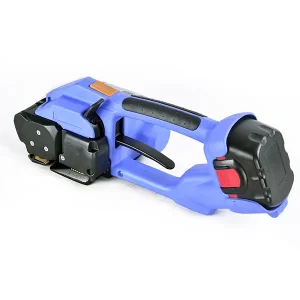
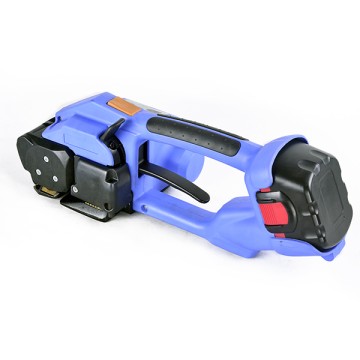
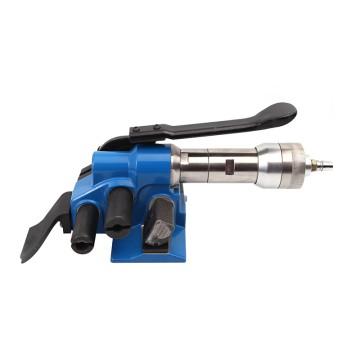
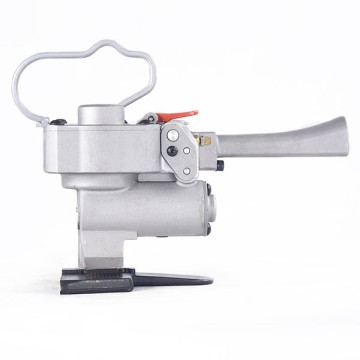
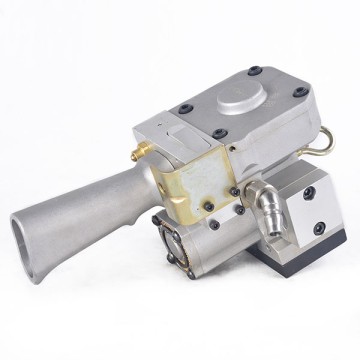
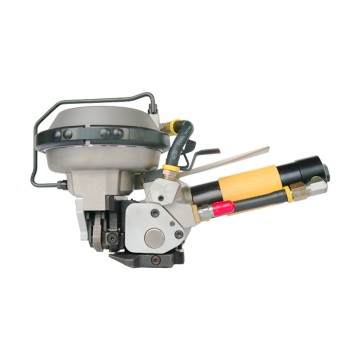
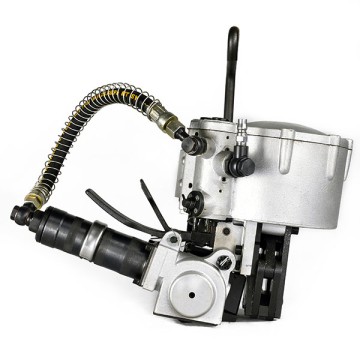
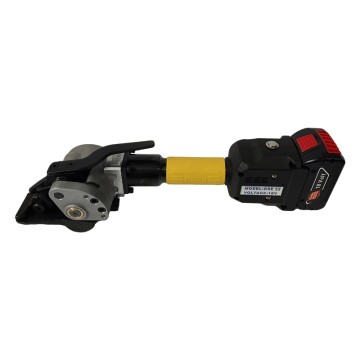
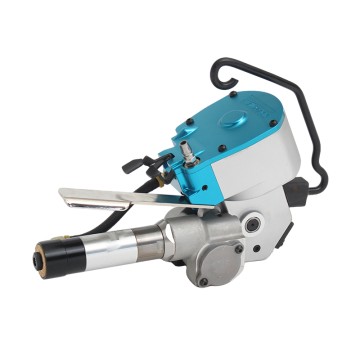
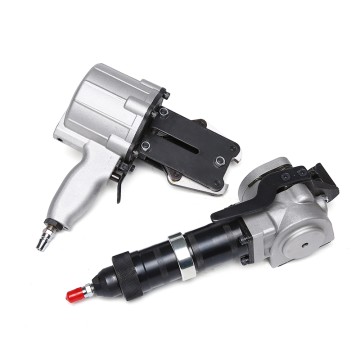
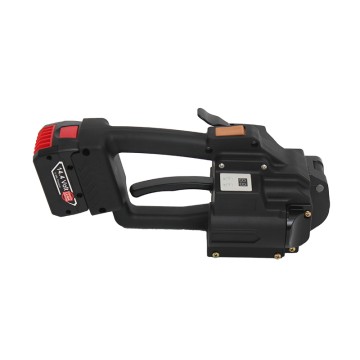
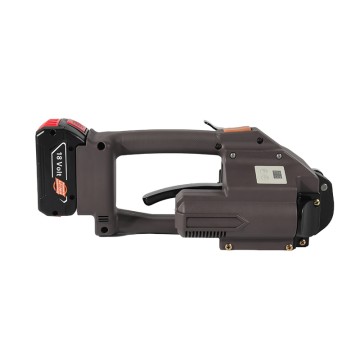
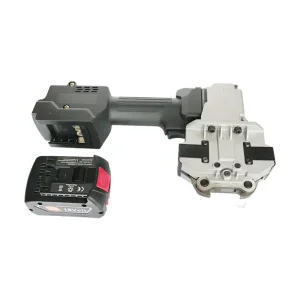
Moreover, buckle-free tools address critical environmental and safety regulations. Traditional metal buckles often present sharp edges, causing skin lacerations during manual handling and unloading processes. In highly automated warehouses, buckles can snag on conveyer mechanisms or guide rails. Transitioning to sealless pneumatic models like the GM19 or battery-powered solutions like the DD160 mitigates these physical hazards, aligning manufacturing operations with European CE directives and OSHA safety frameworks.
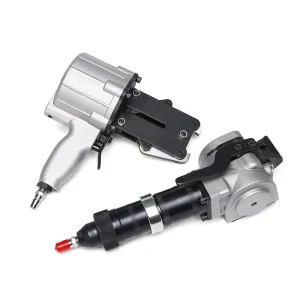
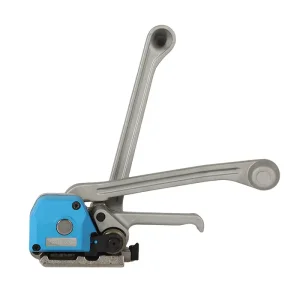
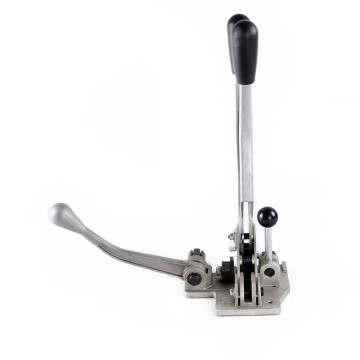
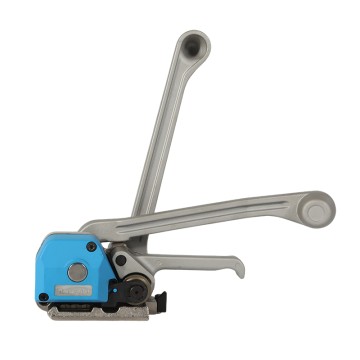
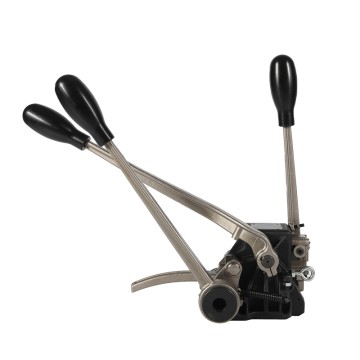
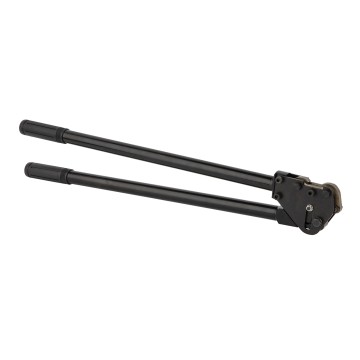
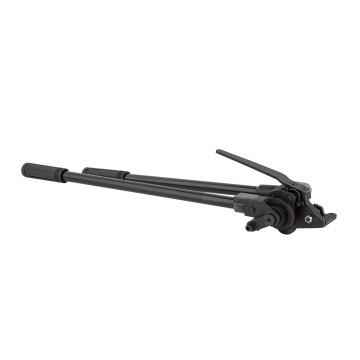
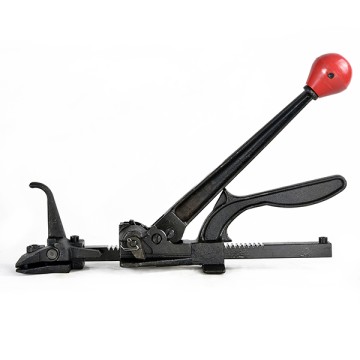
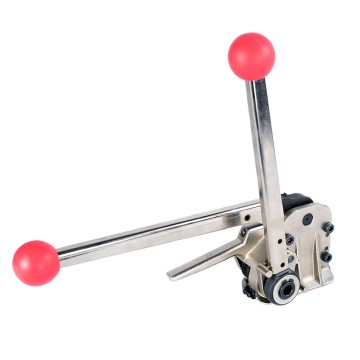
Buckle-free combination tools are broadly divided into two engineering categories based on their strapping material compatibility: steel strapping sealless lock systems and thermoplastic (PET/PP) friction weld joints. Understanding their mechanics is crucial for plant operators selecting optimal configurations:
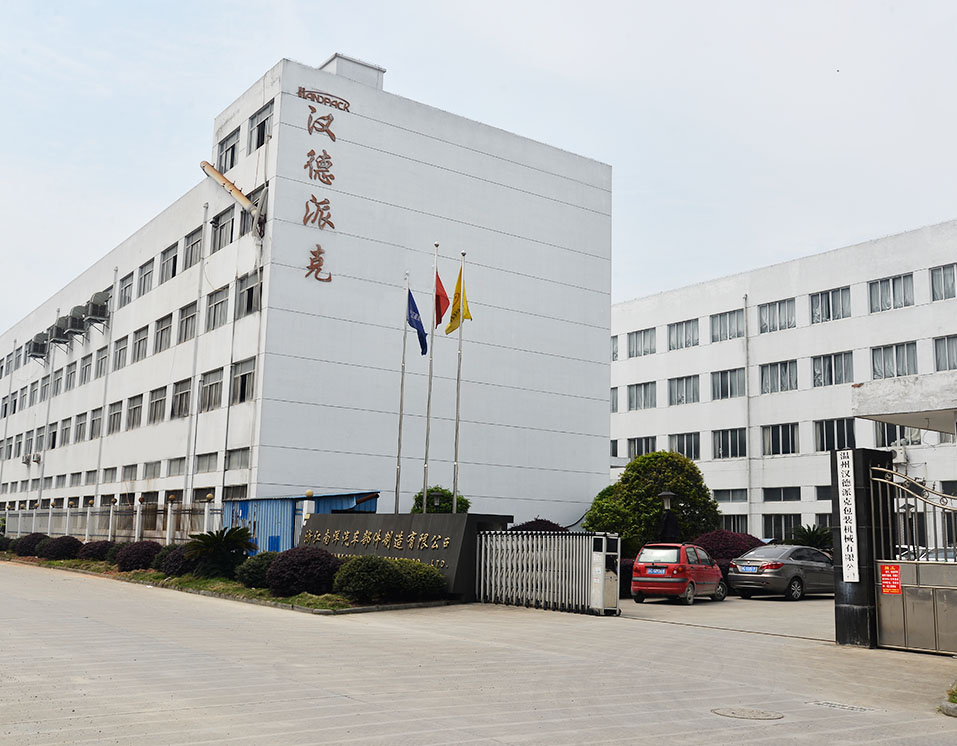
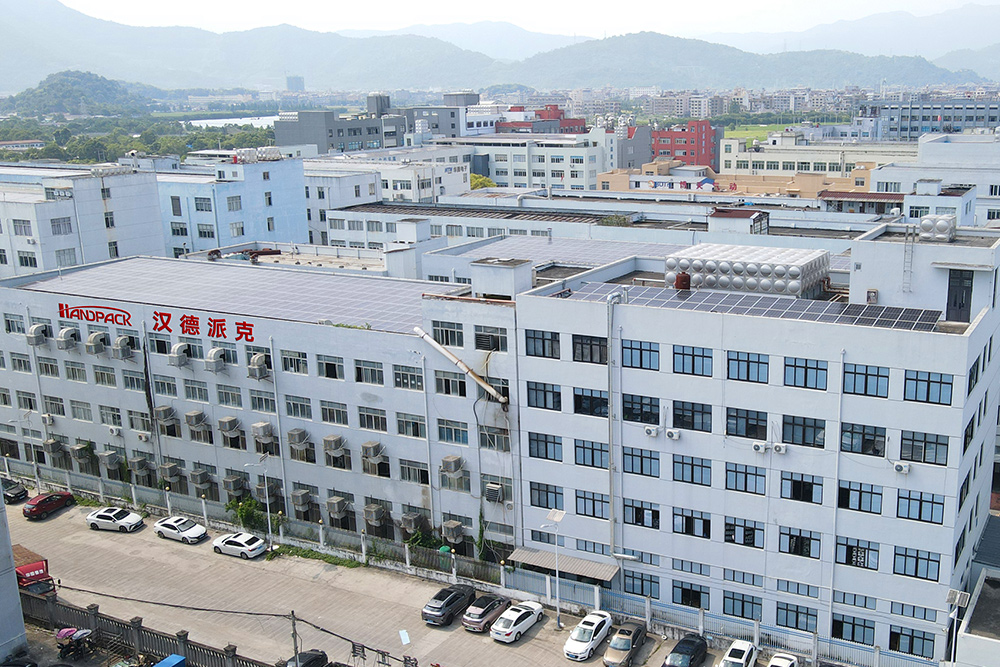
Established on March 14, 2008, Wenzhou Handpack Machinery Co., Ltd. has grown to become one of China's largest specialized handheld packaging machinery manufacturers. Situated within the Tiancheng Industrial Park, Yueqing City, Wenzhou, the company spans an expansive factory footprint of 12,535 square meters.
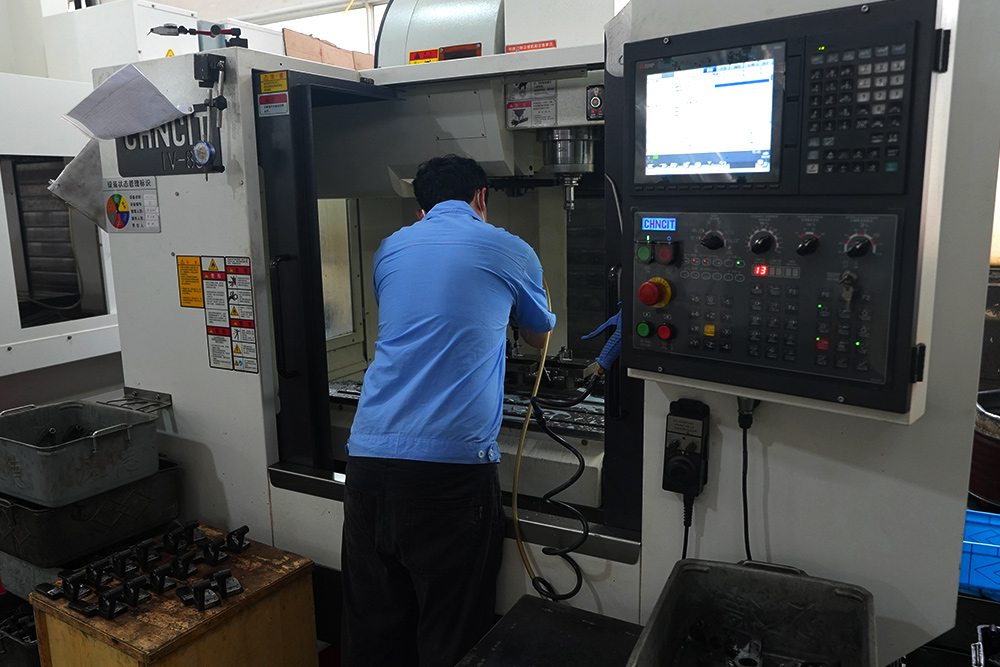
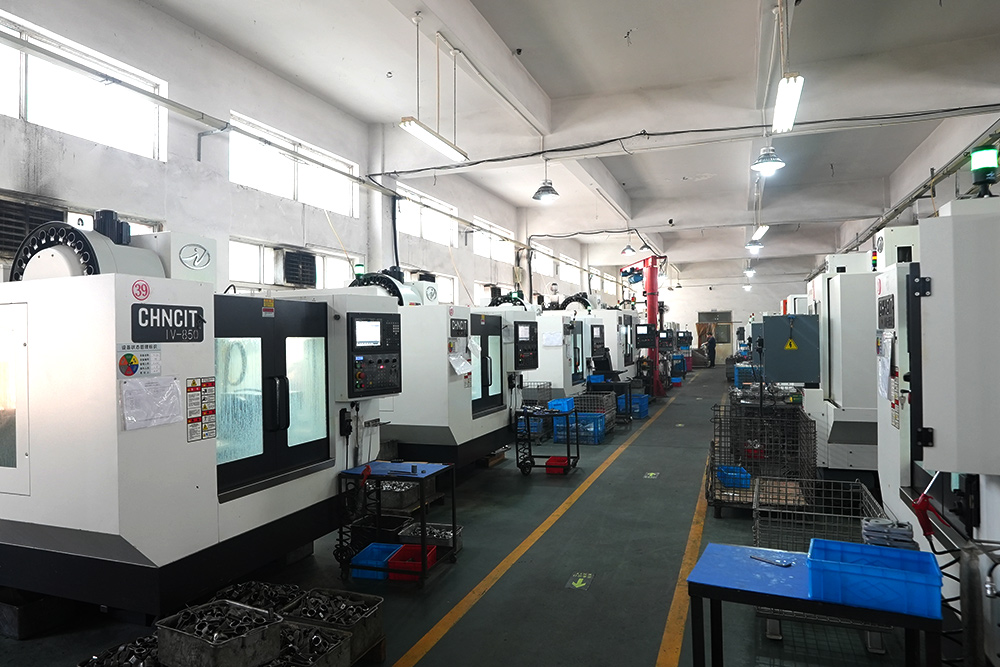
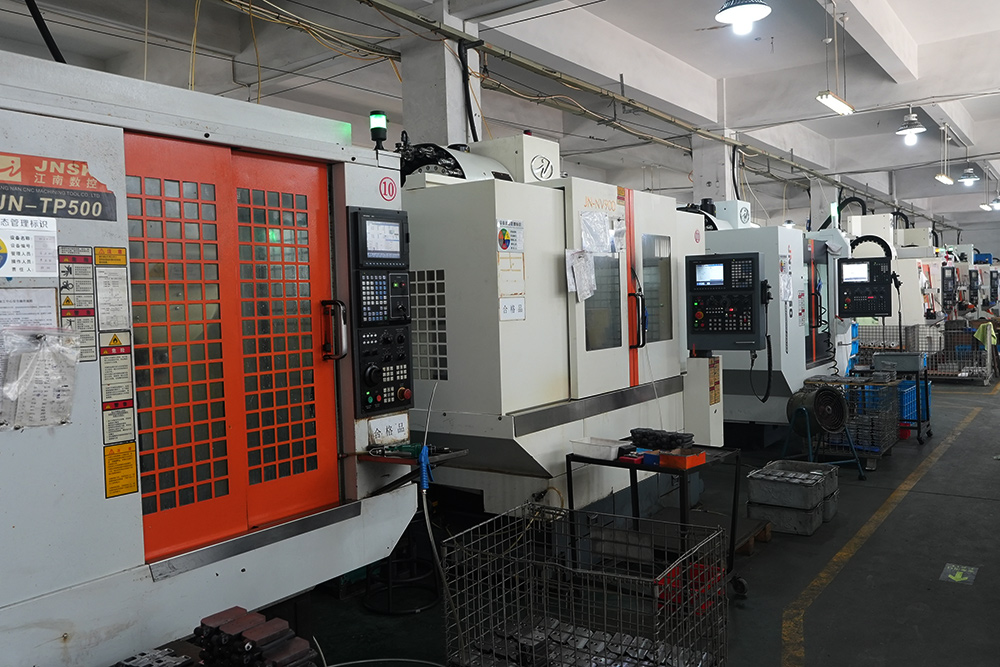
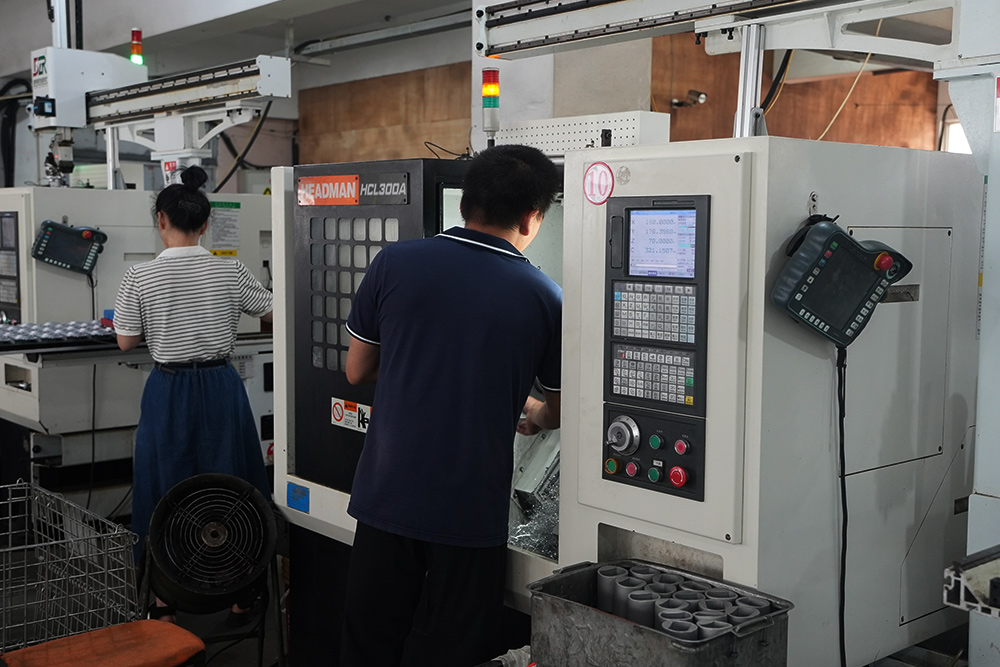
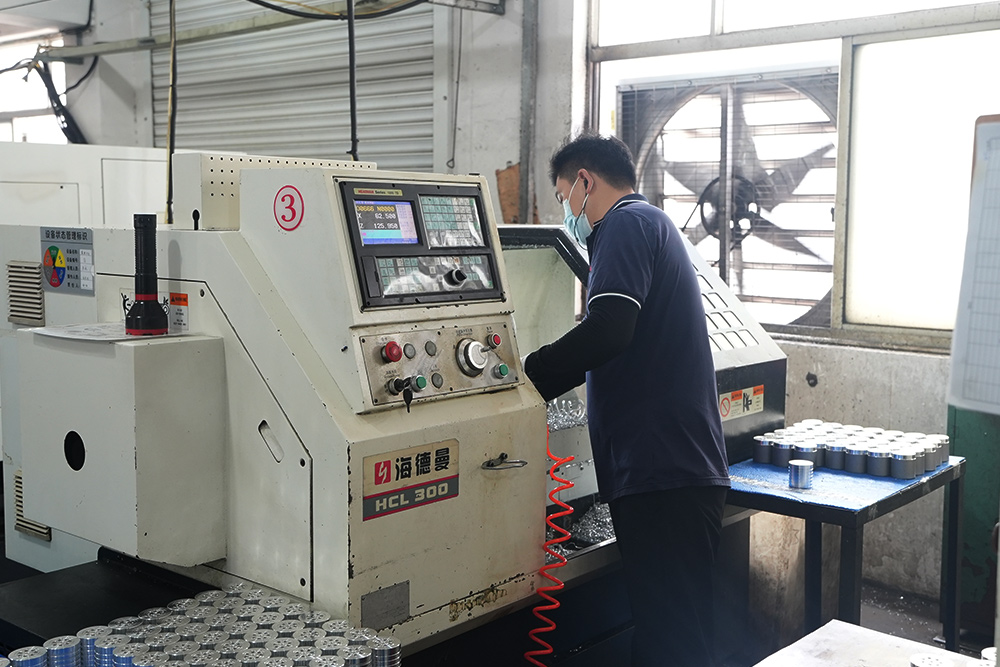
Handpack focuses exclusively on the design, engineering, R&D, and global supply of portable strapping tools. Utilizing fully computerized numerical control (CNC) machining centers, Handpack guarantees structural consistency and high-precision assembly for all its internal components—critical factors in tools subjected to thousands of Newtons of daily tension.
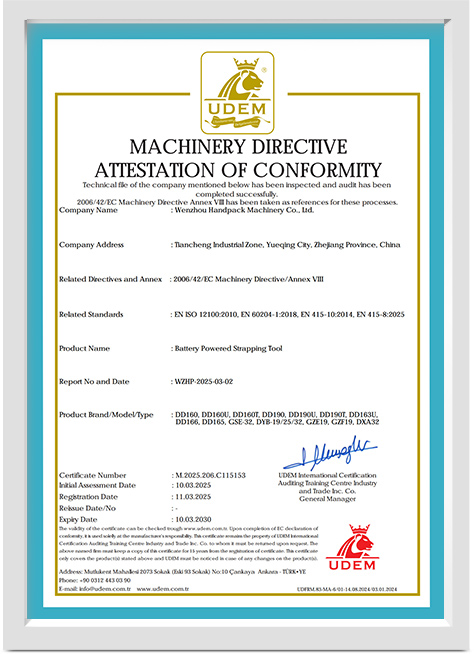
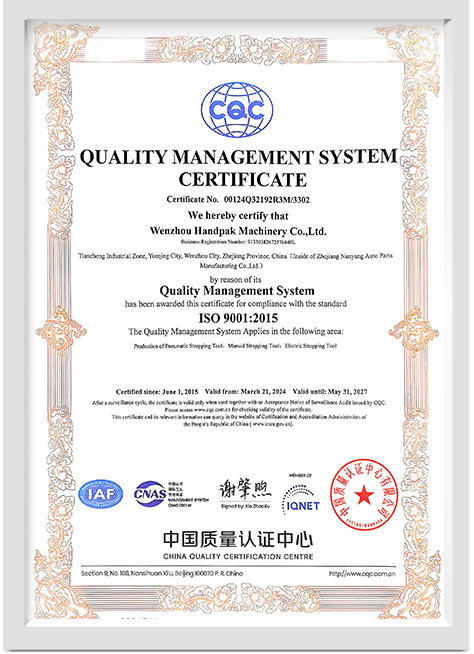
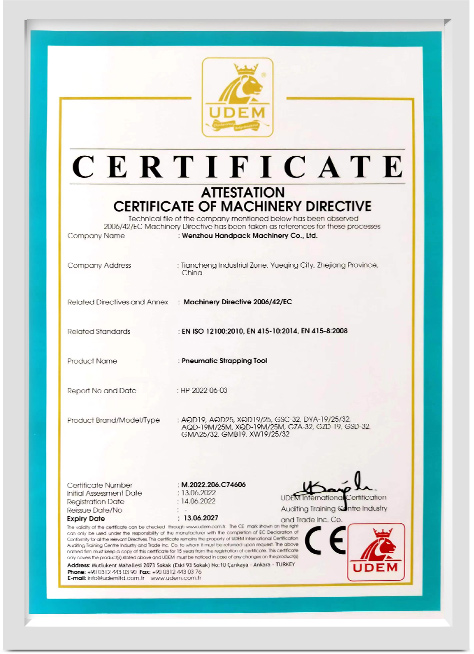
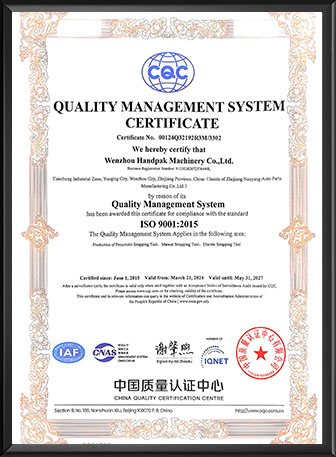
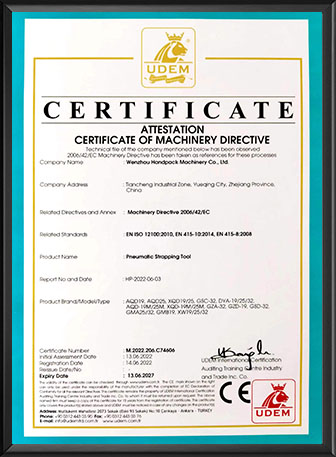
With long-term technical exchanges and strict adherence to the ISO9001 international quality system standards, Handpack products possess verified CE compliance, making them preferred choices across European, American, and Asia-Pacific industrial networks.
Helping enterprises take off with every bit of packaging strength, securing cargo integrity globally.
Honesty forever, trust in the future. Constructing transparent partnerships with international industrial distributors.
Pursue value, create value, and realize value for both our internal workforce and global client base.
Innovation, integrity, pragmatism, and high efficiency embedded in our product design and engineering workflows.
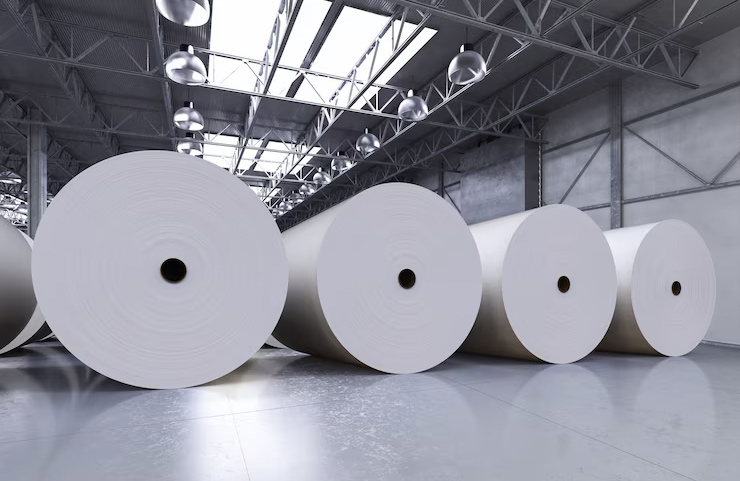
In the paper mill production cycle, finished rolls and high-stack corrugated sheet pallets require constant compression hold without edge indentation. Combination battery-operated tensioners perform high-tensile strap friction welds that adapt perfectly, maintaining the packaging profile without applying crush force.
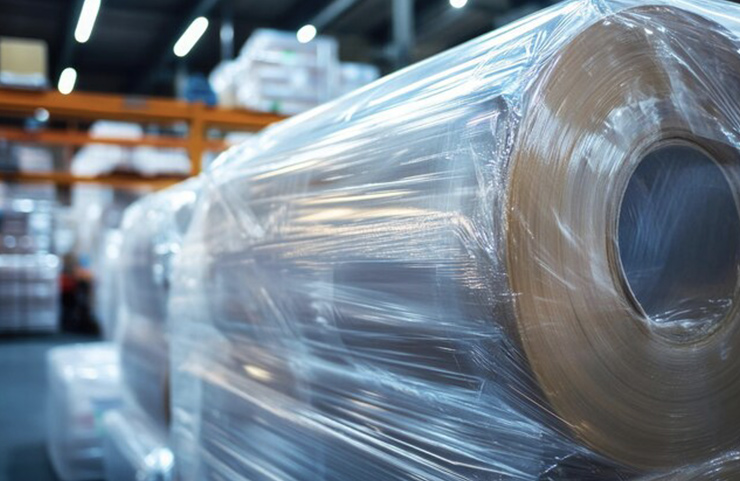
Heavy extrusion profiles and hot aluminum ingots are packaged under high-temperature environments. Using sealless pneumatic combo steel tools (like the GM19) guarantees a direct mechanical crimp that never fails, even when exposed to high radiant heat.
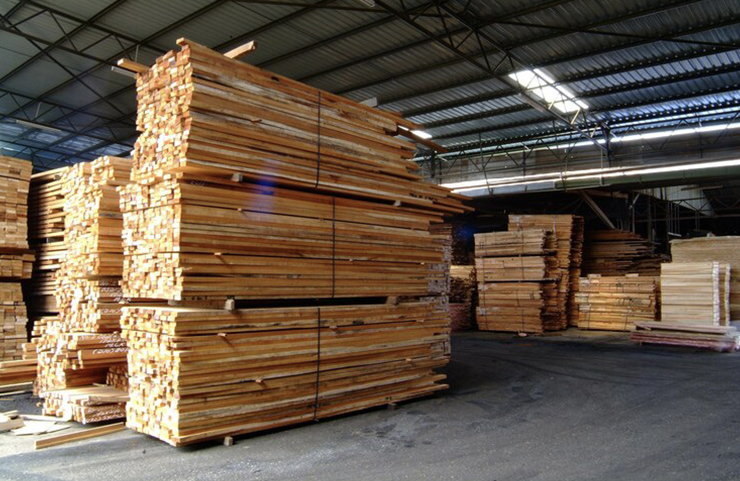
Green lumber and processed wood boards experience continuous drying shrinkages, causing straps to loosen. High-tension combo tools like the SD500 allow operators to rapidly apply strap tension to accommodate log shifting during transit.
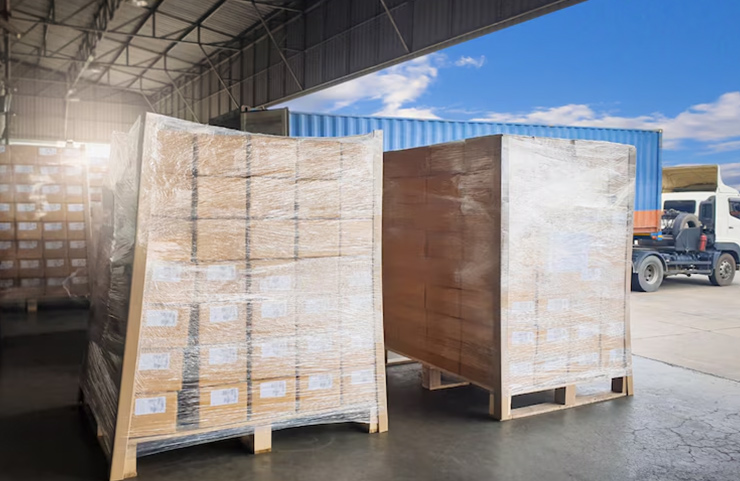
Heavy export machinery crating relies on secondary perimeter structural reinforcement. Sealless tools punch steel bands flush against the wooden crate frame, avoiding protruding buckle heads that could rip canvas tarps or damage forklift masts.
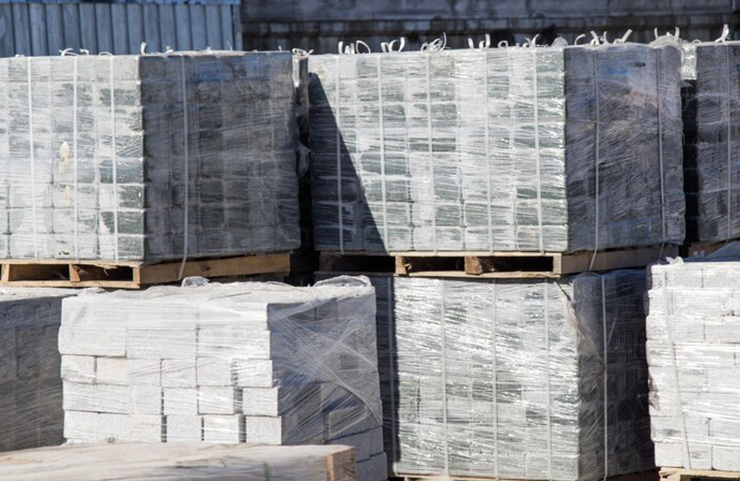
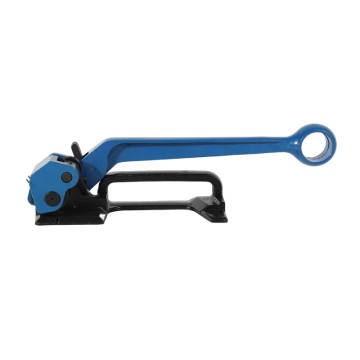
Granite blocks and quartz slabs are highly abrasive and heavy. Handpack’s high-strength manual and battery-operated tools apply secure tension loads, guaranteeing stable movement on rough road transits without slippage.
As the packaging sector moves toward automation and low-carbon operation, the design of buckle-free combo tools is undergoing a profound shift. Handpack is investing in a strategic product roadmap focused on:
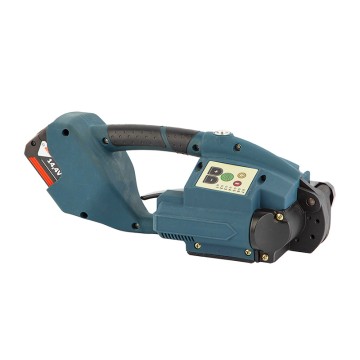
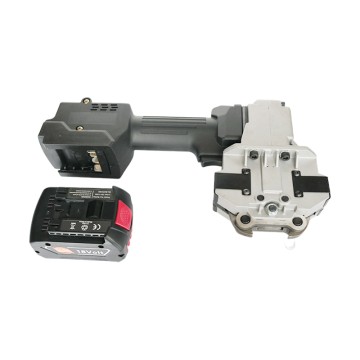
Legacy pneumatic tools require a constant, localized compressed air infrastructure, limiting their mobility. Handpack is replacing carbon brush motors in models like the DD160 with brushless configurations powered by intelligent BMS (Battery Management System) lithium batteries. This ensures over 400 strapping cycles per charge while delivering consistent friction welding temperatures down to the last volt.
Future iterations of Handpack tools will feature real-time pressure sensor feedback. Rather than relies on manual operator judgement, digital control interfaces will allow pre-sets for exact Newton values. This eliminates over-tensioning risks in delicate substrates (e.g., carton edges) and ensures identical tension across multi-pack lines.
The mechanical wear on sealless punches remains an operating challenge. By integrating advanced tungsten carbide and structural alloy dies, Handpack has lengthened the maintenance intervals of its cutting mechanisms by 40%, lowering total cost of ownership (TCO) for packaging lines.
With advanced processing technology, complete quality control, and testing facilities, Handpack operates advanced CNC machinery to construct components. This ensures dimensional accuracy, providing steady structural performance under extreme cargo loads.
A1: The primary cost advantage lies in eliminating the consumable expense of metal buckles/seals. Over high-volume packaging cycles, purchasing thousands of seals adds significant operational cost. Sealless tools also reduce total cycle times by allowing a single operator to perform tensioning, locking, and cutting without shifting tools, optimizing throughput.
A2: A properly executed sealless mechanical lock (using a triple-notch punch) achieves a joint efficiency of approximately 75% to 80% of the steel strap's total breaking strength. This matches or exceeds the load efficiency of traditional metal seal joints, which can experience strap slippage if the seal is crimped incorrectly.
A3: Yes, most battery-powered combo tools (such as the DD160 and DD190 series) feature adjustable parameter boards. Since PET requires higher tension and a slightly longer friction weld cooling time compared to PP, operators can fine-tune tension force and weld durations directly on the tool interface to match the material.
A4: Because buckle-free steel strapping tools rely on physical punch-cuts, the locking dies and cutting blades are subject to wear. We recommend cleaning metal debris from the feed wheel and cutter housing daily using compressed air. The cutting blade and dies should be inspected for edge rounding every 10,000 cycles and replaced or adjusted as needed to prevent incomplete cuts.
A5: Handpack manufactures all critical load-bearing parts inside our CNC machining center. By maintaining internal control over tolerances and heat-treatment parameters, we ensure the structural integrity of tension shafts, welding pads, and cutter blocks, meeting ISO9001 and CE conformity requirements.
 Handpack