Engineered for secure industrial unitization, structural packaging integrity, and dynamic transport conditions.
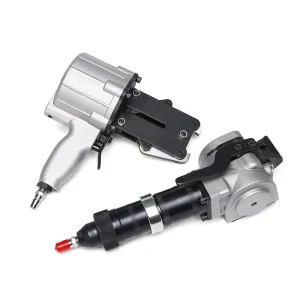
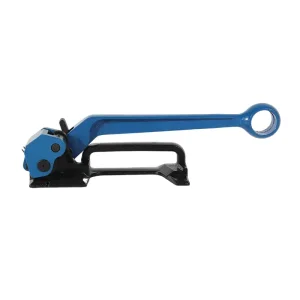
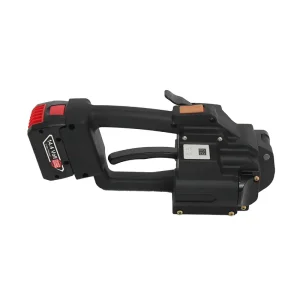
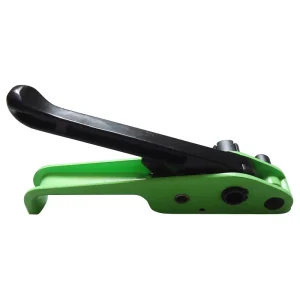
The global logistics and heavy industrial manufacturing sectors have undergone intense changes over the last decade. As supply chains adapt to just-in-time manufacturing models, the demand for modular, reliable, and swift end-of-line packaging has surged. Handheld banding tools have emerged as an indispensable tier of utility. They bridge the gap between large, capital-intensive automated inline strapping arches and manual, low-output packing stations.
Globally, logistics terminals, construction material factories, metal processing plants, and paper manufacturers require strapping tools that minimize operational fatigue while maximizing joint strength efficiency. The industry is witnessing a significant transition from traditional heavy steel strapping to high-tensile polyester (PET) and polypropylene (PP) bandings, primarily due to cost reduction, safety enhancements, and recycled-plastic initiatives. Correspondingly, electric battery-operated and pneumatic handheld tools are rapidly expanding their footprint, driving growth across North American, European, and Asia-Pacific industrial markets.
A rigorous engineering comparison of the core operating mechanisms utilized in heavy packaging environments.
| Tool Class | Propulsion Type | Ideal Strap Material | Max Tension Force (N) | Joint Efficiency | Typical Applications |
|---|---|---|---|---|---|
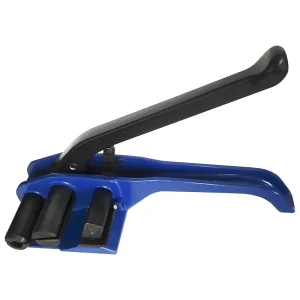
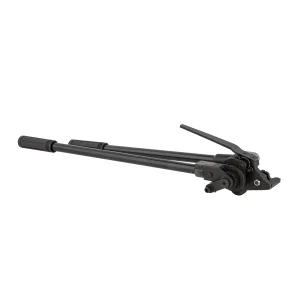
| Manual Tensioner (e.g., SD500) | Mechanical Leverage | Fiber Cord / Woven Strapping | Up to 9,000 N | Depends on buckle / seal | Timber, heavy machinery, cargo securing in containers |
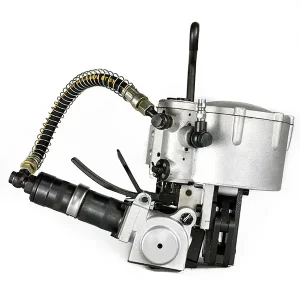
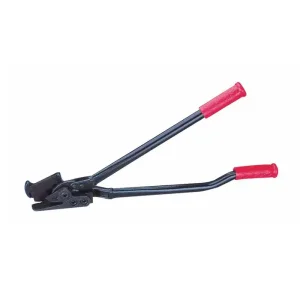
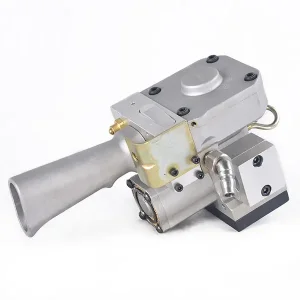
| Pneumatic Tool (e.g., GZA32) | Compressed Air (6-7 Bar) | High-Tensile Steel | Up to 15,000 N | Dual notch metal seal | Primary metals, steel pipe bunding, heavy duty aluminum profile coils |
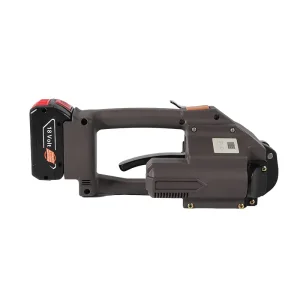
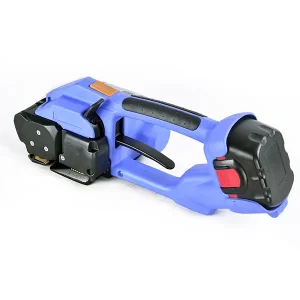
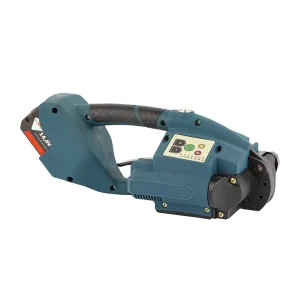
| Electric Tool (e.g., DD190U) | Li-ion Battery / Brushless Motor | Polyester (PET) / Polypropylene (PP) | Up to 4,500 N | 80-85% (Friction welding) | Paper manufacturing, wood processing, electronics, brick kilns |
Analyzing how industrial ecosystems and localized manufacturing dynamics generate value for global enterprises.
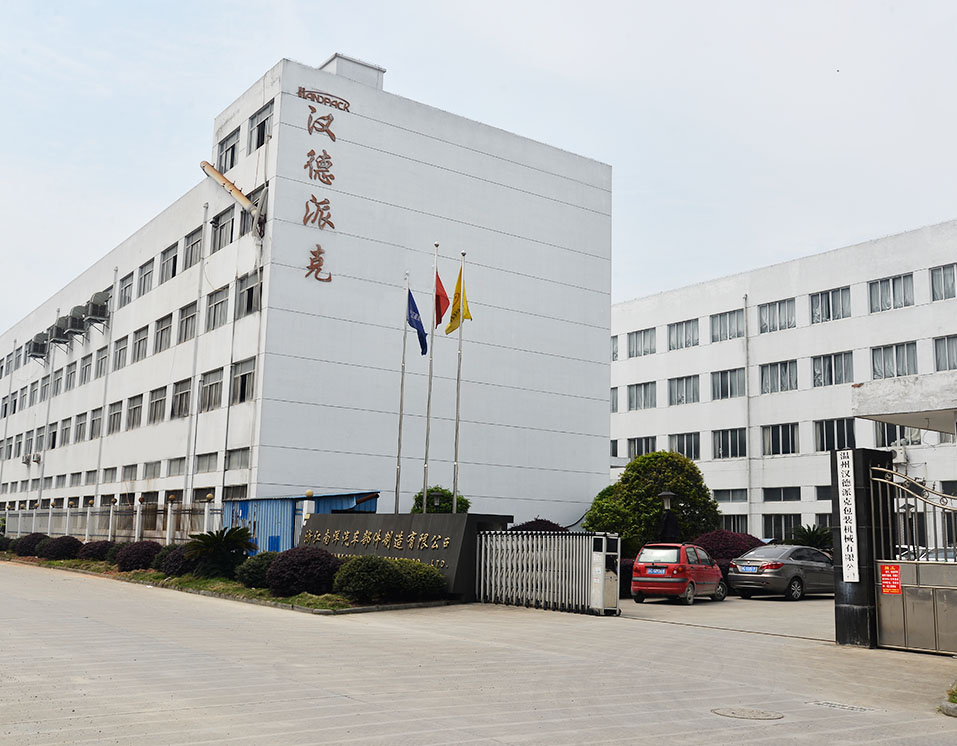
Wenzhou Handpack resides in Tiancheng Industrial Park, Yueqing, directly leveraging one of China's most dense electrical and mechanical component manufacturing hubs. This localization minimizes material transit lead-time and accelerates custom component prototyping.
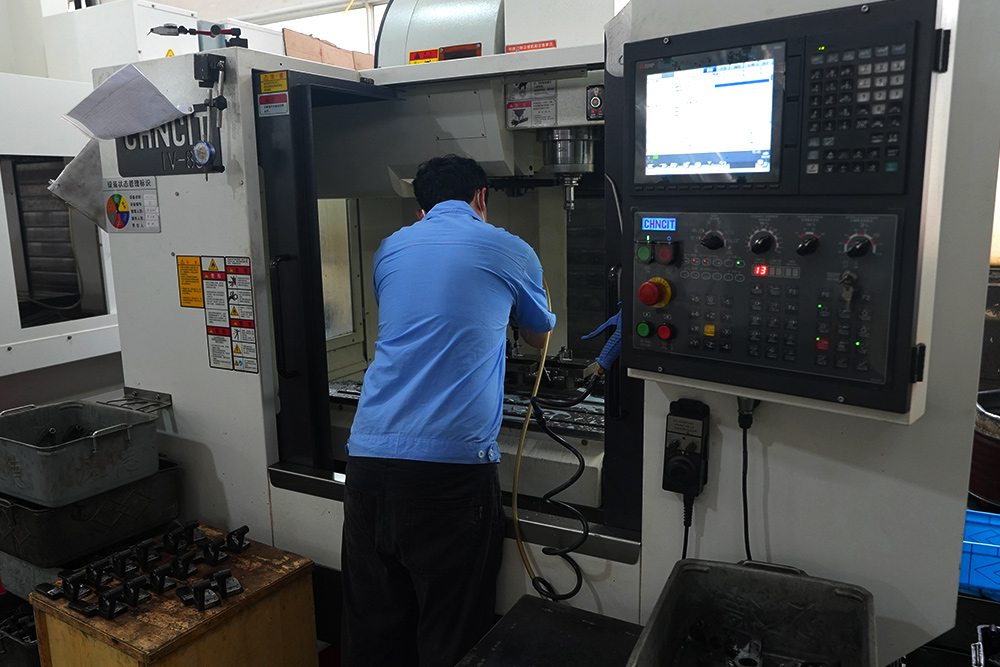
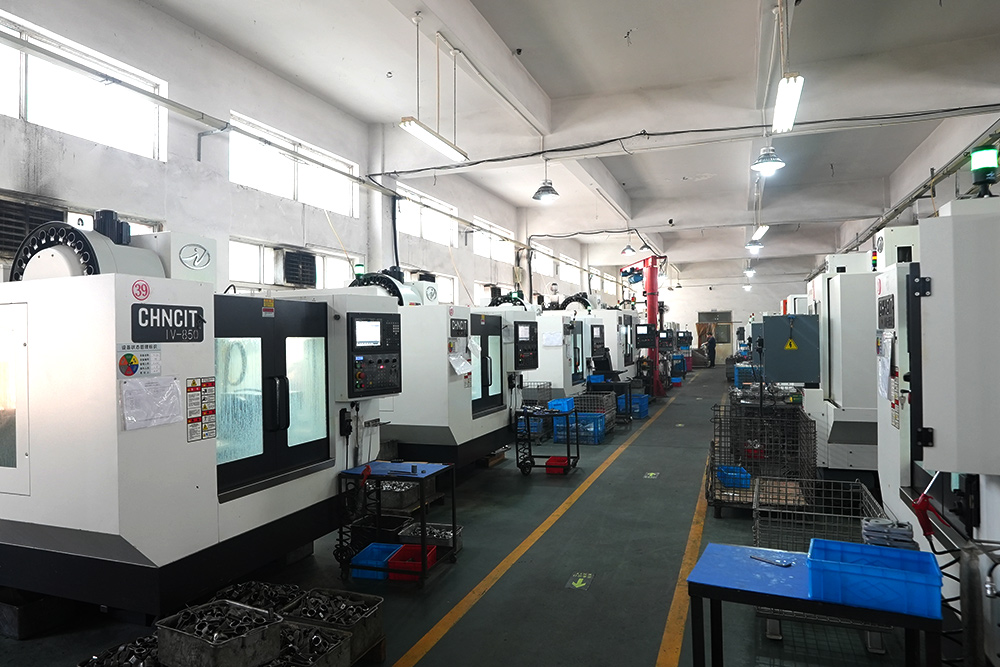
Unlike factories relying on outsourced casting components, Handpack employs highly sophisticated CNC (computerized numerical control) machining centers. Every tensioning wheel, cutter assembly, and motor drive-shaft is micro-milled internally for exact compliance.
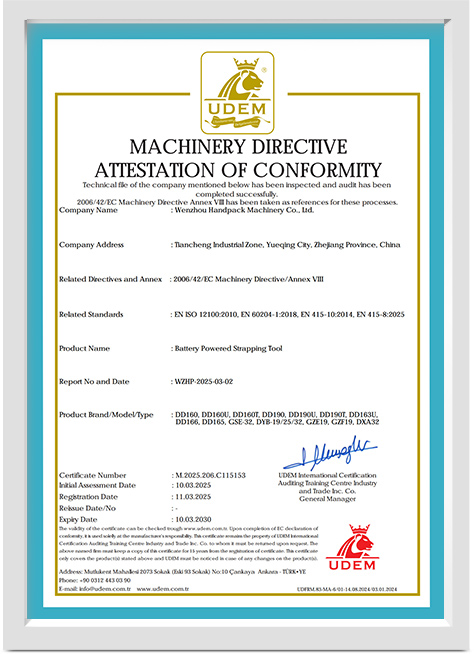
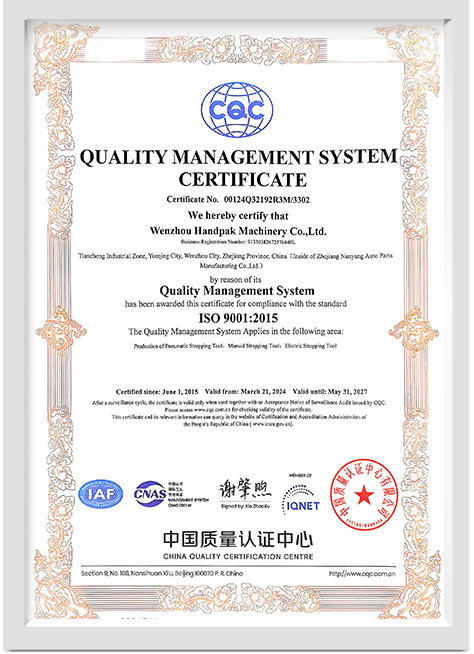
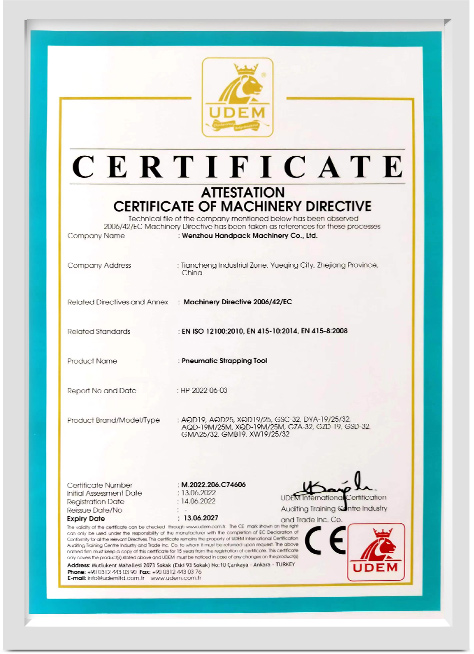
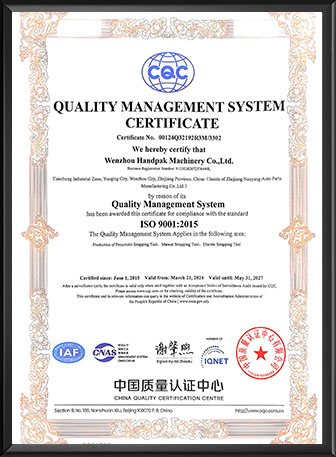
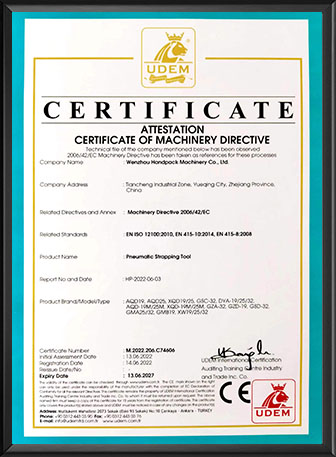
Through rigid compliance with ISO9001 and European CE standard mandates, the factory features specialized quality test cells. Every pneumatic cylinder, battery pack, and high-tension gear is cycle-tested beyond nominal industrial tolerances.
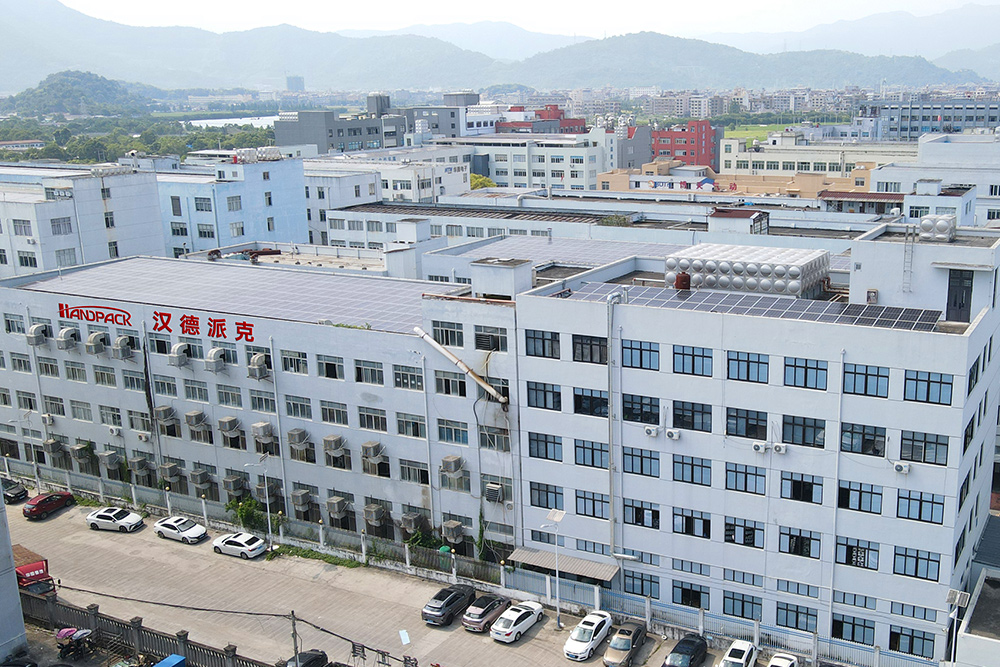
Established on March 14, 2008, Wenzhou Handpack Machinery Co., Ltd. has evolved into a premier developer and manufacturer of professional handheld packaging machinery. Spanning a modern production infrastructure of 12,535 square meters, our facility is engineered specifically for the development, assembly, and quality assurance of manual, pneumatic, and energy-storage electric strapping machines.
Adhering to the corporate philosophy of "Pursue value, create value, and realize value", Handpack integrates engineering expertise with streamlined manufacturing. Our R&D capabilities are bolstered by close technological exchange with global tool designers, ensuring our equipment continuously satisfies emerging industrial constraints. Today, Handpack tools operate on shipping docks, packaging lines, and production floors in over 60 countries, setting high standards for reliability, safety, and longevity.
Explore our optimized fabrication process, machining centers, and high-performance testing zones.
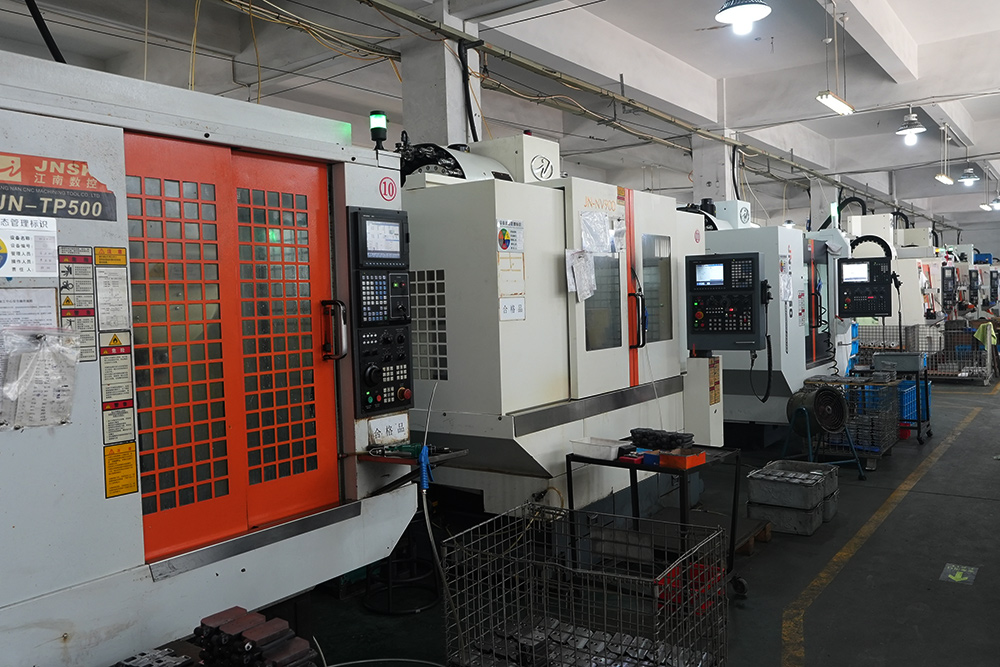
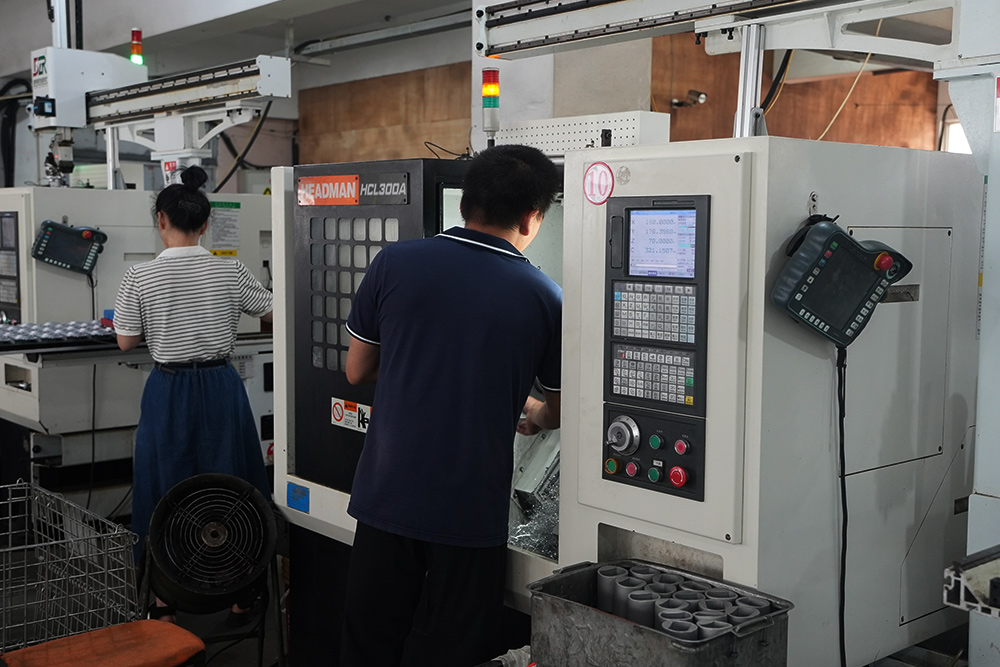
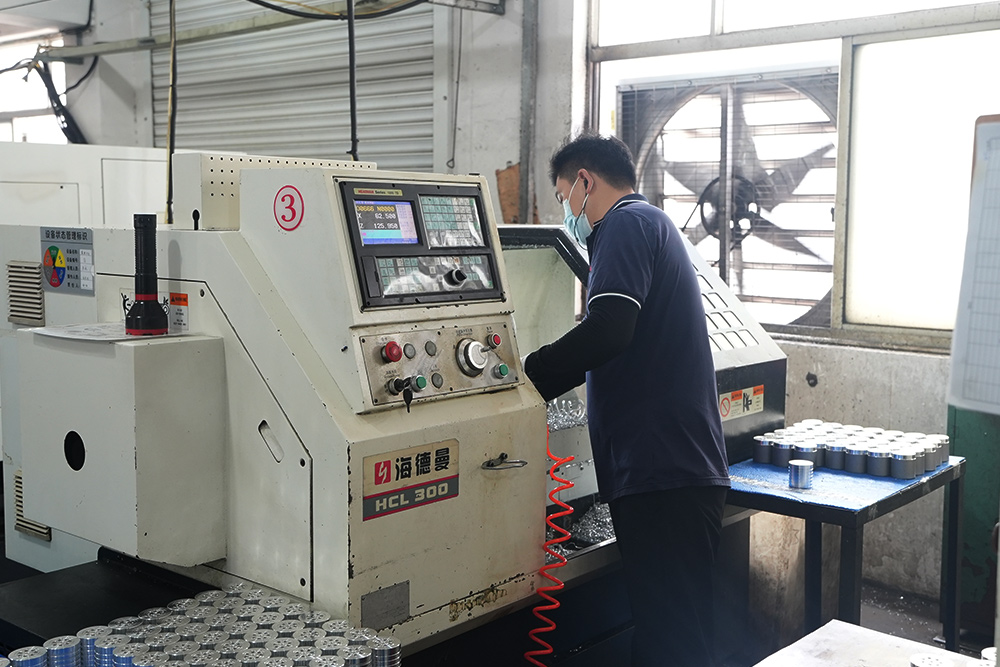
How Handpack handheld systems are configured for specialized tasks across multiple raw material sectors.
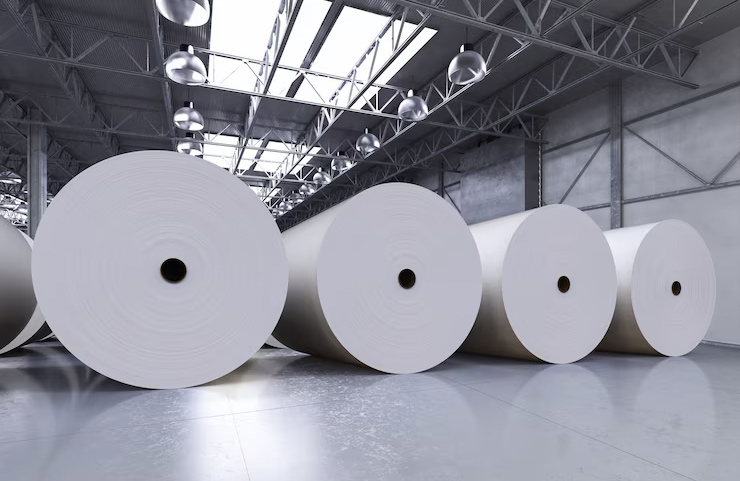
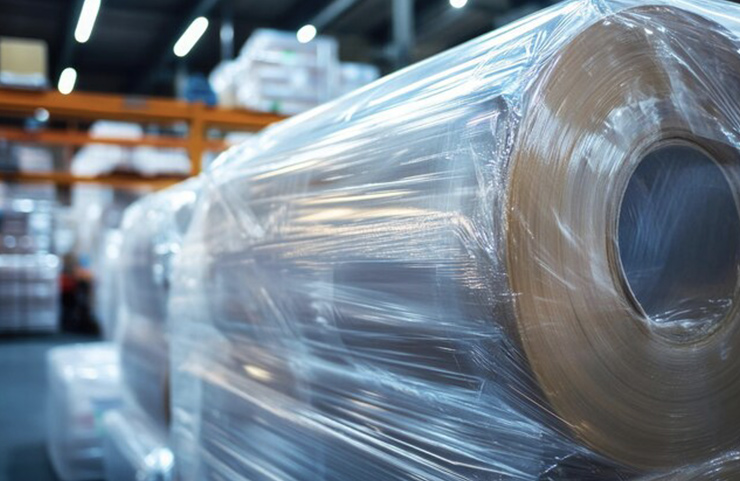
Our tools play a key role in paper manufacturing. They bundle large paper rolls, secure finished boxes, and consolidate waste paper bales for recycling without marring or crushing the product edge profiles.
Designed to secure heavy and sharp-edged aluminum ingots, extrusions, and heavy coils. Our pneumatic tensioners maintain structural strap tension despite thermal shifts and harsh logistics environments.
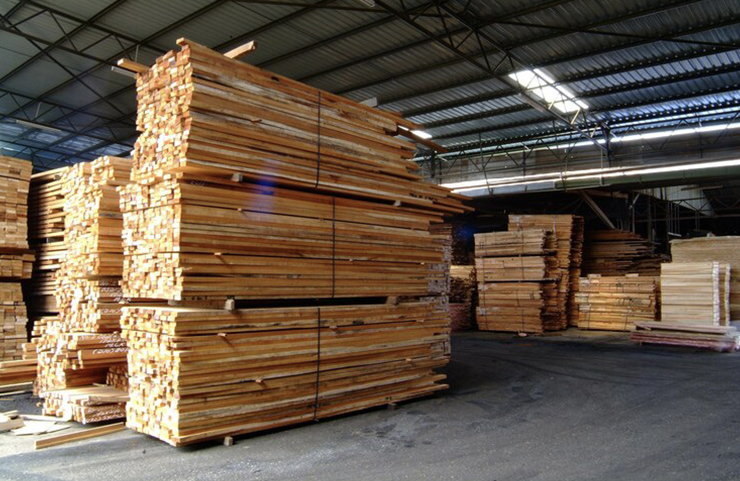
From green logs and timber bundles to compressed MDF boards and wooden pallets, our manual and battery tools sustain strap tension despite natural settling, shrinkage, or thermal variance.
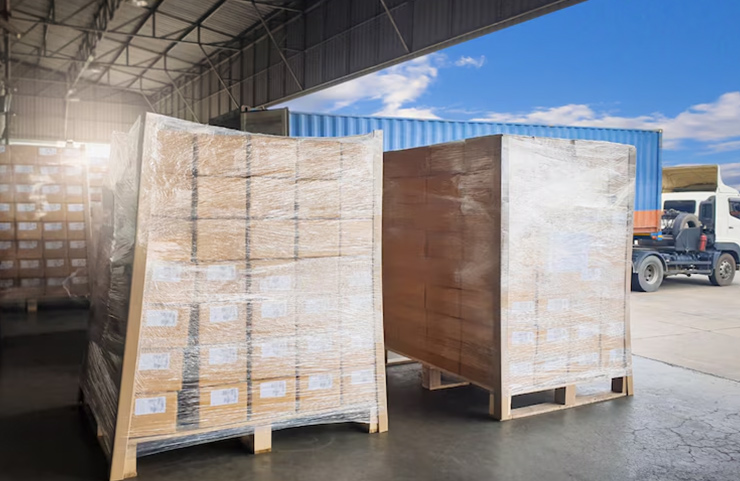
Provides critical perimeter reinforcement for high-weight crates and custom equipment boxes. This serves as a vital safeguard alongside traditional fasteners during maritime or intermodal freight transit.
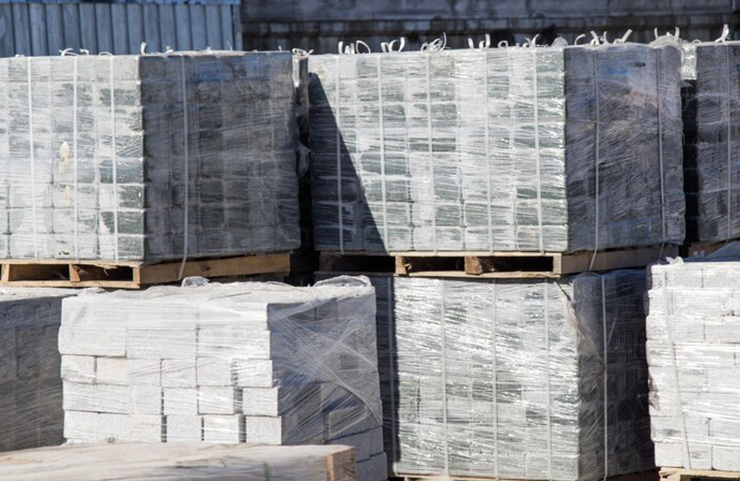
Replaces dangerous steel wire and chains with high-strength composite fiber or PET strapping. It secures marble slabs, granite countertops, and paving blocks, minimizing transit breakage.
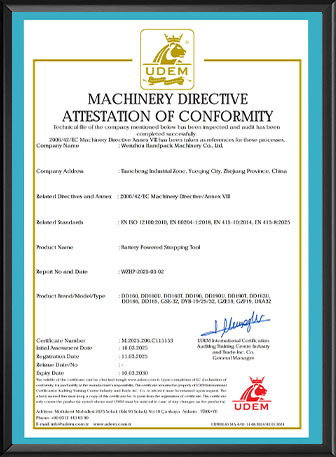
Our commitment to international quality management systems and CE conformity is validated by authorized organizations.
For procurement directors and supply chain VPs, purchasing handheld packaging equipment requires careful consideration of both immediate cost and long-term performance. The total cost of ownership (TCO) of these tools is dictated by wear-part durability, battery lifecycle costs, and availability of replacement parts. Our advisory highlights three primary procurement categories:
1. Material Match & Tension Ratings: Ensure the tooling matches the dynamic load characteristics of the cargo. Steel mill products require the extreme tension capabilities of tools like the GZA32 (pneumatic steel strapping), whereas distribution and pallet packaging center around high-tension friction welding of PET/PP bands via systems like the DD190U.
2. Ergonomics & Safety: The physical weight of the tool and its balance point directly affect operational efficiency and reduce repetitive strain risks. Selecting models with ergonomic handles and simplified controls helps maintain consistent packing speeds.
3. Spare Parts & Maintenance Access: High-performance tools wear down over time. Tensioning wheels, welding plates, and cutters are considered high-wear components. Leading suppliers like Wenzhou Handpack ensure standard components are CNC-milled to exact tolerances, allowing for easy drop-in replacement that avoids extended line downtime.
How digital integration, advancements in battery technology, and smart operations are shaping the future of packaging lines.
Next-generation strapping systems are integrating Bluetooth and industrial Wi-Fi modules. This allows managers to track real-time tension levels, seal joint efficiency, and operation cycles directly on their dashboard.
By transitioning from carbon brushed to brushless DC motors, modern tools significantly reduce maintenance needs. This design cuts operational heat, increases torque output, and extends battery life.
By utilizing advanced polymers, carbon fiber, and reinforced plastics, developers are trimming tool weight without sacrificing drop protection. This helps reduce repetitive strain injuries for operators.
Detailed technical answers addressing core considerations in equipment selection, maintenance, and operation.
Engineered to ensure pack security, load stability, and long-term durability in tough conditions.
 Handpack