 Handpack
The Evolution of Battery Powered & Plastic Strapping in Costa Rica
As Latin America's beacon of sustainable development and high-value technological exports, Costa Rica has witnessed a major paradigm shift in packaging logistics. Industries throughout the nation, spanning from the agricultural lowlands of Limón and Alajuela to the high-tech Free Trade Zones (FTZs) in Heredia and San José, are systematically replacing legacy manual strapping operations with high-efficiency, battery-powered systems. This transition is not merely a convenience upgrade but a critical response to the global demand for rigid cargo securing, reduced operational cycles, and eco-friendly carbon-neutral raw materials.
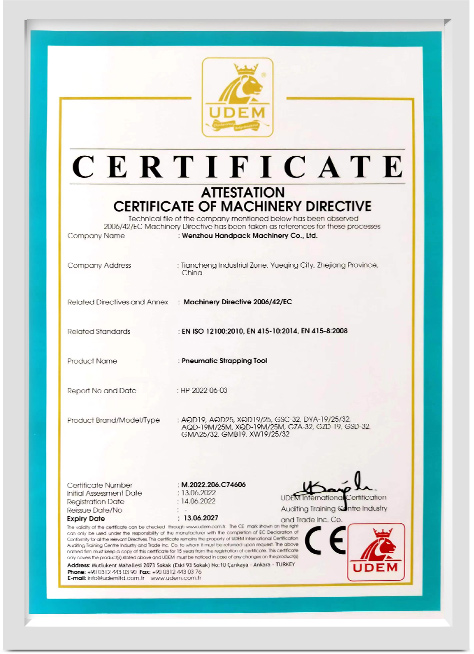
Historically, securing heavy steel coils, wood lumber, fresh produce pallets, and high-precision electronic goods required distinct manual processes with steel wire or heavy-gauge manual sealers. These setups presented significant occupational hazards, irregular tension distribution, and high carbon footprints. Wenzhou Handpack Machinery Co., Ltd., capitalizing on over a decade of handheld packaging engineering expertise, offers advanced battery-operated PP/PET strapping tools and plastic strap solutions that solve these exact friction points for Costa Rican manufacturers and global distributors.
Costa Rica's Industrial Landscape: The Crucial Need for Intelligent Strapping
Costa Rica’s macroeconomic strategy relies heavily on two pillars: agriculture (specifically high-yield fruit exports like pineapples, bananas, and premium coffee beans) and advanced manufacturing (medical devices, microelectronics, and precision instruments). Each of these sectors operates under tight regulatory and climatic constraints:
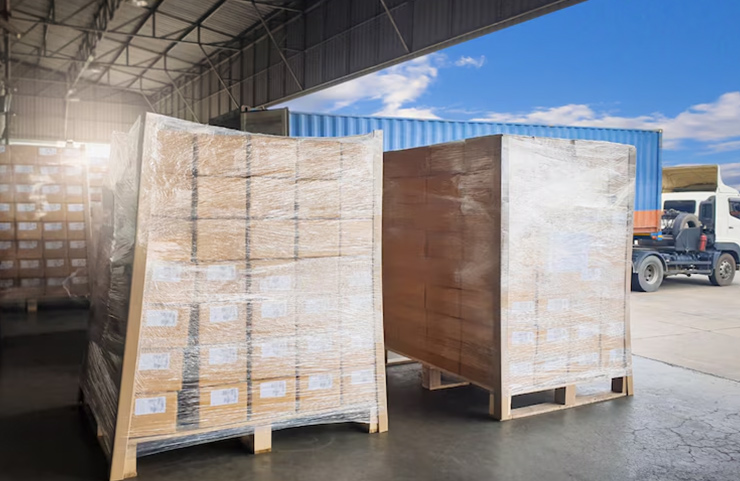
- High-Humidity Agricultural Shipping: Coastal agricultural ports, such as Puerto Limón and Puerto Caldera, expose shipping pallets to high heat and relative humidity. Traditional steel strapping rusts, contaminating packaging boxes and staining fresh cargo. Polyethylene Terephthalate (PET) and Polypropylene (PP) straps, combined with friction-welding battery tools, provide corrosion-free, long-lasting tension retention, ensuring agricultural crates survive international sea routes to European and North American markets intact.
- Strict Decarbonization Targets: Under Costa Rica's National Decarbonization Plan 2018-2050, local operations are under regulatory pressure to minimize fossil fuel waste and reduce power consumption. Battery strapping systems yield zero exhaust emissions and utilize highly recyclable polyester straps (PET), which can be integrated into circular economy workflows.
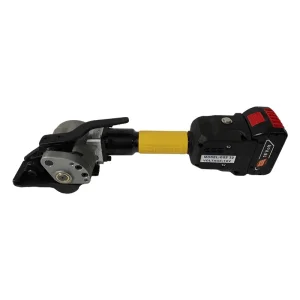
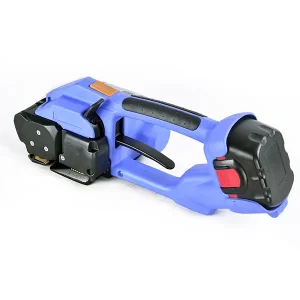
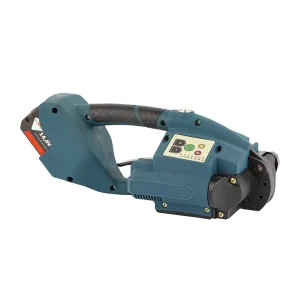
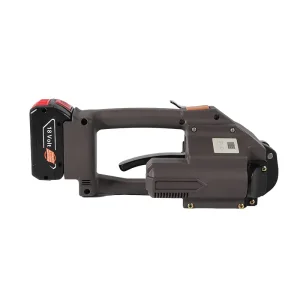
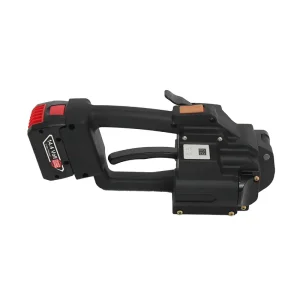
- Free Trade Zone Precision: The manufacturing zones in Alajuela and Heredia require packaging tools that match the speed of automated conveyor lines. Battery-powered tools, like the DD160 and DD190U, minimize operator fatigue, enabling a cycle time of under 3 seconds per strap with consistent tensioning force up to 4000N.
Technical Insignia: The transition from steel to PET strapping delivers up to a 50% cost savings in raw materials alone, alongside an 80% reduction in packaging-related workplace injuries due to the elimination of sharp steel edges.
Global Strapping Trends: Moving Toward Lithium-Ion and Brushless Technologies
Worldwide, the industrial packaging sector is undergoing a transformation centered on automation, portable power, and intelligent control. Wenzhou Handpack Machinery Co., Ltd. sits at the cutting edge of this development. Key global patterns driving our design philosophy include:
- Brushless DC (BLDC) Motor Integration: Modern battery-powered strapping machines utilize brushless motors. This eliminates carbon brush wear, lowers tool temperature during high-intensity usage, and raises operational efficiency, extending the runtime per charge by up to 30%.
- Smart Tensioning Control Systems: Industry 4.0 demands precision. Modern systems feature digital touchscreens allowing operators to input specific tension force (N) and welding times. This ensures delicate packages (like paperboard or electronic components) are not crushed, while heavy structural materials receive maximum tension.
- Friction Welding Optimization: Modern friction-weld seals achieve up to 85% of the raw strap's tensile strength without requiring metal buckles or joints. This saves on consumables and ensures the seal will not slip under extreme transit dynamics.
Comparative Matrix: Material Selection and Tool Synergy
| Strapping Type | Tensile Capacity | Best Use Case | Recommended Handpack Tool |
|---|---|---|---|
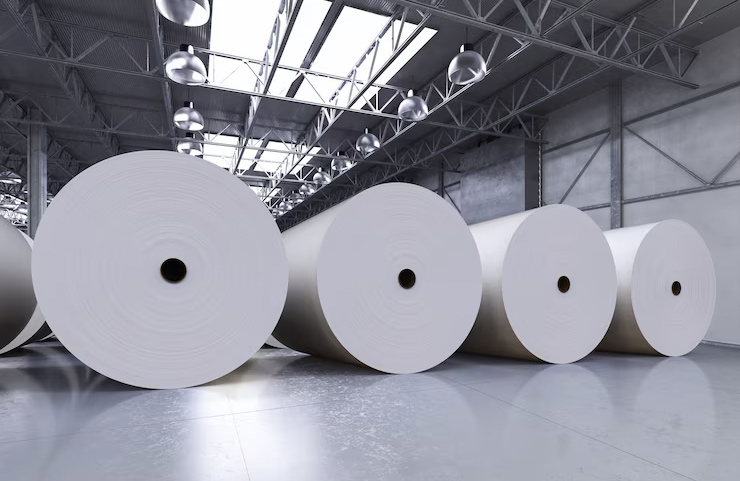
| PP (Polypropylene) | Light to Medium (up to 2500N) | Carton sealing, light palletizing, paper bundle exports | DD163U / DD160T |
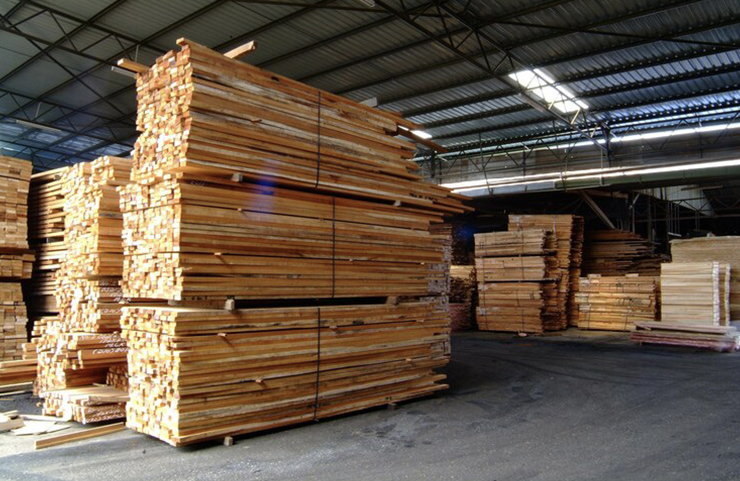
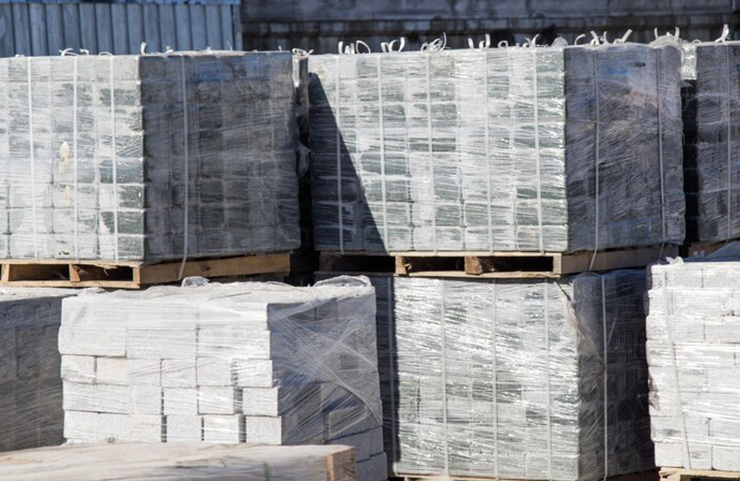
| PET (Polyester) | Heavy Duty (up to 4500N) | Lumber, metal profiles, high-density brick/stone pallets | DD190U / DD190T |
| Steel Strapping | Ultra Heavy Duty (6000N+) | Hot-rolled steel coils, heavy industrial casting | GSE32 (Electric Tensioner) / GSC32 |
Our Future Technical Roadmap (2025-2030)
To continue serving the demands of international trade and supply chain partners, our engineering facility in Wenzhou operates under a strict R&D timeline focused on:
- IoT-Enabled Tool Performance Tracking: Equipping battery tools with Bluetooth modules to record strap counts, tension values, and battery health, facilitating predictive maintenance for fleet managers.
- Next-Generation Lithium-Ion Cells: Incorporating smart battery management systems (BMS) with quick-charge protocols, achieving a full charge in under 45 minutes and up to 800 strapping cycles per charge.
- Hybrid Sealless Friction Systems: Refining jaw alignment geometries to ensure optimal weld efficiency with bio-based, compostable strapping materials currently in development.