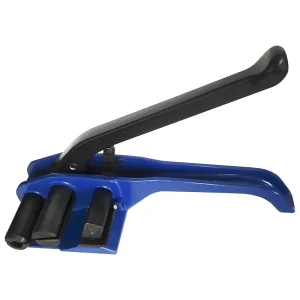
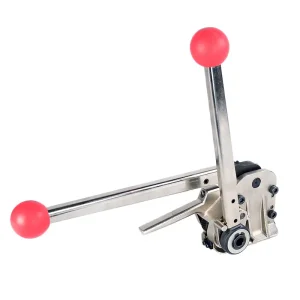
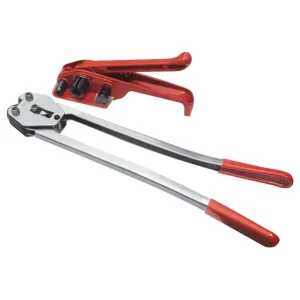
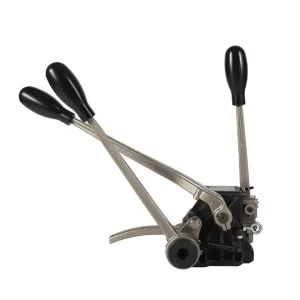
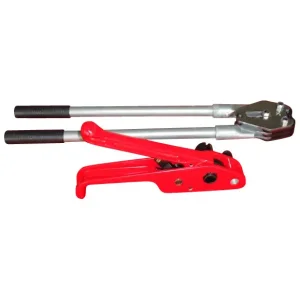
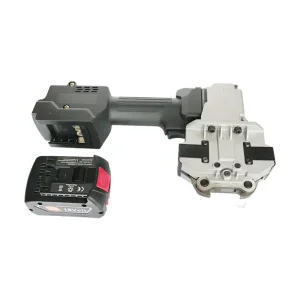
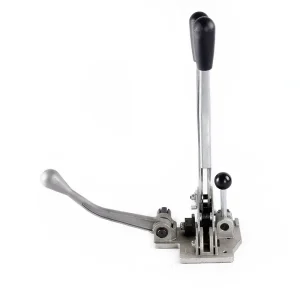
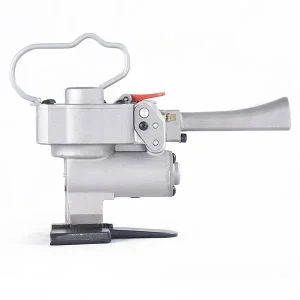
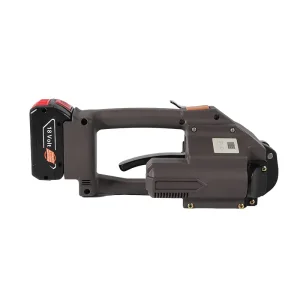
Industrial grade manual packaging solutions optimized for demanding West Coast load dynamics.
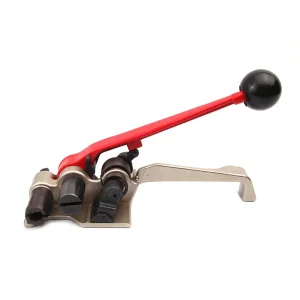
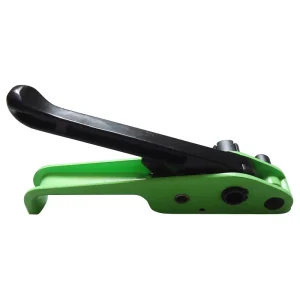
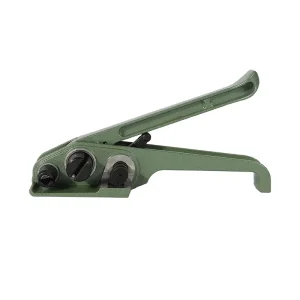
As a primary gateway of global trade in the Pacific Northwest, the Seattle-Tacoma-Bellevue metropolitan area represents a sophisticated node of manufacturing, aerospace technology, deep-water logistics, and timber extraction. Securing multi-ton cargos within this dynamic geography demands strapping systems that transcend consumer-grade durability. Heavy industrial shipments moving through the Port of Seattle and the Northwest Seaport Alliance face intense multi-axial vibrations, atmospheric moisture fluctuations, and steep gradients of coastal transit routes.
In the aerospace cluster of King and Snohomish counties, the securing of structural components, composite sheets, and fuselage assemblies requires non-destructive yet ultra-high-tensile restraint systems. This is where polyester fiber cord strapping has rapidly overtaken traditional steel banding. High-strength fiber strapping displays exceptional elastic recovery, meaning it maintains a tight hold even as materials shift, expand, or settle under atmospheric pressure cycles during shipping. Operating these fiber cord systems effectively hinges entirely on the quality of the manual cord strap tensioner.
Traditional steel banding, while strong, possesses minimal elasticity and is prone to snapping under sudden shock loads. Moreover, in wet climates like Western Washington, steel strapping poses corrosion risks that can contaminate raw metals, lumber, or high-value aircraft components. Manual cord strap tensioners, when combined with high-grade woven polyester strapping, resolve these challenges by offering:
Designed for holding high-friction cargos securely during complex marine and rail transit routes.
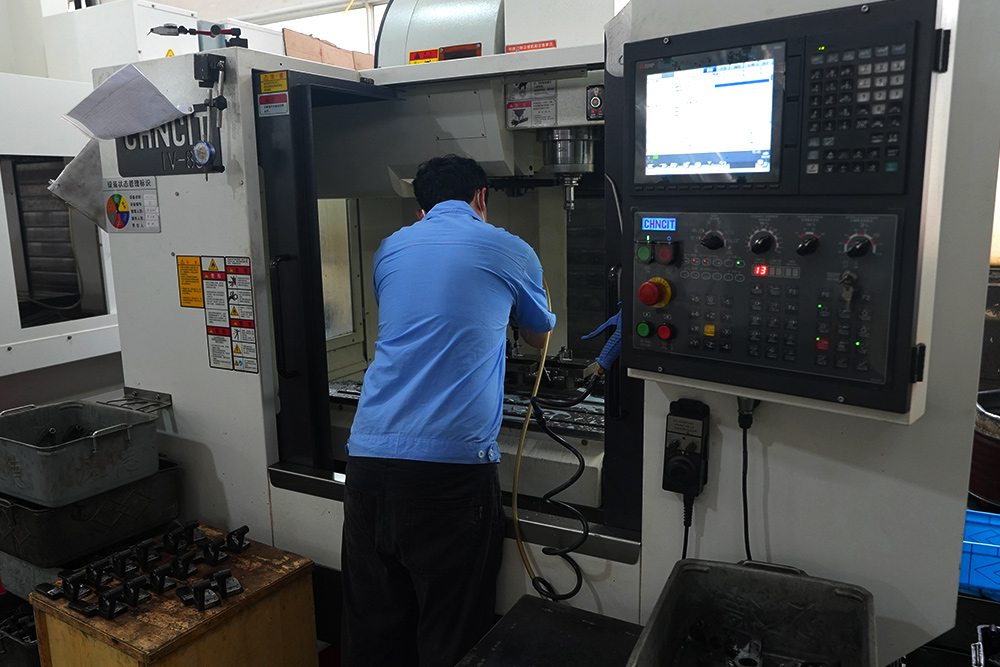
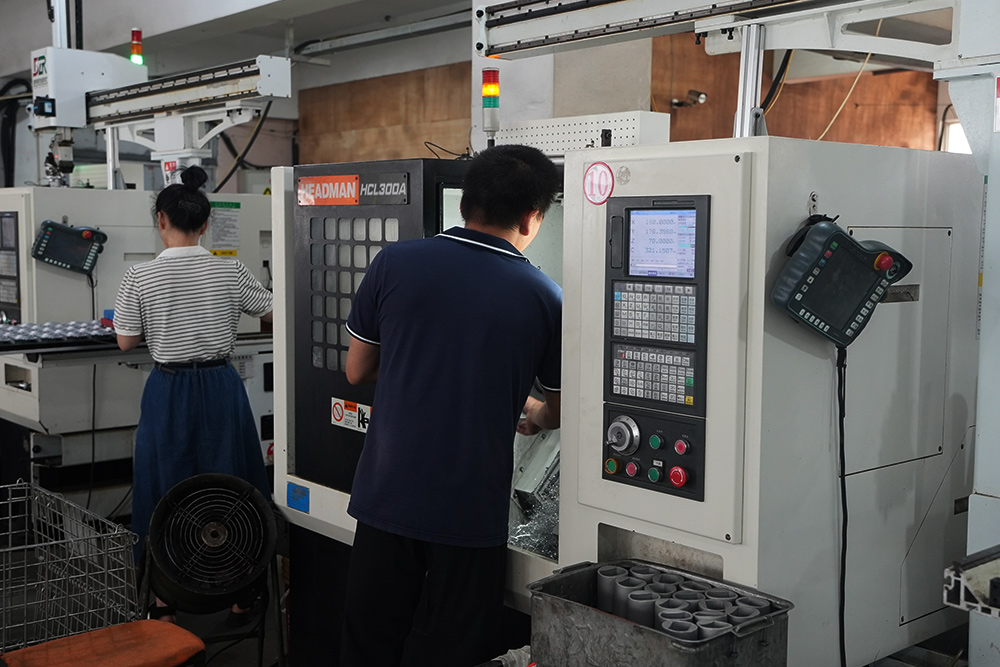
Constructed utilizing computerized numerical control equipment to ensure long-term mechanical reliability.
Reinforced steel feed wheels and cutters designed to endure thousands of packaging cycles daily.
The production of heavy-duty manual cord strapping tensioners represents a highly specialized mechanical discipline. Industrial packaging tools are subjected to immense stress during operation. In a standard cycle, a manual tensioner like the SD500 or SD25 must apply up to several thousand Newtons of force to polyester woven webbings. This continuous mechanical strain requires the tool's components—namely the feed wheel, gripper foot, and cutter—to be manufactured from high-grade alloy steel treated with precise thermal hardening.
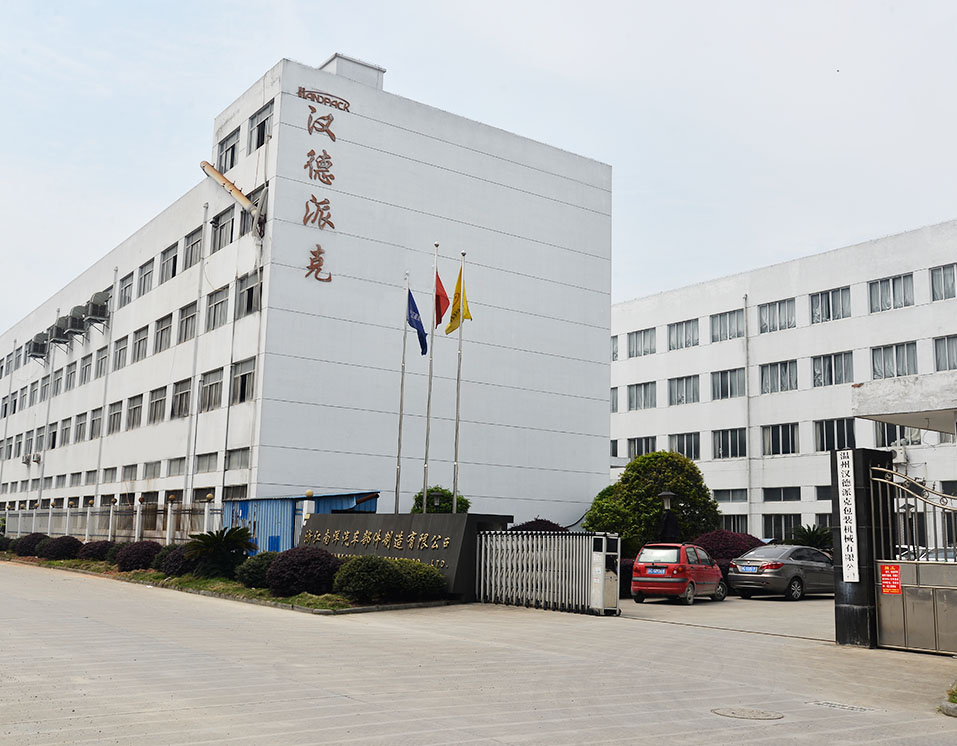
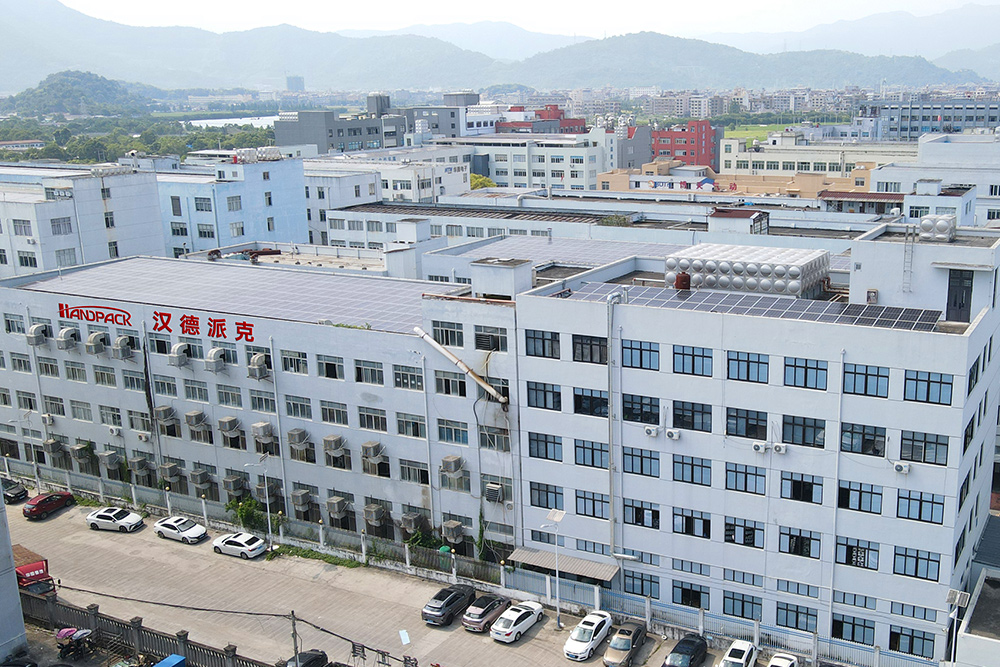
Based in Tiancheng Industrial Park, Yueqing City, Wenzhou, China, Wenzhou Handpack Machinery Co., Ltd. has established a global benchmark in the production of handheld packaging tools. While Western firms face soaring material and manufacturing costs, Handpack optimizes cost structures while achieving aerospace-grade material reliability. This is accomplished through several core manufacturing paradigms:
Unlike workshops relying on manual machining, Handpack employs an extensive suite of computerized numerical control (CNC) equipment. This guarantees that internal tolerances are maintained within fractions of a millimeter. Perfect tolerance alignment prevents early tool wear, ensures smooth gear clicking, and minimizes operator hand strain.
Every tool leaving the Wenzhou factory undergoes rigorous static pull-testing and cyclic fatigue testing. The feed wheels, which grip the cord strap, are treated via advanced induction hardening processes. This prevents the teeth from wearing down when contacting rigid composite polyester fibers or nylon webbing.
Operating tensioners manually in Seattle lumberyards or cold coastal warehouses requires tools that can be gripped easily with industrial gloves. Handpack's designers focus on long-handle leverages (such as in the GJ32 and SD330) to maximize tension output while reducing the mechanical force required from the operator, keeping worker fatigue low and productivity high.
When Seattle purchasing directors, warehousing operations heads, or logistics coordinators buy packaging tools, they must balance tooling acquisition costs with long-term maintenance cycles. By buying directly from Handpack, clients secure:
Understanding how manual strapping kits and cord tensioners operate in real-world scenarios highlights the mechanical demands placed on these systems.
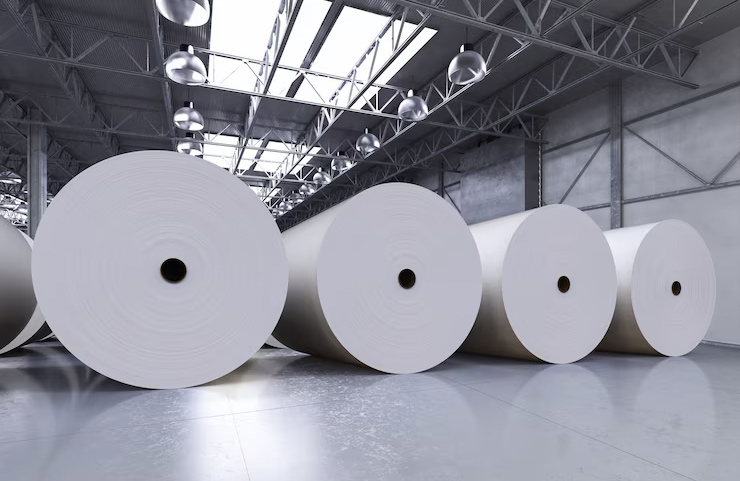
High-tension fiber tensioning prevents heavy paper roll cores from shifting and distorting under dynamic forces during rail or sea transport.
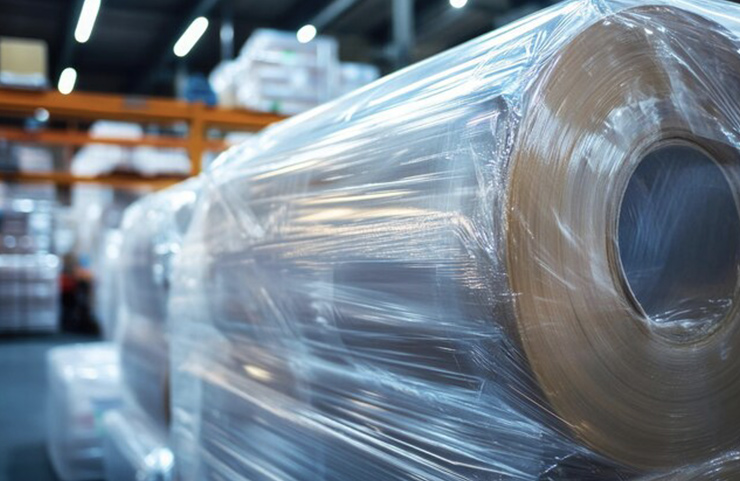
Metal surfaces must remain free from deep structural scratches. Utilizing woven fiber cords alongside manual tools ensures a rust-free, zero-surface-damage bundle.
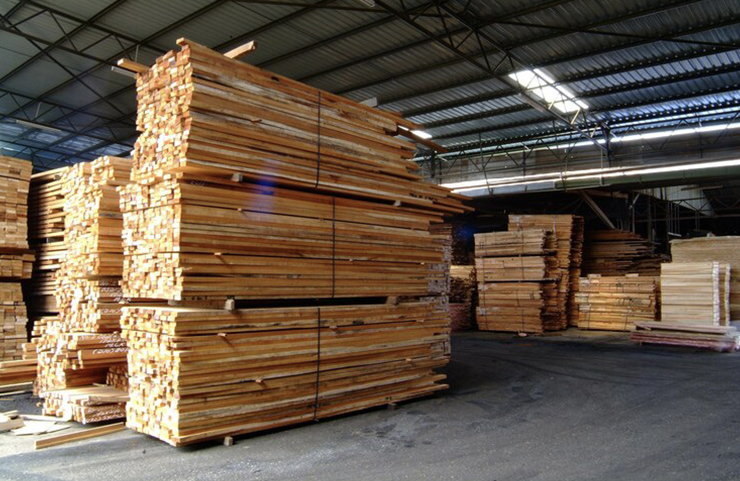
As freshly cut timber dries, it contracts and changes volume. High-elasticity cord strap dynamically contracts, maintaining hold pressure.
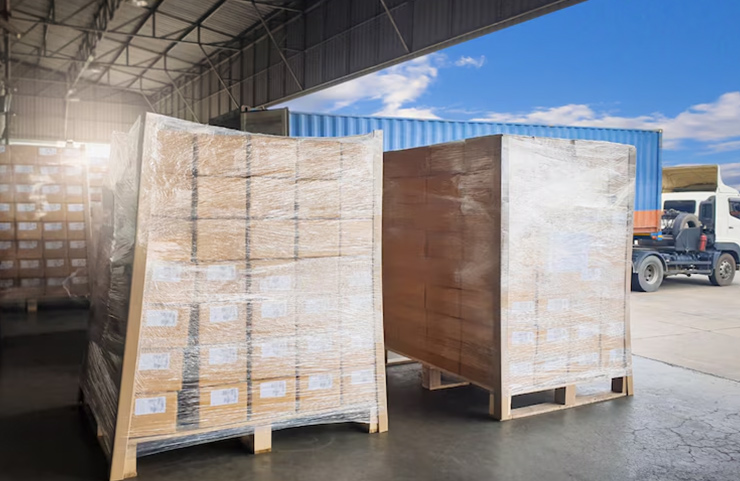
Heavy machinery and turbine blades packed in giant plywood boxes are secured to flatbed trucks using heavy-duty manual cord strap systems.
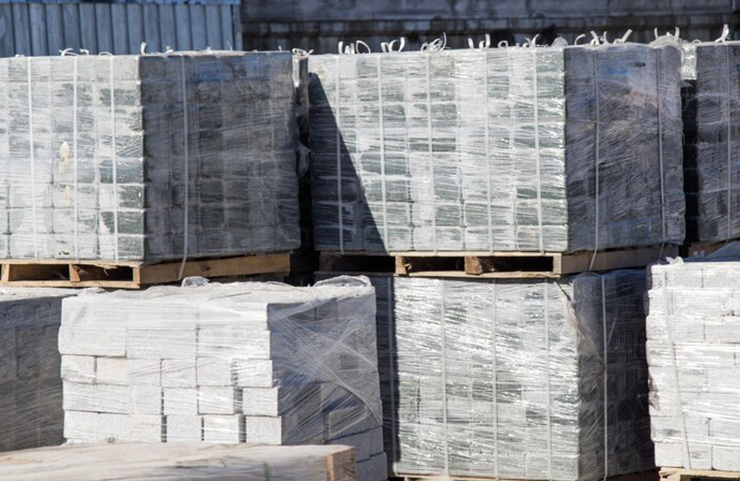
Brittle masonry stone is prone to cracking if steel bands expand or contract unevenly. Cord strap handles impact loads safely without snapping.
Securing cargo inside containers destined for rough Pacific crossings. Heavy-duty tools like the DD190U and RJ250 secure heavy pallets efficiently.
For decades, Wenzhou Handpack Machinery Co., Ltd. has prioritized core engineering values over simple low-cost fabrication. By maintaining ISO9001 and CE standards, we ensure that every Seattle shipyard worker, local manufacturing assembler, and logistics loader has access to a reliable hand tool that doesn't fail under pressure.
We believe that small details yield great differences. In strapping tool manufacturing, a deviation of 0.02mm in the tooth spacing of a feed wheel can cause tension loss or early strap slippage. Our mission is to integrate state-of-the-art computerized numerical control (CNC) equipment into the production lines, ensuring that every tool is built to last.
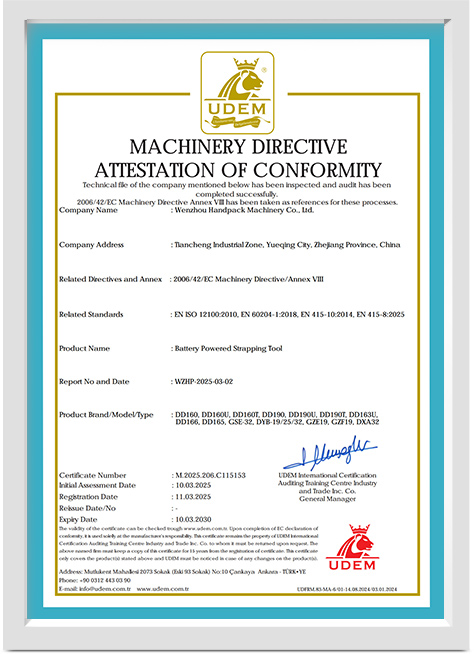
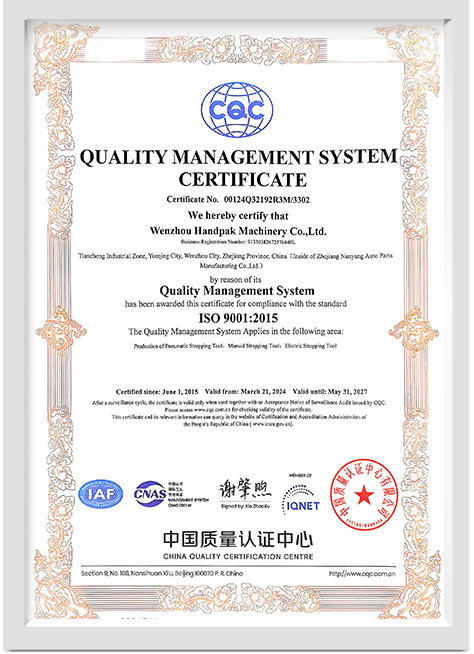
Providing Seattle buyers with cost-effective, factory-direct access to pneumatic, electric, and manual strapping machines.
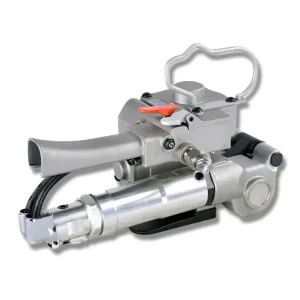
For supply chain coordinators and logistics managers evaluating manual tool performance, understanding the mechanical kinematics of a tensioner is crucial. The tool functions via a simple yet highly effective force multiplier lever system. By moving the lever arm forward and backward, a high-ratio ratchet gear turns the hardened steel feed wheel.
The feed wheel pulls the loose tail of the polyester woven cord strap under the locking tension of the wire buckle. Below the feed wheel lies the gripper foot, which utilizes heavy-tooth geometry to prevent the base loop of the strap from slipping backwards. Because polyester fibers can be slick, especially when coated in marine humidity or logging dust, the surface alignment of the gripper foot determines the tool's maximum achievable tension before slipping.
When purchasing industrial tooling from overseas factories, local packaging managers in Seattle should consider the following parameters to ensure smooth operations:
Manual cord tensioners (such as the SD251 or SD500) are ideal for operations requiring high mobility, low initial setup cost, and moderate packaging volumes. Since they do not require air lines or battery chargers, they are highly reliable in logging sites, remote loading bays, and flatbed transport sites. Pneumatic tools (like the RJ250) are best suited for high-volume stationary assembly lines where standard compressed air lines are readily available, drastically reducing cycle times and operator strain.
Yes. Wenzhou Handpack Machinery Co., Ltd. provides comprehensive OEM and ODM options. As a factory-direct supplier with complete CNC machinery structures and in-house engineering departments, we can customize tooling castings, handle color palettes, brand labeling, and tool dimensions to match your brand requirements.
Typically, production lead times for standard inventory order sizes are between 10 to 20 days. Maritime shipping from Wenzhou/Ningbo ports to the Port of Seattle/Tacoma typically takes 15 to 22 days, making direct sourcing highly feasible and cost-efficient for industrial distributors looking to optimize margins.
Aerospace logistics requires absolute structural surface integrity. Woven polyester fiber is soft to the touch, non-abrasive, and cannot scratch anodized aluminum surfaces or composite resin finishes. Additionally, its high elasticity absorbs impact shocks during airport tarmac movements far better than steel, which stretches permanently under load changes.
Our operations adhere to the ISO9001 international quality management system. From raw steel ingot sourcing to precision CNC machining and final hand assembly, each manufacturing step is audited. All finished products undergo load-test verifications before packing, guaranteeing that tools arriving in Seattle operate reliably out of the box.
 Handpack