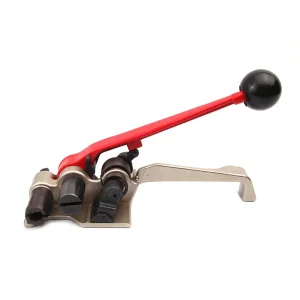
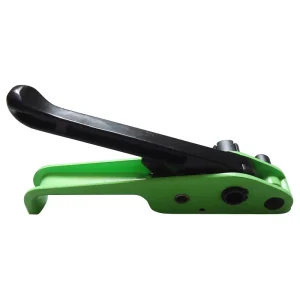
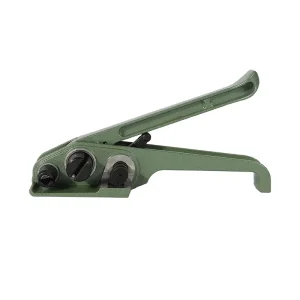
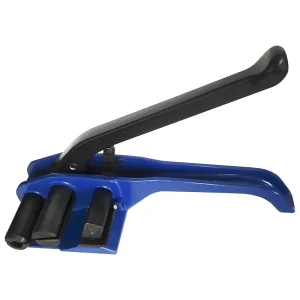
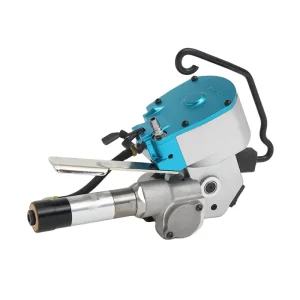
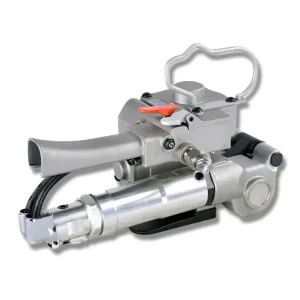
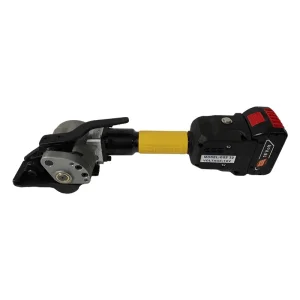
The Greater Toronto Area (GTA) stands as Canada’s logistics and manufacturing nucleus. Driven by the critical intersections of major highways like the 401, rail terminals operated by Canadian National (CN) and Canadian Pacific (CP), and cargo hubs surrounding Toronto Pearson International Airport, local shipping networks handle millions of tons of heavy cargo daily. Securing this cargo goes beyond routine packaging—it is a strict regulatory requirement enforced under Ontario’s Highway Traffic Act and National Safety Code (NSC) Standard 10.
Within this high-velocity transport sector, manual cord strap tensioners and high-tensile polyester cord straps serve as the foundational defenses against cargo shifts, load damage, and transport incidents. Industries across Mississauga, Brampton, Vaughan, and Hamilton are shifting from rigid steel banding to advanced composite cord strapping. This transition is motivated by safety, cost efficiency, and flexibility. Discover how our engineered tensioners provide the structural support needed to keep Toronto’s supply chains running safely and efficiently.
Engineered for high tension levels, reliability, and smooth operation under demanding industrial conditions.
The physics of high-tension securing systems and the evolution of structural alloys.
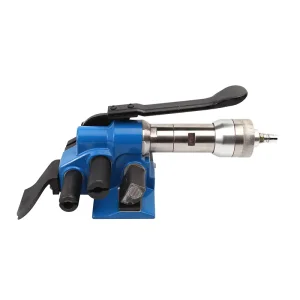
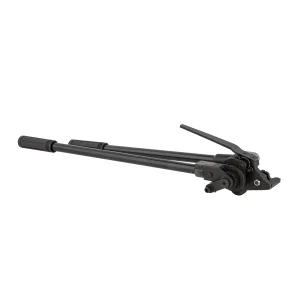
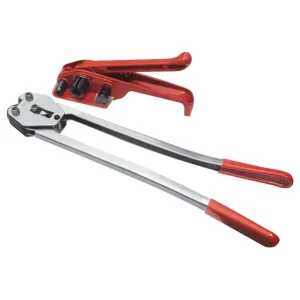
Modern manual tensioners rely on advanced gear configurations that maximize the input force of the operator. By optimizing the design of the windlass and the ratchet gear teeth, these tools allow operators to achieve over 800 kg of strap tension with minimal manual effort, ensuring tight, shifts-resistant cargo loads.
Using drop-forged structural steel treated with carbonitriding ensures that crucial wear points, such as the cutter blade and gripper foot, remain sharp and functional over thousands of tensioning cycles. This reduces tool wear and prevents slippage on cord straps.
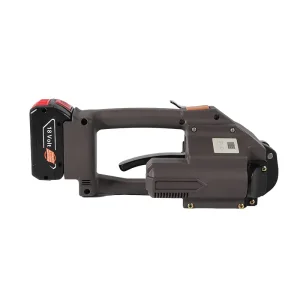
Manual cord strapping systems are highly versatile. Unlike pneumatic or electric tools that require constant air supplies or battery charging, manual tensioners operate reliably in any environment, from indoor warehouse floors to outdoor, sub-zero logistics yards.
Providing reliable load securing solutions across diverse manufacturing and transport industries.
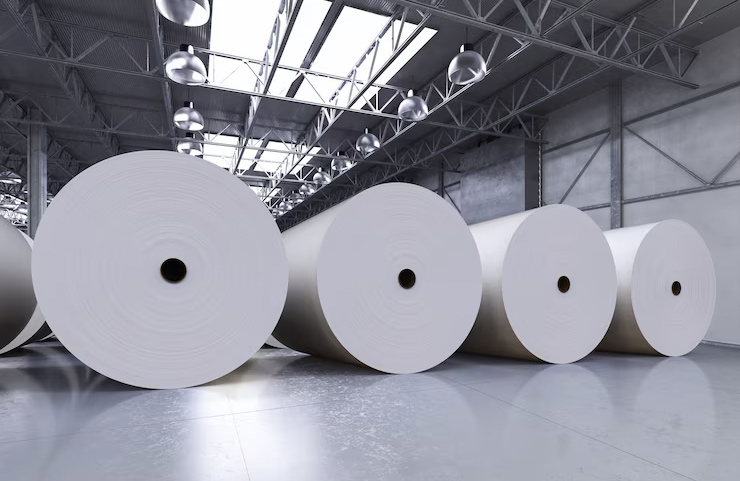
Securing large paper rolls and flat cardboard shipments requires even, consistent tension. Manual cord strap tensioners apply tension without crushing the outer layers of paper products, preserving material quality during transport.
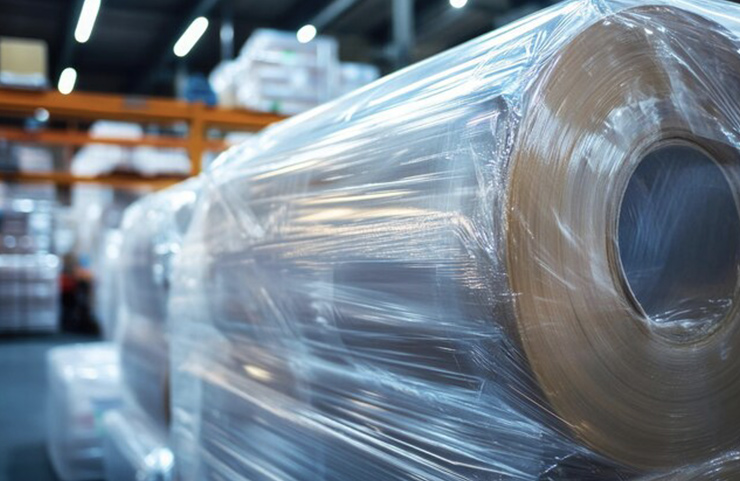
Extruded aluminum profiles and steel bundles are heavy, rigid, and prone to shifting. High-tensile composite strapping paired with heavy-duty tensioners like the SD25 or SD500 provides a secure wrap that absorbs transit shocks without snapping.
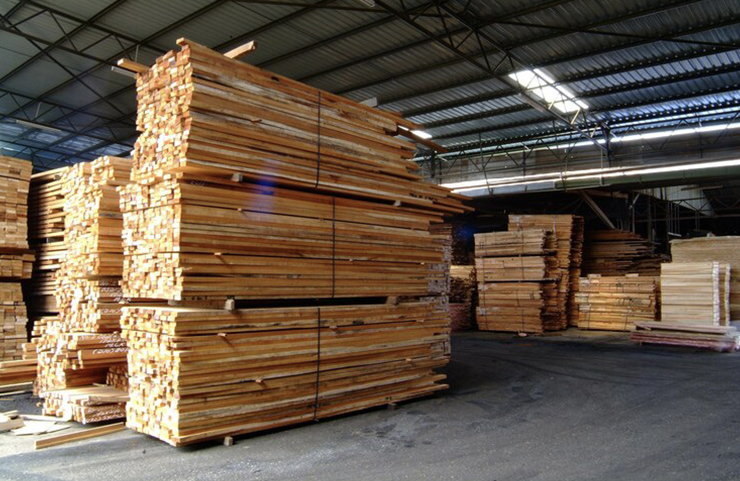
Wood bundles expand and contract with changes in moisture and temperature. Cord strapping retains tension over time, while manual tools allow for simple re-tensioning at intermediate transit points, maintaining load security.
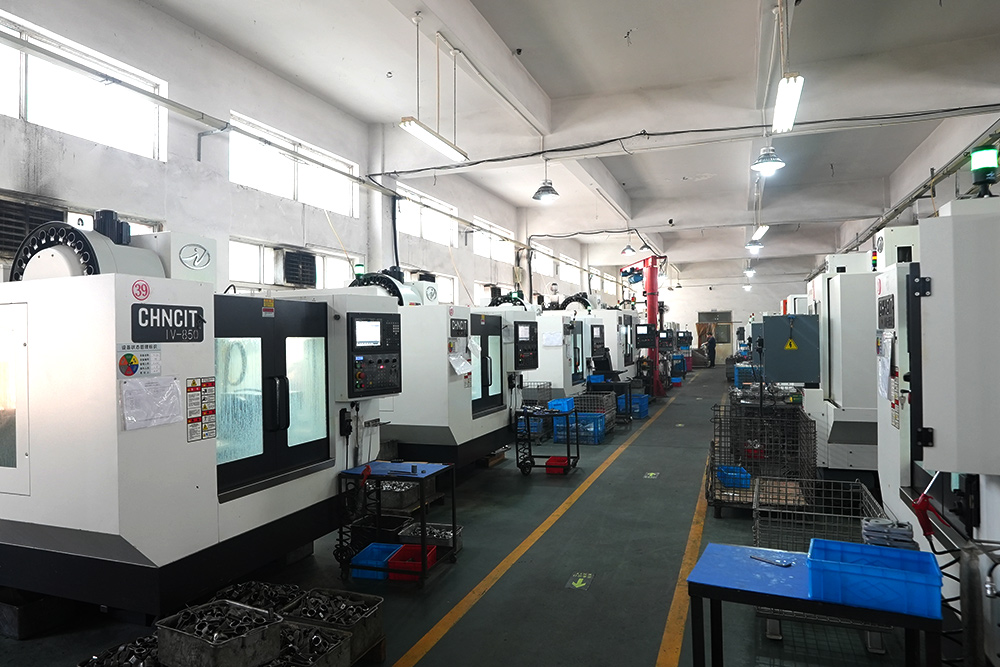
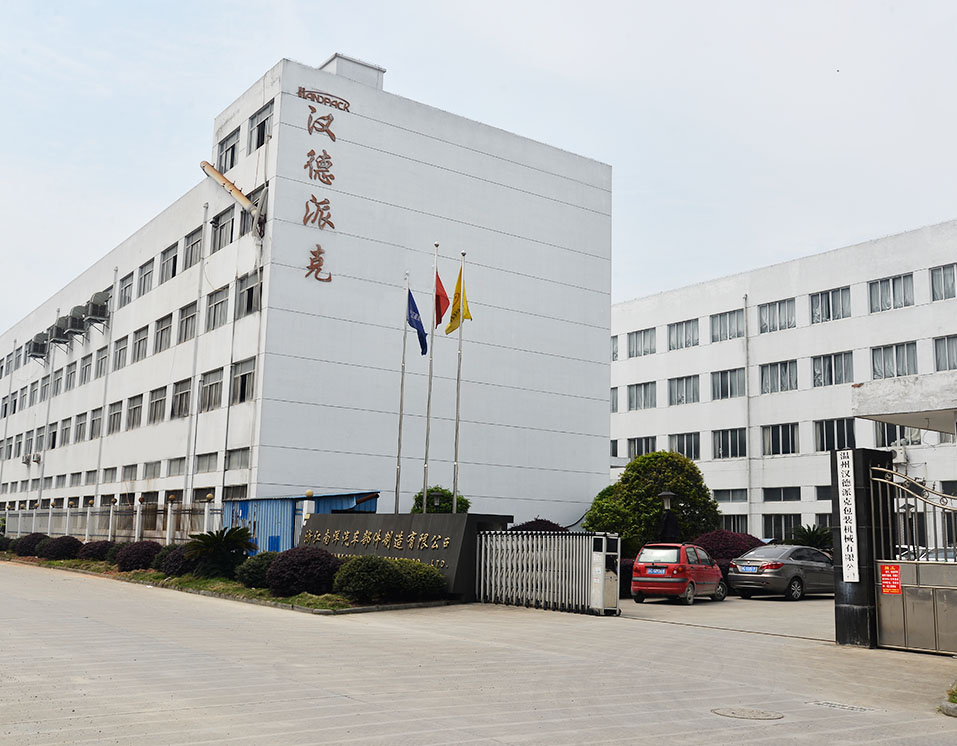
Established on March 14, 2008, in Yueqing City, Wenzhou, Wenzhou Handpack Machinery Co., Ltd. has grown to become one of China's largest specialized manufacturers of handheld strapping machines. Covering 12,535 square meters, our facility integrates CNC machining centers and advanced testing equipment to ensure high production precision and consistent product quality.
By managing the entire production process—from CNC-milled ratchet gears to final assembly—we maintain strict quality control. Operating under ISO9001 quality management systems and ensuring all products carry CE certification, Handpack delivers reliable performance that meets the safety standards required by businesses in Toronto and global markets.
Importing and utilizing securing equipment in Canada requires strict adherence to national and provincial safety codes. Handpack's tensioners and kits are engineered to help transport companies comply with CCMTA (Canadian Council of Motor Transport Administrators) cargo securement standards.
Our tools provide consistent tension control, reducing the risk of strap failures during transit. Combined with CE-certified quality systems and ISO9001-compliant production, our strapping solutions offer reliable cargo security for cross-border and long-haul shipping.
Expert answers to common engineering and procurement questions regarding cargo securing tools.
Manual cord strap tensioners utilize a rotating windlass mechanism that allows the strap to wrap continuously around a slotted shaft, accommodating the thickness of woven or composite cord. In contrast, PET/PP tensioners typically use a feedwheel mechanism that grips the strap surface. Attempting to use a feedwheel tensioner on cord strapping will cause slippage and damage the textile fibers.
Our manual tensioners (such as the SD25 and SD500) are constructed using drop-forged carbon steel and heat-treated alloy components. Because they do not rely on rubber seals, pneumatic air systems, or lithium-ion batteries—which can degrade in sub-zero temperatures—they remain fully functional and slip-free in temperatures as low as -40°C.
Manual tensioners require minimal maintenance. We recommend cleaning the gripper foot and cutting mechanism daily with a wire brush to remove lint and fiber buildup. Lubricate the ratchet pivots and gear shaft weekly with a light industrial oil to ensure smooth operation and prevent wear.
Pneumatic and battery-powered tools offer faster tensioning speeds, making them ideal for high-volume packaging lines. However, manual tools provide greater precision and feel, allowing operators to adjust tension carefully. This makes manual tensioners the preferred choice for securing fragile loads, heavy timber, and irregular cargo.
Discover our full line of manual, pneumatic, and electric tools for light to heavy-duty industrial applications.
Get in touch with our engineering team today to request custom quotes, evaluate tool performance, or find the right strapping system for your application.
 Handpack