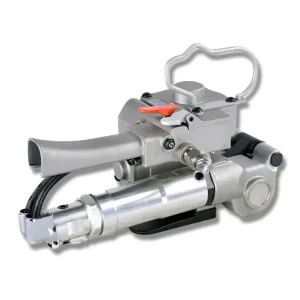
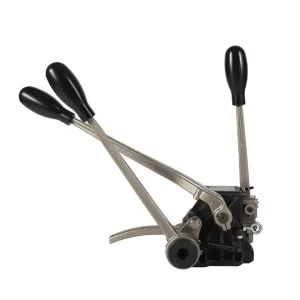
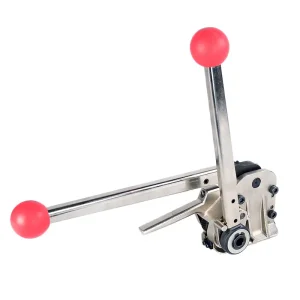
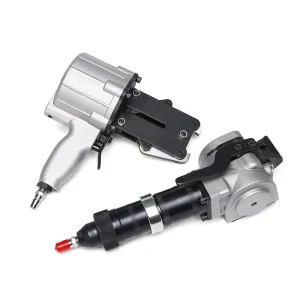
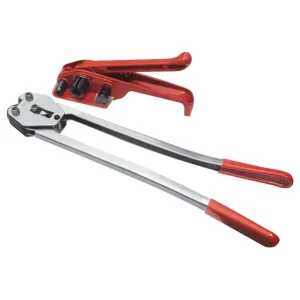
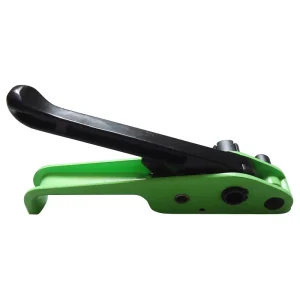
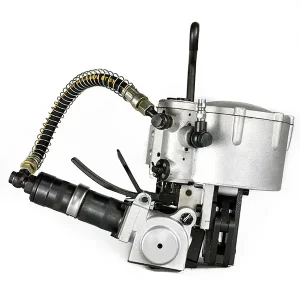
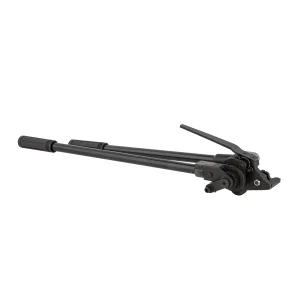
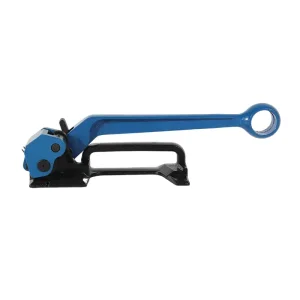
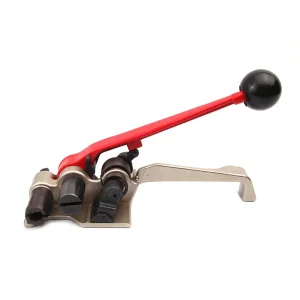
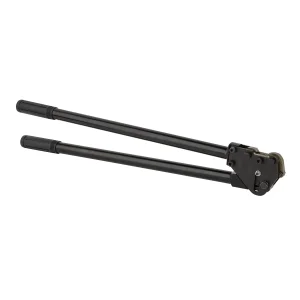
Premium handheld tools optimized for rapid packaging lines, logistics consolidation centers, and heavy export packaging in the Tokyo Bay Area.
The Greater Tokyo Area, encompassing Kanagawa, Saitama, and Chiba, represents one of the world's most dense concentrations of advanced manufacturing and high-velocity logistics centers. Modern fulfillment nodes situated around the Port of Tokyo and industrial sectors in Ota City face unique, micro-localized challenges that directly dictate the requirements of heavy-duty packaging systems. High-intensity land utilization has pushed Japanese distribution architecture toward vertical, automated multi-story warehouses. In these advanced environments, unit load stability is critical.
"Tokyo's location within active tectonic zones demands that unitized pallet loads undergo rigorous stabilization. Standard plastic banding must maintain constant, elastic tension without creep over long durations. This ensures that in the event of low-frequency tremors, heavy structural steel, stacked paper products, or building materials do not shift or cause structural collapses."
Furthermore, Tokyo's commercial ecosystem operates under strict environmental legislation. The Tokyo Metropolitan Government's Green Building Initiative and waste management directives place substantial pressure on logistics networks to transition from carbon-heavy steel banding to high-strength, recyclable Polyethylene Terephthalate (PET) and Polypropylene (PP) alternative straps. Selecting the appropriate pneumatic or battery-operated friction-welding system is crucial to ensuring joint integrity that aligns with the Japan Industrial Standards (JIS) for export-grade load containment.
In modern strapping applications, joint efficiency is the defining parameter of load security. Traditional methods utilizing metallic seals or buckles create friction-based mechanical interlocks that often yield only 50% to 65% of the strap’s nominal break strength. By contrast, advanced friction-welding strapping technology utilizes ultrasonic high-frequency oscillation to melt the polymer boundaries under sustained pressure, forming a homogenized weld.
Our pneumatic tools utilize a rotating vibrator shoe that operates at frequencies exceeding 300 Hz. Under precise pneumatic clamp pressures (typically between 0.5 to 0.7 MPa), this mechanical friction elevates the thermoplastic temperature of PP or PET straps to its exact melting point within milliseconds. Once the oscillation stops, a cohesive cooling phase consolidates the joint, achieving an efficiency rating of up to 85% of the total strap tensile capacity. This molecular integration eliminates the cost of steel buckles, prevents product scratching, and guarantees that the strap remains secure under dynamic transit vibrations.
| Mechanical Parameter | Manual Buckled Steel | Pneumatic Friction Weld (PET/PP) | Sealless Crimp Joint (Steel) |
|---|---|---|---|
| Joint Efficiency Rating | 50% - 60% | 80% - 85% | 70% - 80% | Tension Capacity | High (up to 15,000 N) | Medium-High (up to 4,500 N) | Extreme (up to 20,000 N) |
| Elastomeric Memory | Extremely Low (<1%) | High (6% - 8% stretch recovery) | Extremely Low (<1%) |
| Tool Operating Profile | High physical strain, slow cycle | Zero strain, ultra-rapid cycle | Medium strain, fast cycle |
| Cost per Joint Unit | High (requires metal seals) | Zero consumable seals | Zero consumable seals |
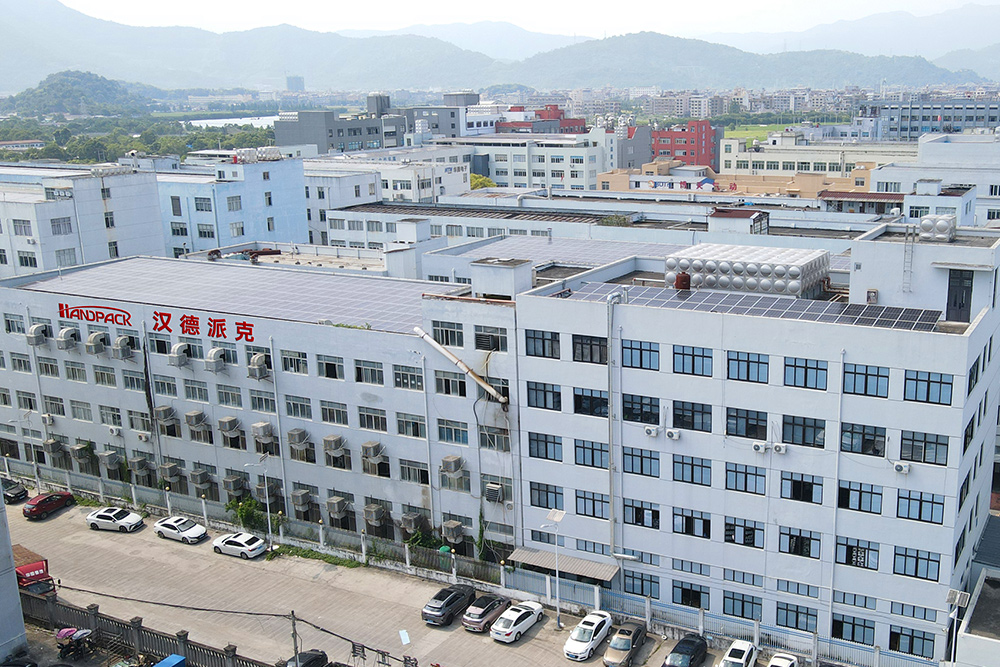
Established on March 14, 2008, Wenzhou Handpack Machinery Co., Ltd. stands as a premier global manufacturer of professional handheld packaging machinery. Nestled within Tiancheng Industrial Park, Yueqing City, Wenzhou, our state-of-the-art facility spans over 12,535 square meters. Positioned between Yueqing Bay and the scenic Yandang Mountain, our location facilitates efficient logistics connections to global shipping lanes, including direct channels to Tokyo port infrastructure.
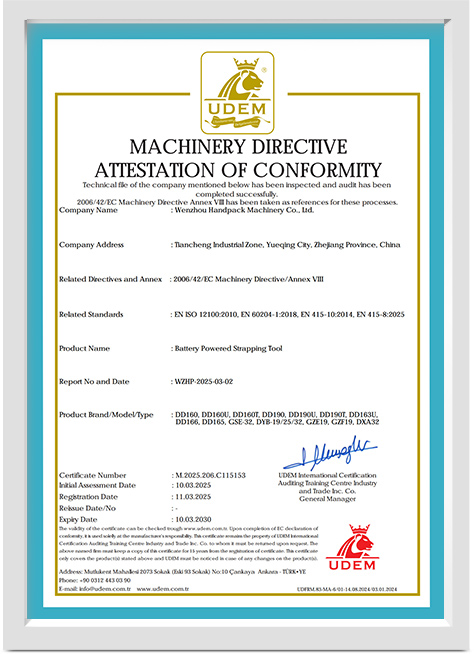
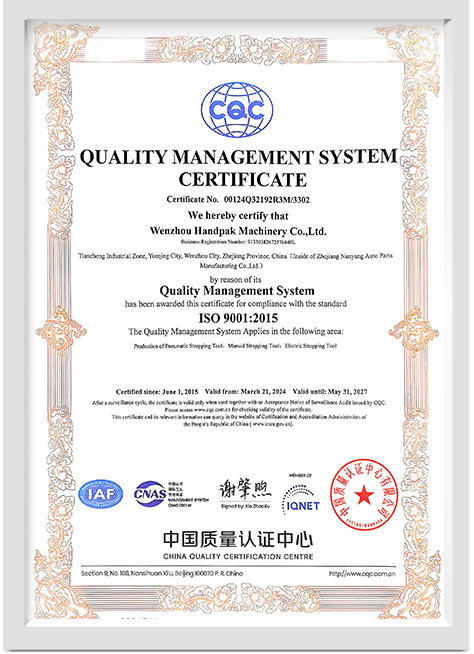
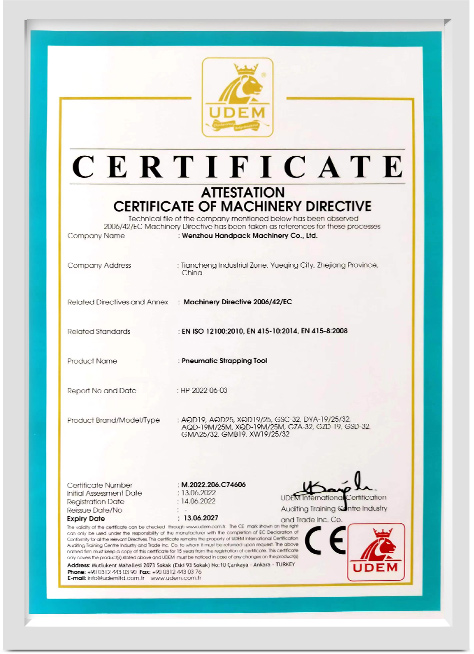
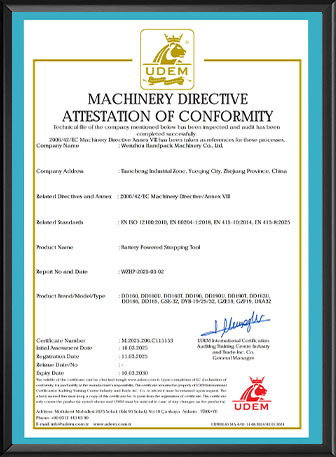
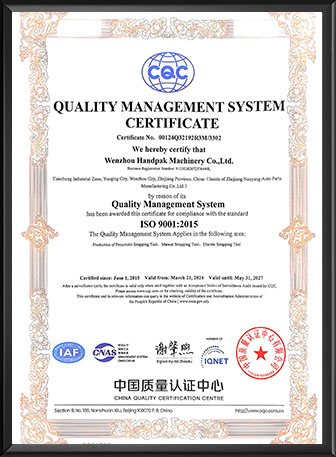
We specialize in the research, development, and high-precision manufacturing of handheld strapping tools designed for PET, PP, and heavy-duty steel bands. By utilizing computerized numerical control (CNC) production lines, we ensure micro-tolerances are maintained across our entire catalog of pneumatic, manual, and battery-powered models. Following the ISO9001 international quality management system and holding European CE certifications, Handpack continues to supply reliable, long-lifecycle tools to steel mills, non-ferrous metal plants, paper mills, and logistics hubs worldwide.
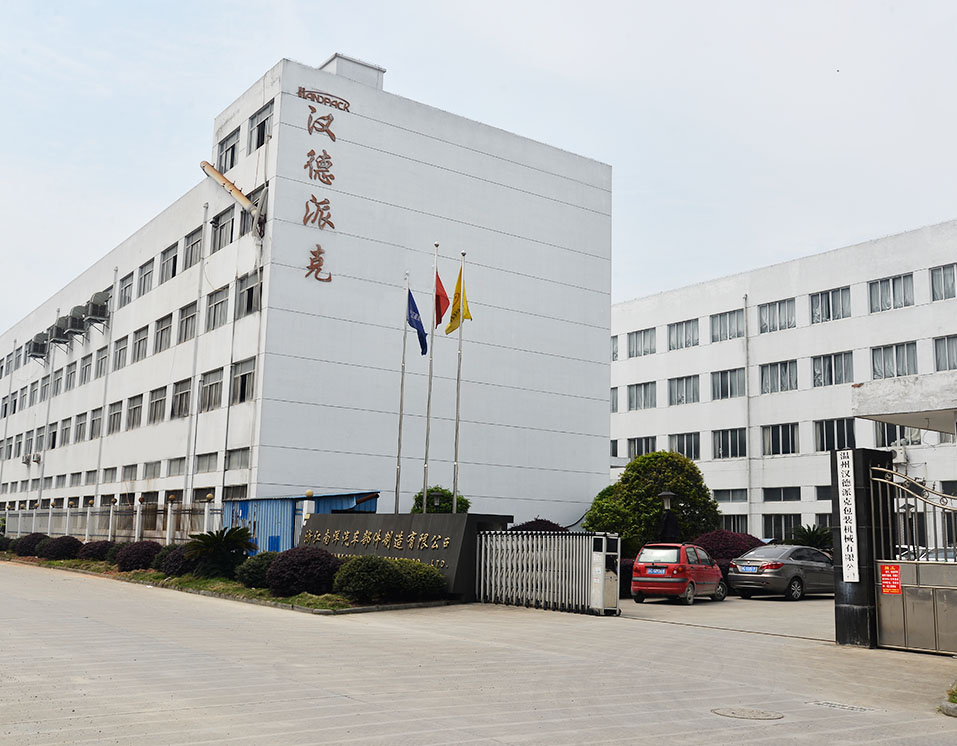
Our commitment to operational excellence extends from our design floor to client sites in Tokyo and beyond.
Helping enterprises streamline operations and scale by providing robust, fail-safe packaging solutions.
Prioritizing transparency, long-term technical support, and reciprocal trust across all partnerships.
Generating measurable efficiency gains that decrease packaging lifecycle costs for heavy industry.
Focusing on engineering innovation, manufacturing precision, pragmatic solutions, and fast response times.
The global logistics sector is undergoing a significant transition from high-carbon steel strapping to high-tensile polyester (PET) alternatives. Driven by carbon pricing, safety regulations, and shipping requirements, companies in heavy manufacturing sectors are reevaluating their load stabilization programs. While steel banding offers high ultimate breaking strength and negligible stretch, it lacks the elastic memory required to absorb sudden impacts during transit.
High-tensile PET strapping exhibits unique elastomeric recovery characteristics. When a palletized load settles or contracts during cold storage or sea transport, PET maintains its tension. Under high dynamic shock forces—such as those experienced during rail car switching or ocean freight roll-and-pitch—PET stretch behaves as a dampener, absorbing kinetic energy and preventing catastrophic strap breakage. Additionally, the transition to PET minimizes workplace injury risks associated with sharp metal edges during strap disposal and reduces cargo damage from oxidation rust stains.
"Replacing steel banding with recycled PET strapping can reduce carbon footprint metrics by up to 50% on a per-meter basis. For multinational manufacturing hubs in Tokyo tracking Scope 3 emissions, this material transition is a practical step toward achieving net-zero corporate targets."
A transparent look at our advanced components machining, assembly bays, and strict product validation testing.
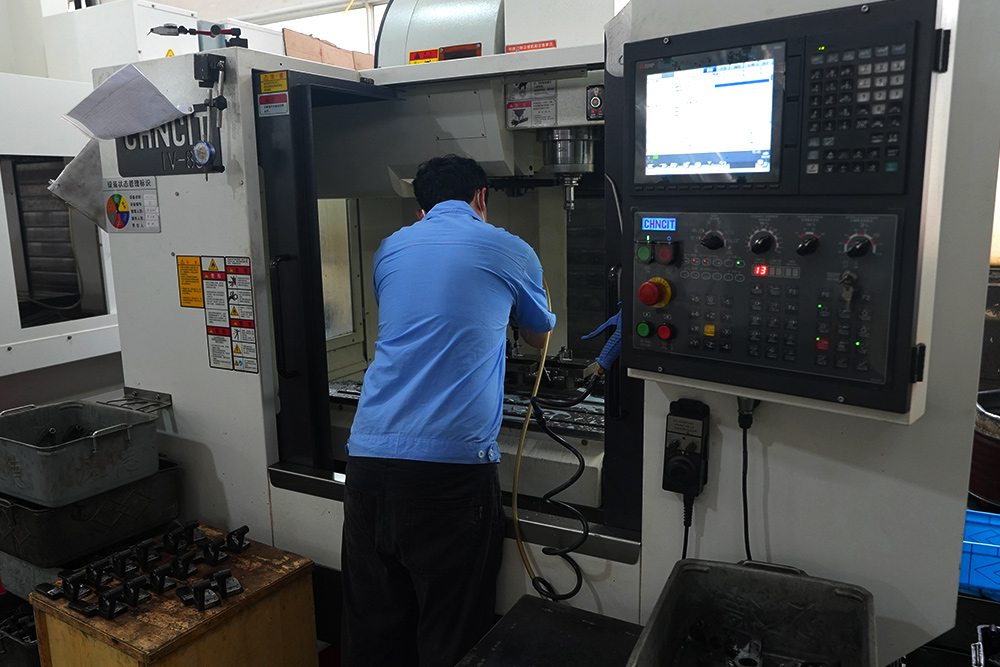
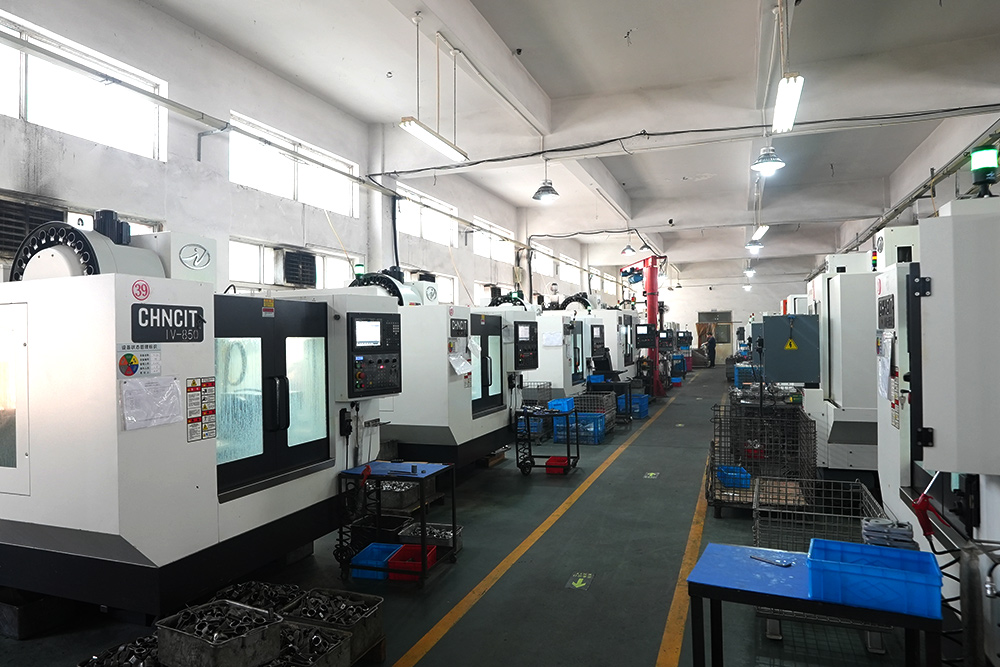
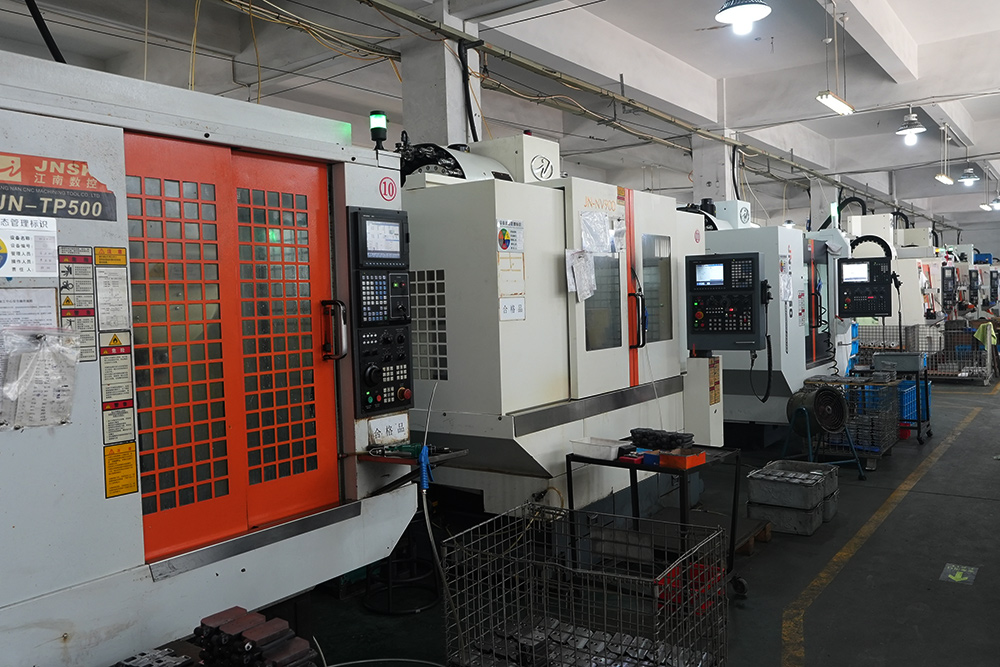
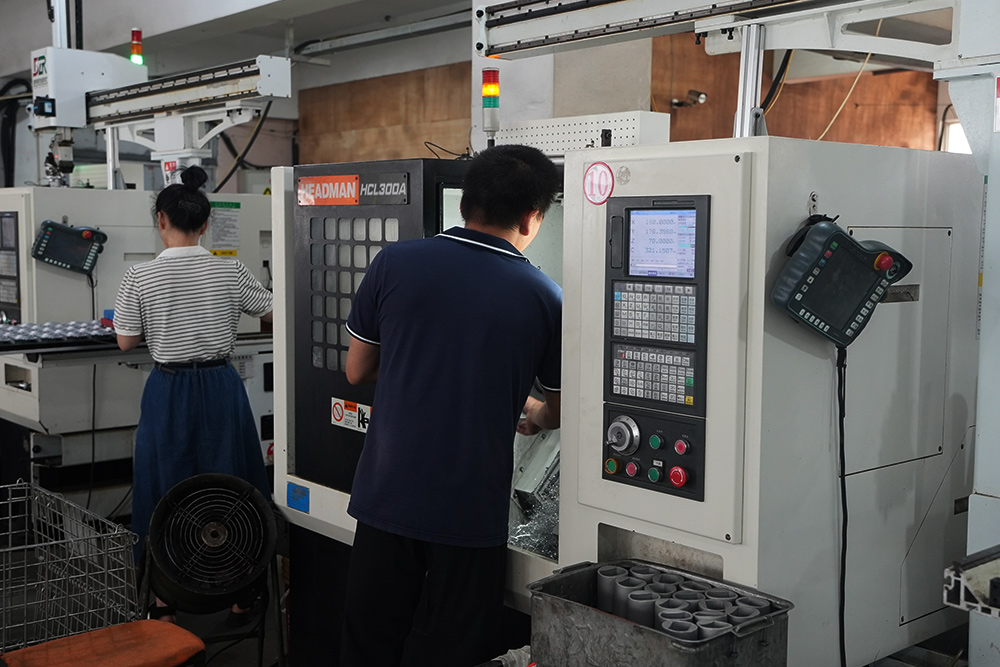
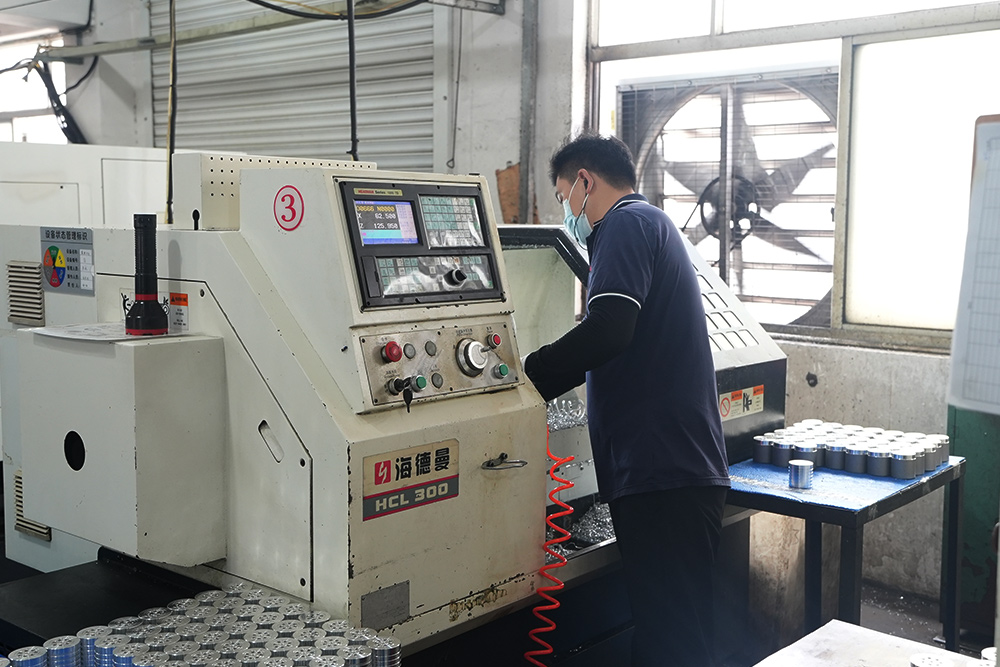
Meeting rigorous international quality benchmarks to ensure reliable performance on industrial floors.
Optimized bundling configurations engineered for specific industrial materials and supply chain profiles.
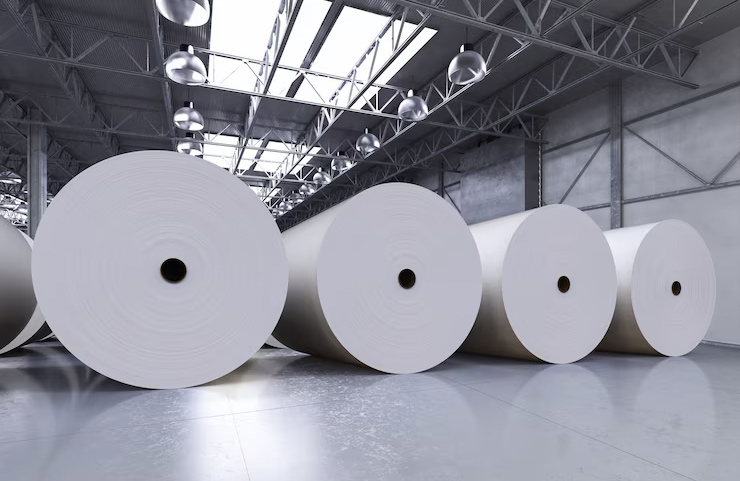
Our tools secure finished paper rolls, cardboard packaging boxes, and recycled waste materials. Precision tension controls prevent product edge deformation while maintaining structural stability.
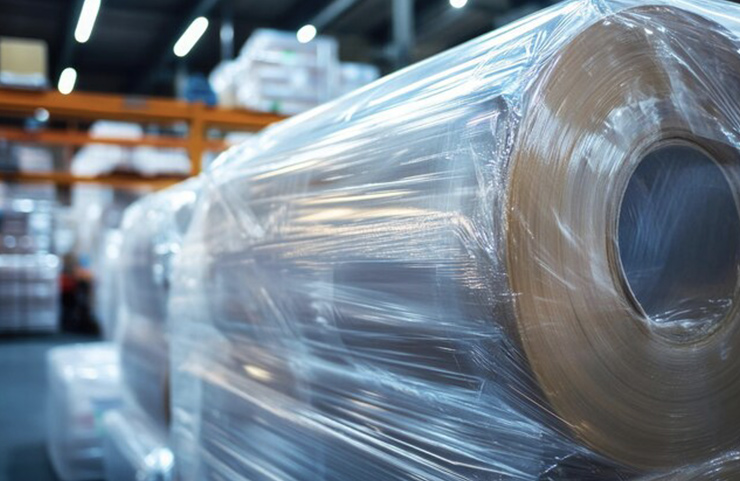
High-tension steel and heavy-duty PET strapping systems secure heavy coils, structural extrusions, and bulk metal ingots. Built to withstand high temperatures and sharp structural edges.
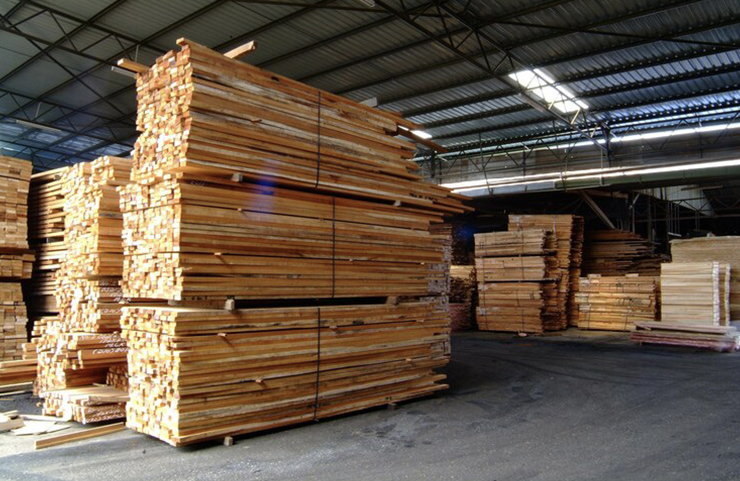
Perfect for bundling timber logs, plywood stacks, and construction framing. Elastomeric strap recovery counteracts structural wood contraction caused by moisture shifts during storage.
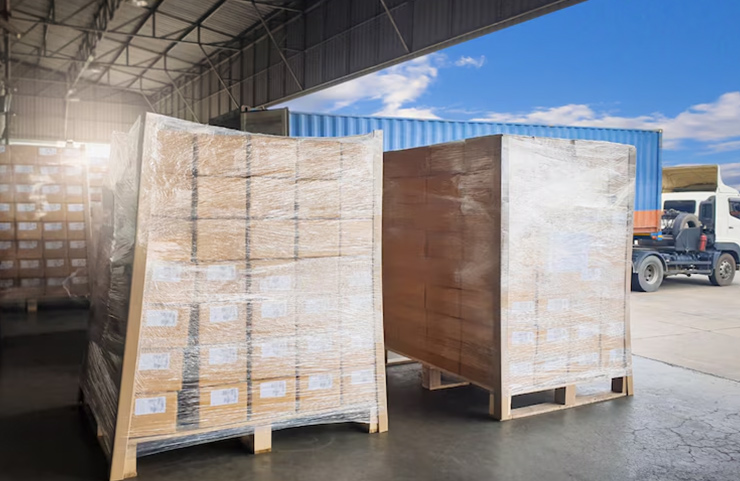
Reinforces heavy export-grade wooden packaging boxes. Replaces traditional manual nailing protocols with high-tension perimeter strapping, decreasing assembly times and enhancing load integrity.
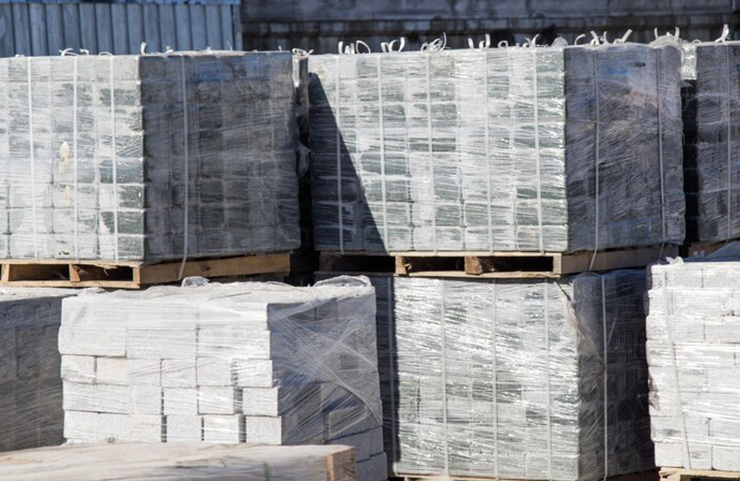
Secures raw stone slabs, ceramic tiles, and heavy precast concrete elements. Uses high-strength PET bands to prevent shifting during transit and avoid damage to fragile surfaces.
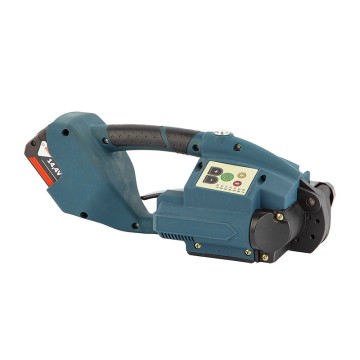
Heavy-duty strapping designed for containerization and intermodal transfers. Resists high humidity and temperature variations, ensuring unitized loads remain secure across international maritime routes.
The integration of digital technology is transforming industrial packaging systems. Modern pneumatic and battery-powered handheld tools are shifting from isolated mechanical units to connected components within smart manufacturing networks. Real-time data capture of tool operation parameters enables quality control managers to track and document strapping processes automatically.
Future product updates will integrate wireless communication capabilities. Each strapping cycle can record the applied tension force, weld temperature, and cooling cycle duration. This data is transmitted to warehouse management systems to verify compliance with shipping specifications. If a tool operates outside specified parameters due to pressure drops in pneumatic lines or battery wear, the system flags the issue instantly, minimizing the risk of outbound packaging failures.
"To maintain weld reliability, next-generation tools utilize real-time wear-sensor technology. These sensors monitor the friction teeth profiles on the tension wheel, notifying operators when maintenance or cleaning is required to prevent slippage on PET or PP surfaces."
Addressing typical deployment issues, material selection criteria, and maintenance practices for Tokyo operators.
For reliable friction welding and tensioning, pneumatic strapping tools typically require a continuous inlet pressure between 0.5 to 0.7 MPa (72 to 100 PSI). Using a filter-regulator-lubricator (FRL) unit adjacent to the tool connection is critical. The air line must remain dry and clean, as water condensation can corrode the internal pneumatic motor rotors, causing loss of torque and weld inconsistencies.
Transition to PET plastic strapping is recommended when securing loads that settle, shrink, or expand during transport. Unlike steel, PET possesses excellent elastic elongation and memory, maintaining constant tension even as the load shifts. It is also preferred in industries looking to reduce worker injury risk from sharp steel ends, eliminate rust stains on products, and lower freight emissions.
Friction-weld joints achieve up to 80%-85% of the plastic strap's nominal break strength. By contrast, metal seals using standard hand sealers typically achieve only 50%-65% joint efficiency, and they risk slipping under dynamic loads. Friction-welding bonds the polymer molecular chains directly, creating a unified seal without additional consumable metal components.
Seismic events generate low-frequency acceleration forces that test pallet stability. Packaging must absorb these dynamic forces without breaking or stretching permanently. High-tensile PET bands, applied with consistent pneumatic pressure, absorb dynamic energy and return to their original tension, preventing pallets from collapsing or falling off high warehouse racks.
Daily maintenance requires blowing away strap residues and dust from the tension wheel and cutter head with compressed air. Weekly, operators should check the tooth profiles of the tension wheel for wear or slipping. Lubricate critical moving joints with pneumatic tool oil regularly, and inspect the welding shoe to ensure it is clean of polymer buildup, maintaining clean welds.
Explore our extensive line of manual, pneumatic, and specialized tensioning tools designed to secure heavy industrial bundles.
 Handpack