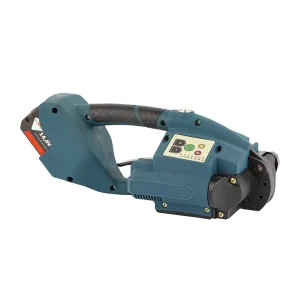
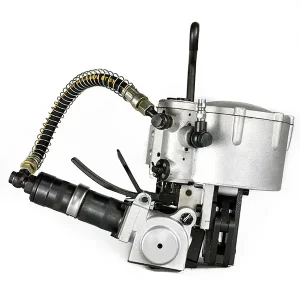
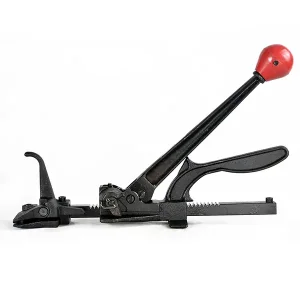
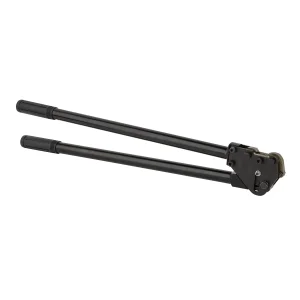
 Handpack
1 / 4
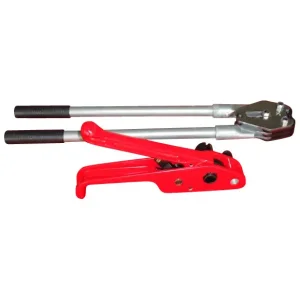
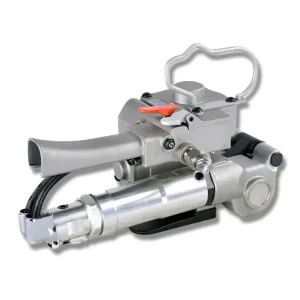
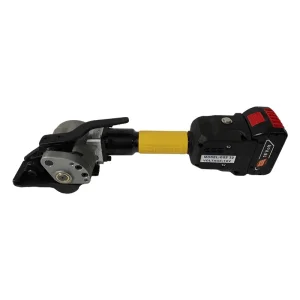
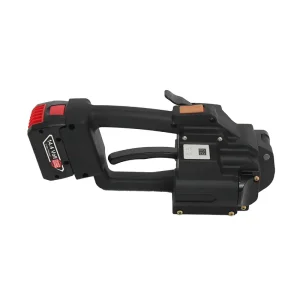
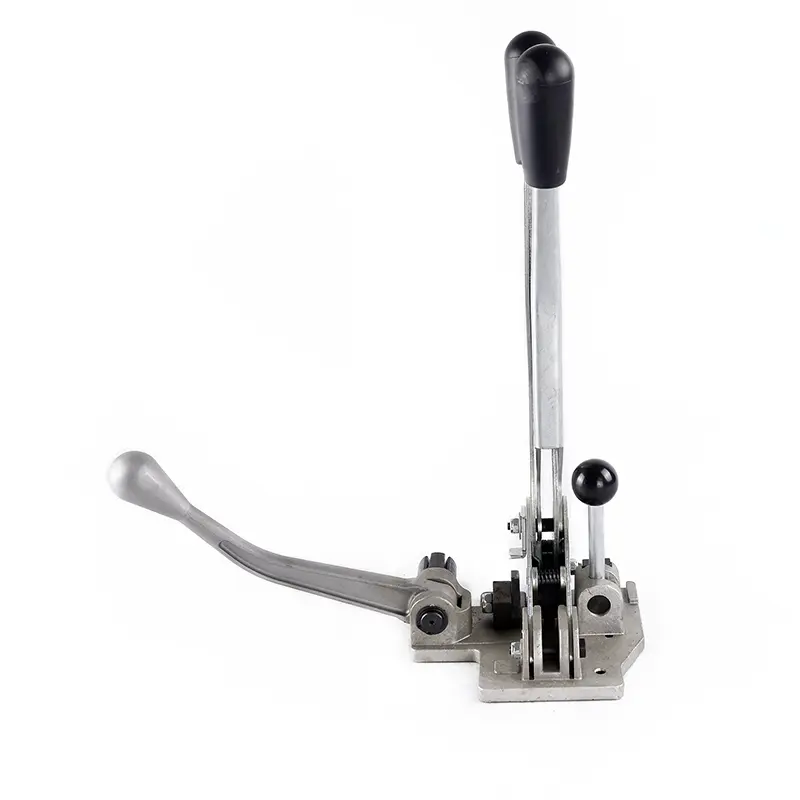
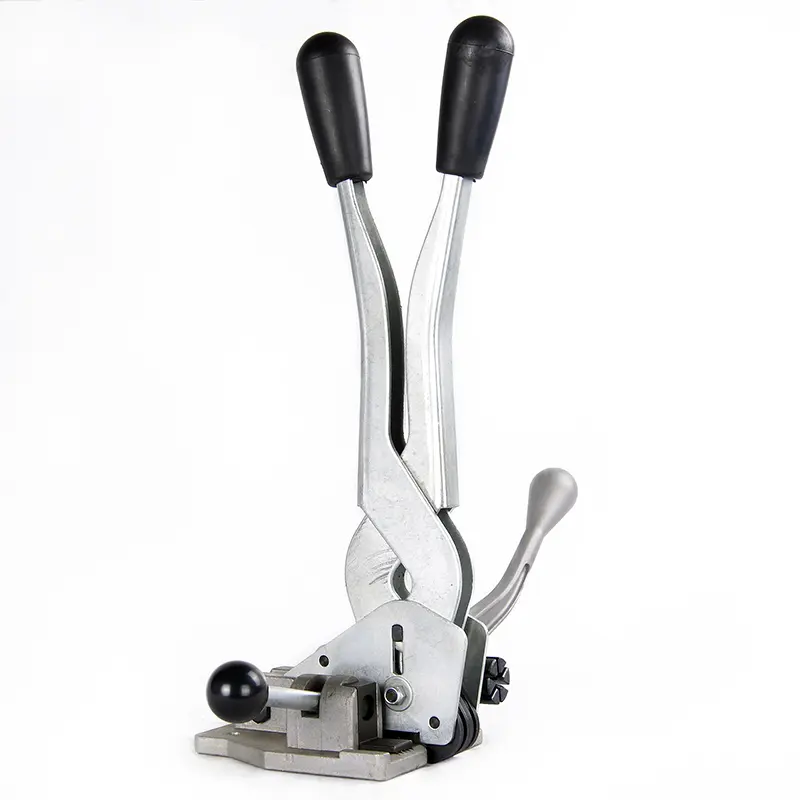
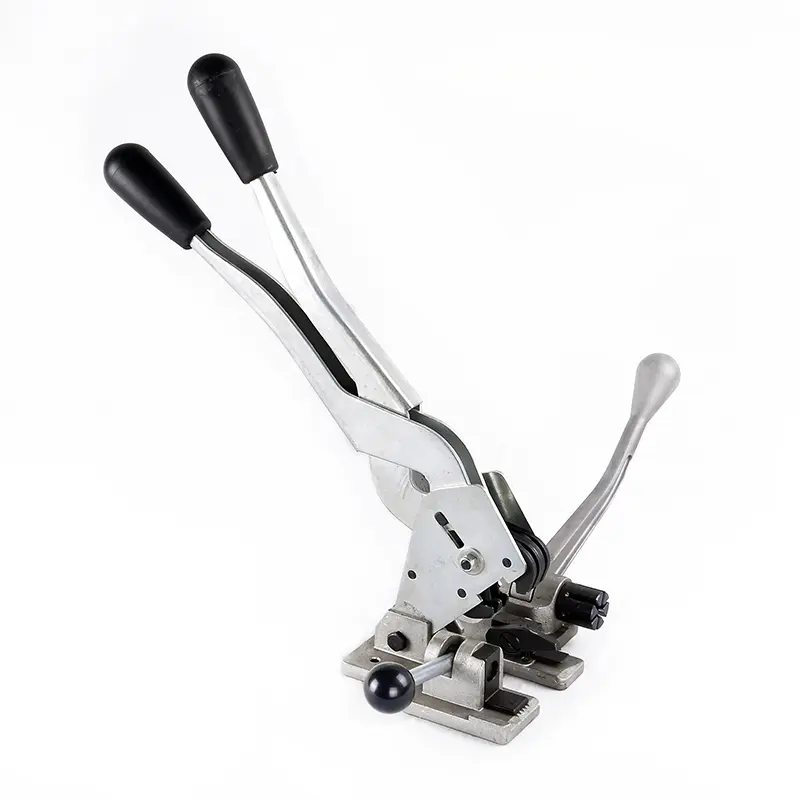
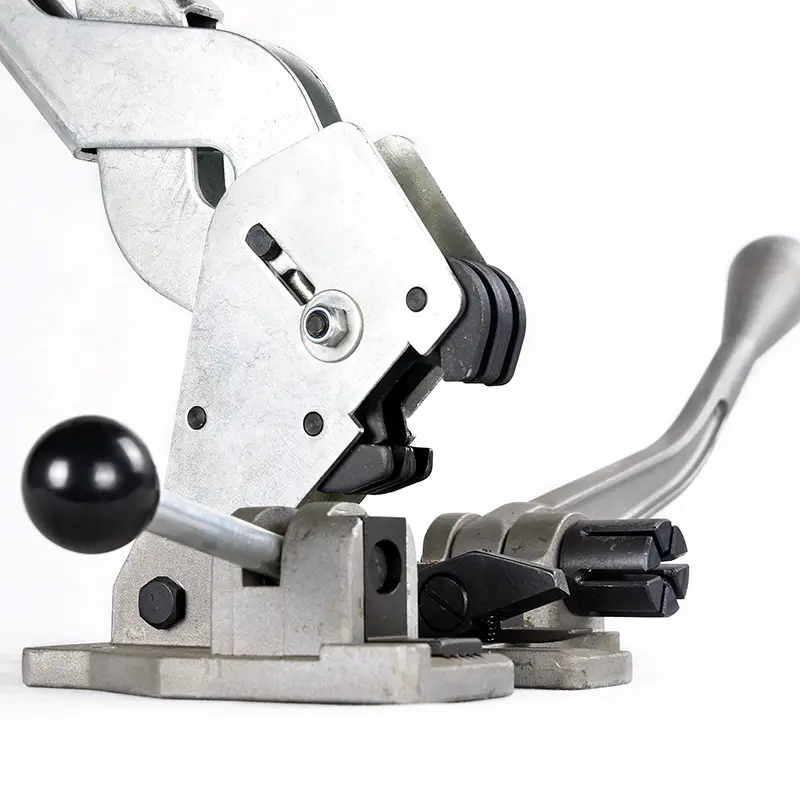
| Description name | Manual PP strapping tool | |
| Usage | Widely used in paper industry, aluminum alloy, steel, wood, wooden box package, chemical fiber, cotton spinning, tobacco, chemical, metal products, etc. | |
| Feature | 1. Convenient operation, smart design, easy remove | |
| 2. High speed tension, special structure design, easy to achieve tension and package of steel, aluminum ingots, heavy packages | ||
| 3. All the parts with high-strength aluminum alloy to keep long time use, reliable design and advanced manufacturing technology | ||
| 4. Patent design and avoid fatigue | ||
| Manual 3-in-1 PP Strapping Tool Model SD3IN1 | ||
| Model | SD3IN1 | |
| Applicable packing strap | PP | |
| Packing strap size | Strap width | 13mm / 16mm |
| Strap thickness | 0.4 - 0.9mm | |
| Net weight | 2.7 kgs | |
| Size | 377 × 150 × 150 mm | |
First, loop the PP strapping (compatible with 5-15mm width, 0.5-1.2mm thickness - common for bundling cartons, packages, or small pallets) around the load. Insert one end of the strapping into the tool's tensioning slot, then rotate the ergonomic tensioning knob clockwise. The tool's internal roller and clutch system gradually tightens the strapping around the load, with adjustable tension (up to ~300N) to avoid over-tightening (which can damage PP strapping or delicate loads like cardboard boxes).
Once the desired tension is achieved, lock the tension using the tool's built-in ratchet mechanism. Next, place a PP strapping seal (typically a metal or plastic buckle, compatible with the tool's seal slot) over the overlapping ends of the strapping. Flip the tool's sealing lever downward - this activates a crimping jaw that presses the seal tightly around the strapping, creating a secure, tamper-proof joint. The seal design ensures the joint retains up to 70-80% of the PP strapping's original tensile strength, sufficient for most shipping and storage needs.
After sealing, release the tension lock and press the tool's integrated cutting blade (made of high-carbon steel for sharpness and durability). The blade trims the excess strapping cleanly at the seal, leaving no jagged edges. A safety guard covers the blade when not in use, reducing the risk of accidental cuts.
Combines tensioner, sealer, and cutter in one tool, reducing tool storage space, carrying weight, and operational time. Eliminates the need to switch between devices mid-task.
Engineered to handle PP strapping's unique properties. The tensioning system avoids stretching or breaking PP, while the sealing jaw is sized to fit standard PP seals for consistent results.
Weighing only 2.1kg, it minimizes user fatigue during extended use. Features a non-slip rubber grip and compact size (approx. 30 × 15 × 8 cm) for easy carrying or storage.
No power source required (saving energy costs) and compatible with affordable PP strapping and standard seals. Durable aluminum alloy body reduces maintenance expenses.
Works with both regular and recycled PP strapping, as well as common seal types (metal buckles, plastic snap seals), making it adaptable to diverse packaging needs.
To prolong the SD3IN1's lifespan and ensure consistent performance:
After each use, wipe the tensioning rollers, sealing jaw, and cutting blade with a dry cloth to remove PP strapping residue. For stubborn residue, use a mild solvent (e.g., isopropyl alcohol) and avoid abrasive cleaners.
Every 4-6 weeks (or after 500+ uses), apply a small amount of light machine oil to the tensioning knob's pivot points and the sealing lever's hinges. Do not over-lubricate, as excess oil can stain PP strapping.
Replace the cutting blade when it starts to leave ragged cuts (typically every 8-12 months for regular use). Use only manufacturer-approved replacement blades to ensure compatibility with the tool's cutting mechanism.
Keep the tool in a dry, cool area to prevent rust on metal components (e.g., the sealing jaw) and degradation of plastic parts. Avoid dropping the tool or exposing it to extreme temperatures.