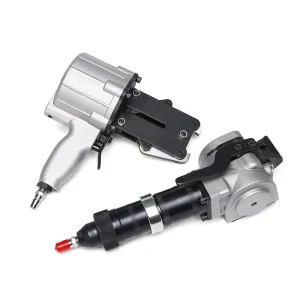
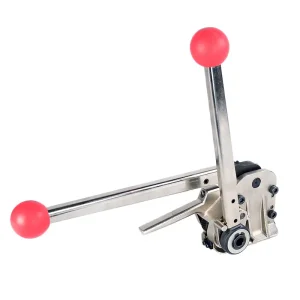
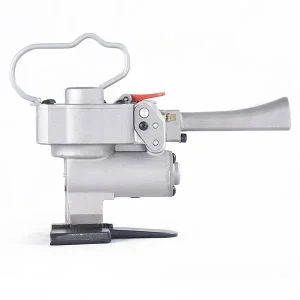
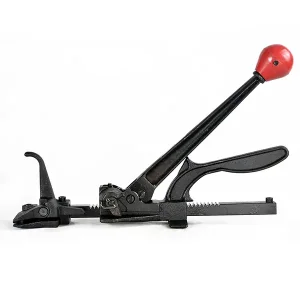
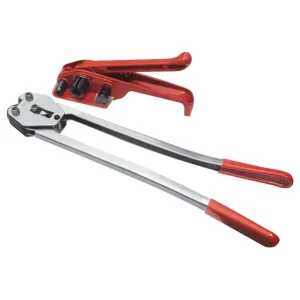
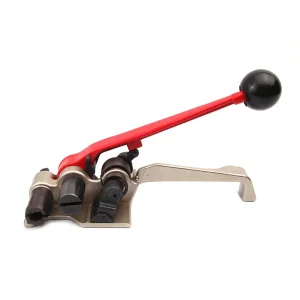
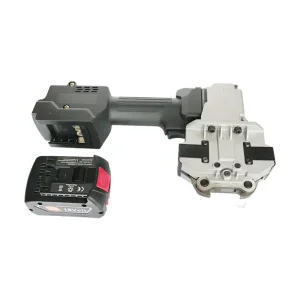
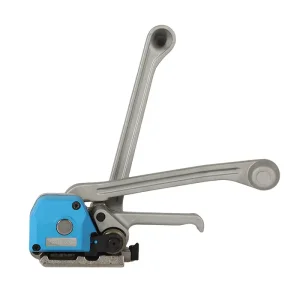
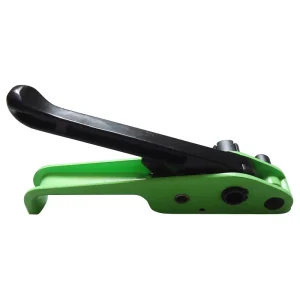
Explore our top engineered pneumatic, battery-operated, and manual handheld packaging machinery designed for optimal tensioning force and joint reliability.
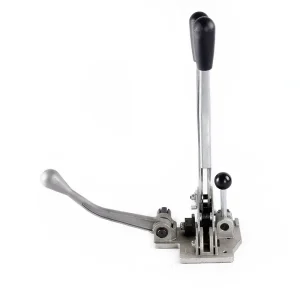
An in-depth look at how smart engineering, high-tension materials, and battery-powered mechanisms are redefining modern industrial cargo containment.
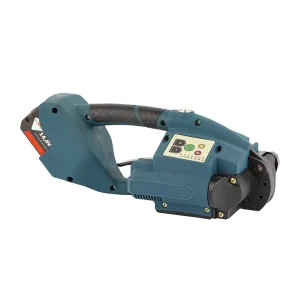
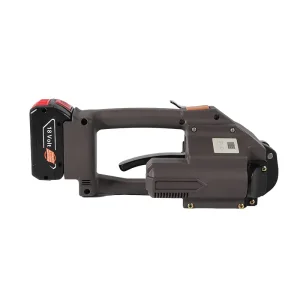
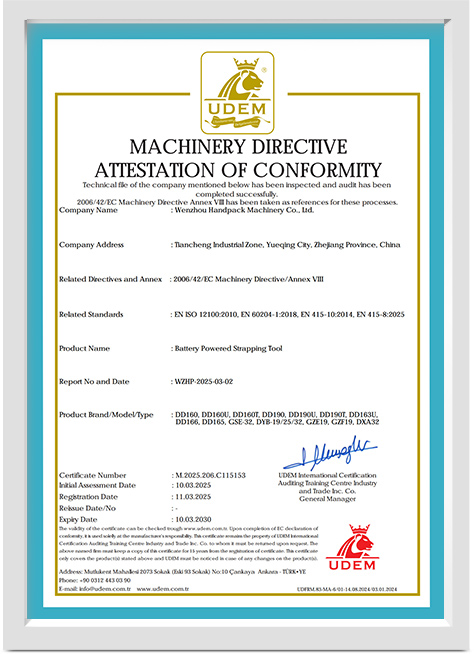
The global logistics landscape is undergoing a massive shift from traditional manual securing methods to intelligent, high-efficiency, and ergonomic tooling. Historically, operators relied heavily on manual strapping sealers requiring extensive physical effort. Today, the rise of lithium-ion battery technology has catalyzed the development of tools like the DD160T/DD190T series. These battery-powered tools integrate friction welding mechanisms, ensuring high-strength joint seals without the need for manual metal buckles. Furthermore, microprocessors are now embedded within pneumatic and electrical tools to monitor tension stability in real-time, matching the speed requirements of automated warehouses.
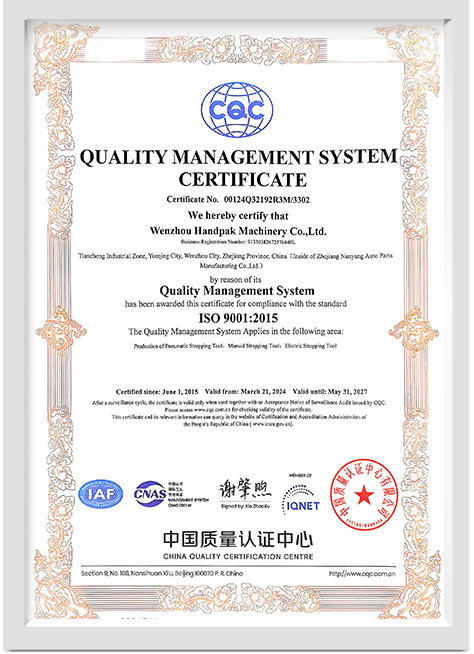
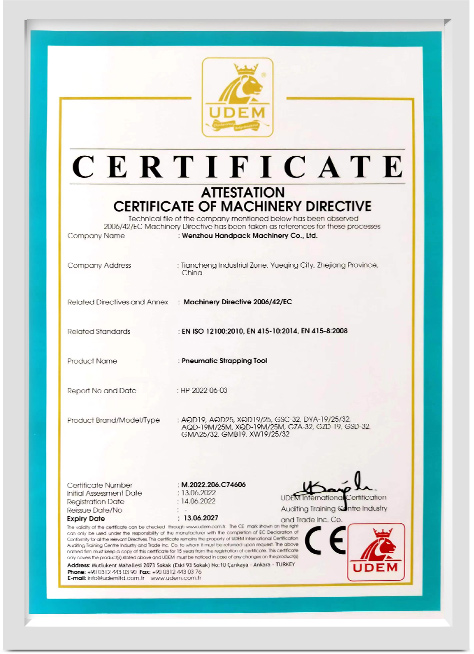
As cross-border industrial trade scales up, multinational procurement entities prioritize tooling durability, compliance standards, and adaptability to multiple strap types (PET, PP, and Steel). A major pain point for procurement managers is tool downtime. Thus, globally localized operations require hand tools that exhibit structural modularity. This ensures fast component swaps, such as tension wheels or cutter blades. High-reliability machinery certified with European CE and ISO9001 certifications guarantees compliance and safety under strict industrial regulatory conditions, directly impacting a corporation's bottom line.
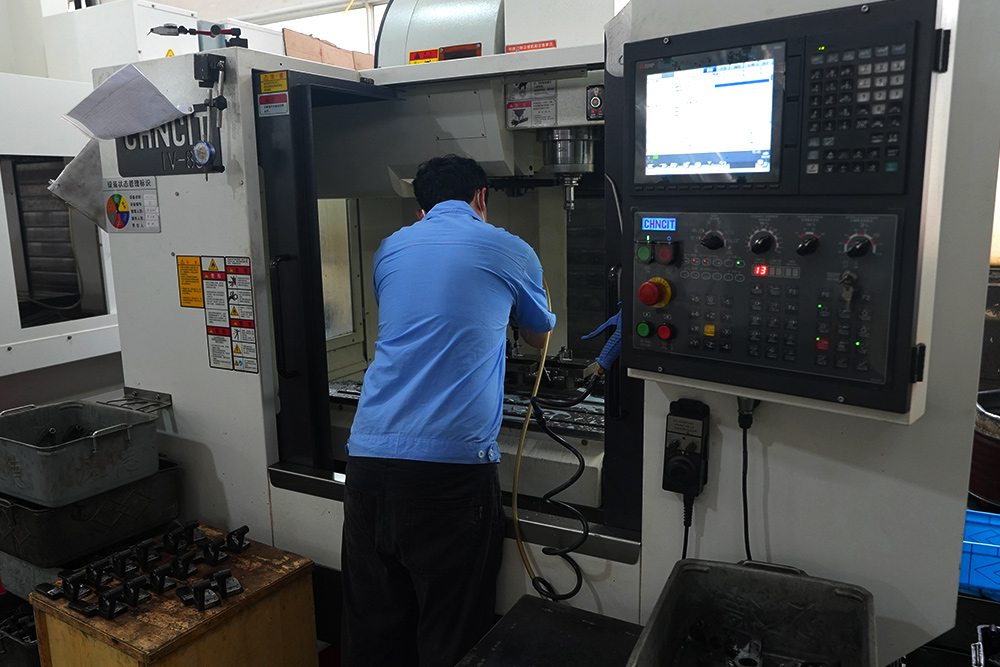
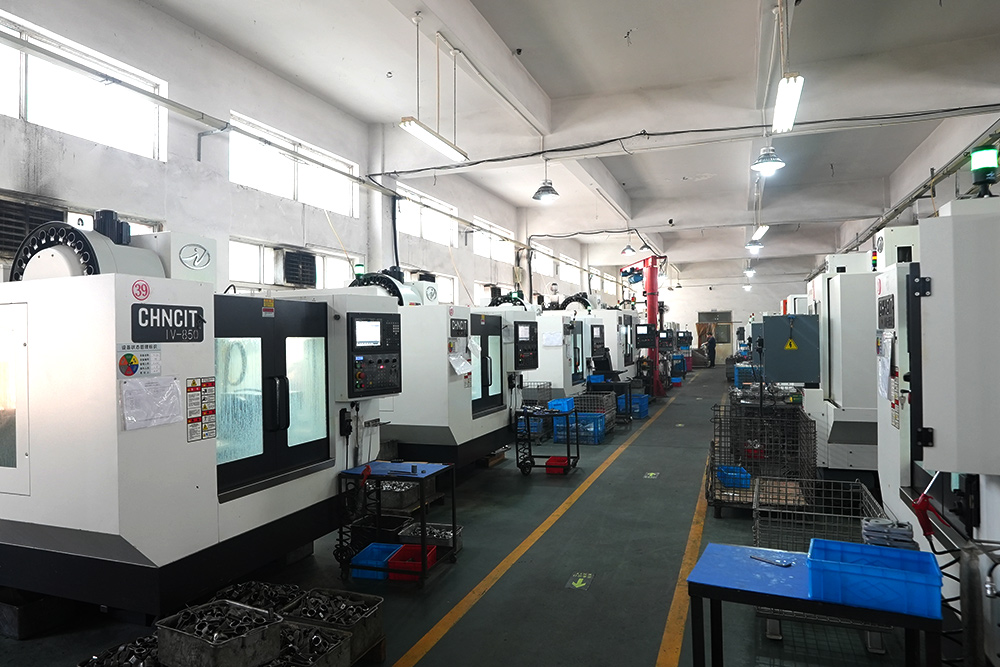
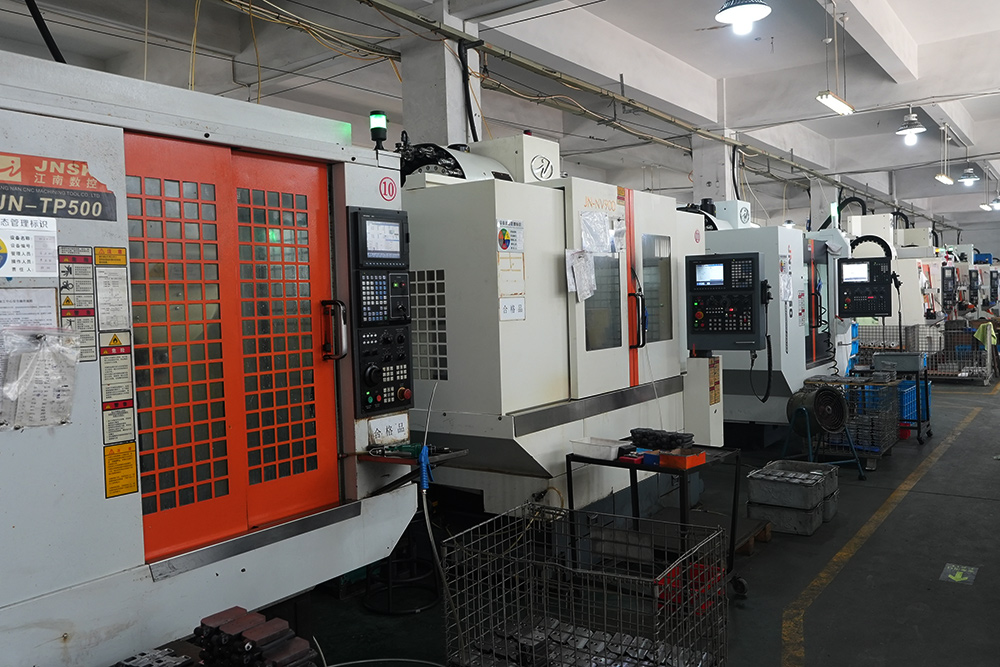
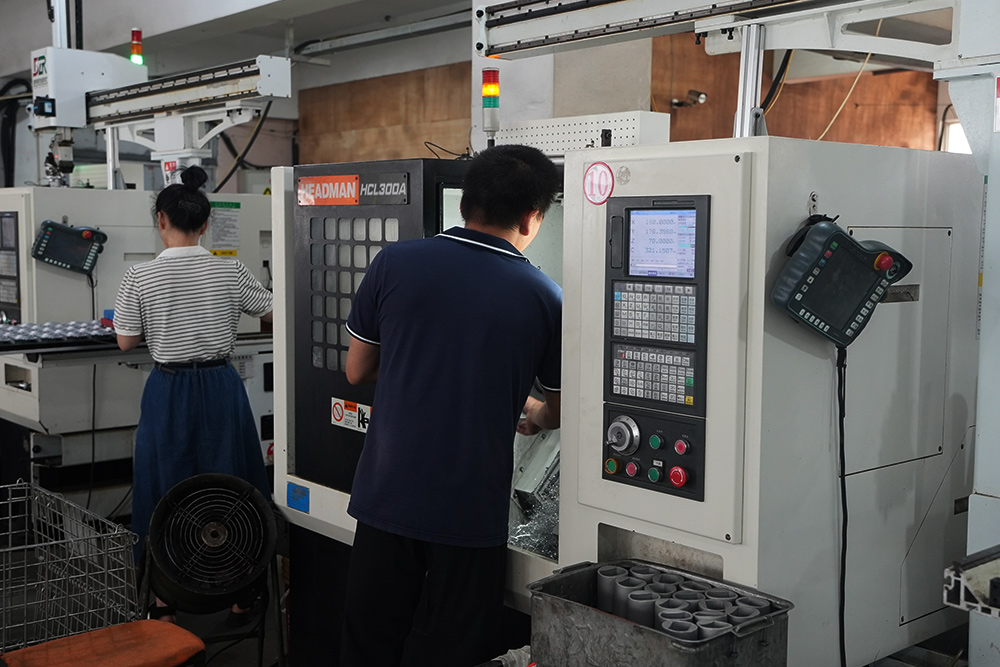
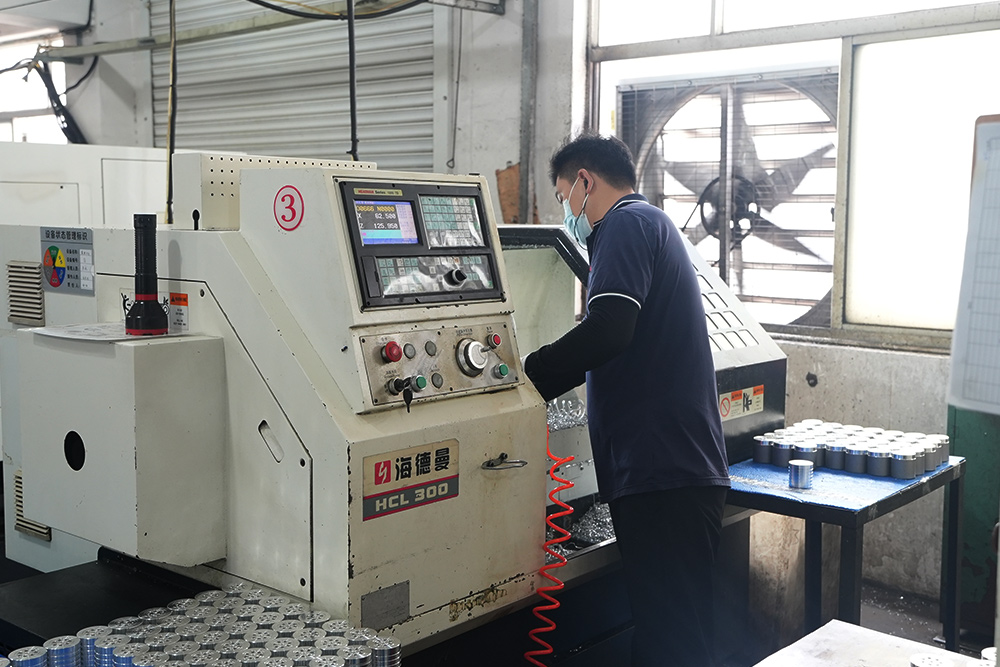
Operating from Wenzhou, Wenzhou Handpack Machinery Co., Ltd. exemplifies the integration of CNC precision machining and digital quality tracking. By utilizing advanced CNC production lines, we reduce mechanical variance in critical stress parts (like tension gears in the SKL-32/19 or pneumatic cylinders in the GSC32). Our manufacturing layout combines optimized raw material supply networks with automated quality testing gates. This setup offers foreign buyers unmatched structural reliability and supply chain agility even during global freight disruptions.
Established on March 14, 2008, and located in Tiancheng Industrial Park, Yueqing City, Wenzhou, Wenzhou Handpack Machinery Co., Ltd. is one of the largest professional handheld packaging machinery manufacturers in China. Spanning an impressive facility of 12,535 square meters, our factory is situated close to the Yueqing Bay and backed by the beautiful Yandang Mountain.
We specialize in the engineering, custom manufacturing, and international marketing of high-durability handheld strapping tools. Our products are compatible with various strap styles, including PET, PP, and high-tensile steel straps. These systems are integral to heavy industrial handling, logistics routing, metal processing, and bulk shipping divisions globally.
Through continuous collaboration with professional technical partners and massive investments in CNC precision tools, we guarantee consistent mechanical tolerances and friction sealing parameters. We operate strictly under the ISO9001 international quality management system to deliver durable, portable, and reliable machinery.
Read More About Certifications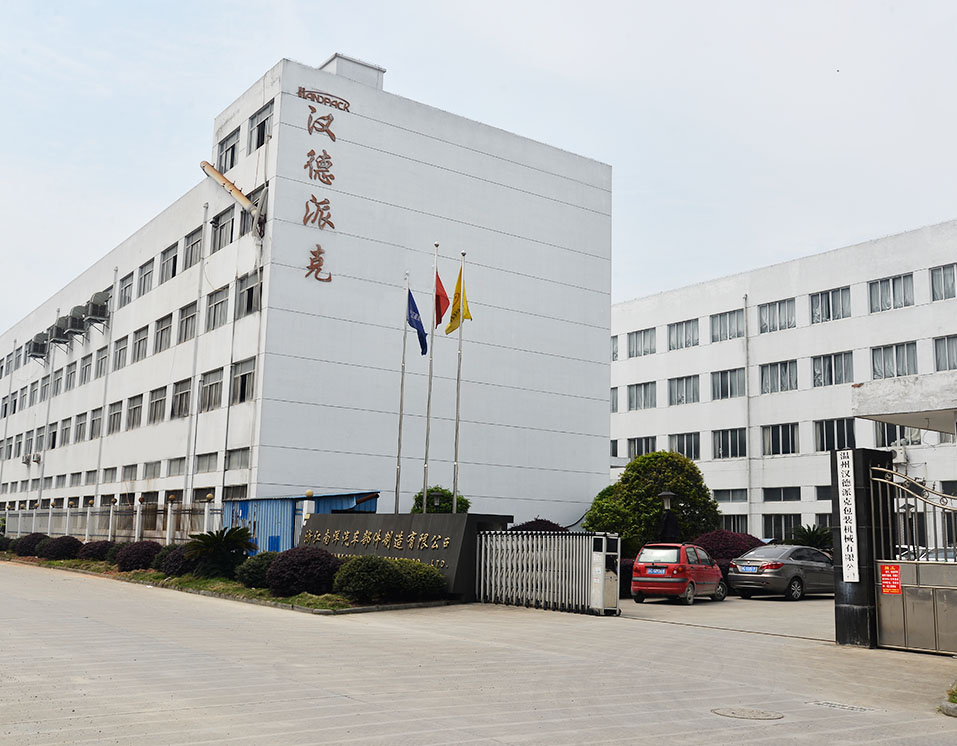
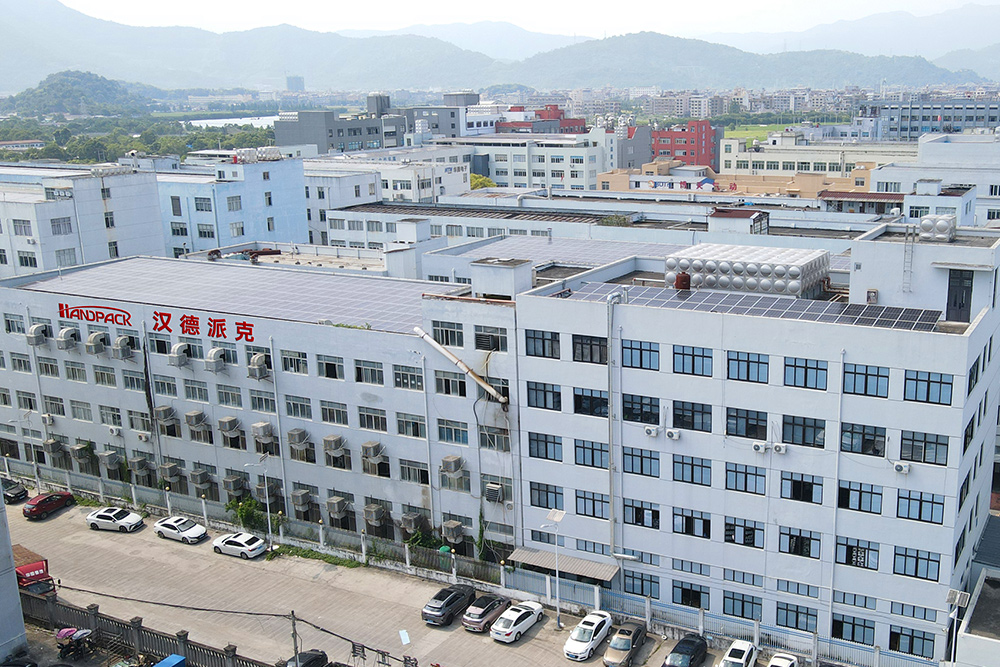
Our computerized numerical control (CNC) systems guarantee robust tolerances for our hand tools.
Driving industrial safety and supply chain efficiency through a shared system of values.
Helping enterprises take off with every bit of strength through high-tensile security.
Honesty forever, trust in the future by delivering on engineering promises.
Pursue value, create value, realize value for both our clients and operators.
Innovation, Integrity, Pragmatism and Efficiency across all production cycles.
We hold the right to import and export, and all models undergo stringent EU CE audits to ensure safe operation in demanding factories.
How our handheld machinery meets the unique load requirements of diverse manufacturing sectors.
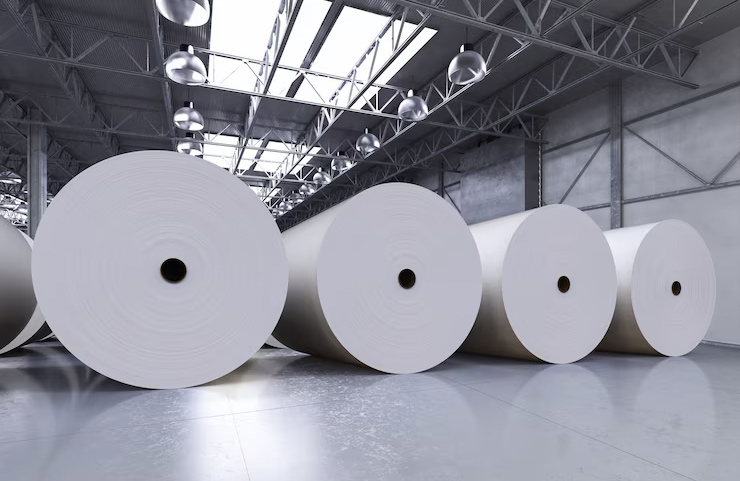
Critical for securing large finished paper rolls and heavy corrugated fiberboard boxes. Prevents telescoping and shifting during shipping.
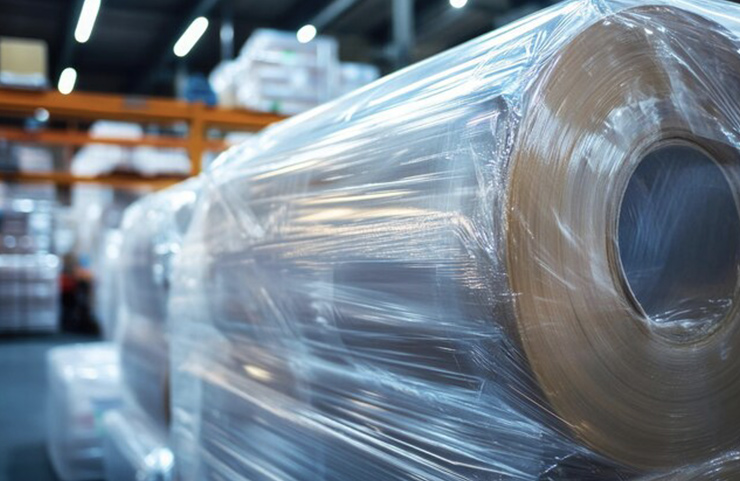
Protects high-value aluminum extrusions and coils. Custom tensioning tools prevent metal deformation while keeping packages locked.
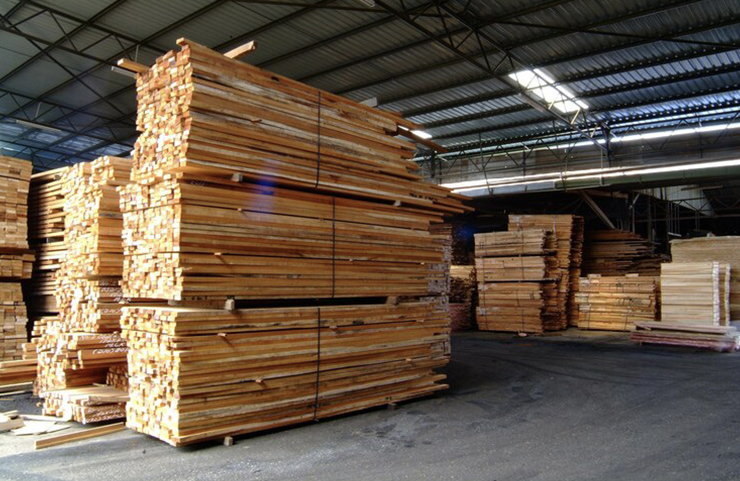
Handles the high expansion forces of green lumber. Delivers high tensioning forces to lock heavy logs and pallets for transport.
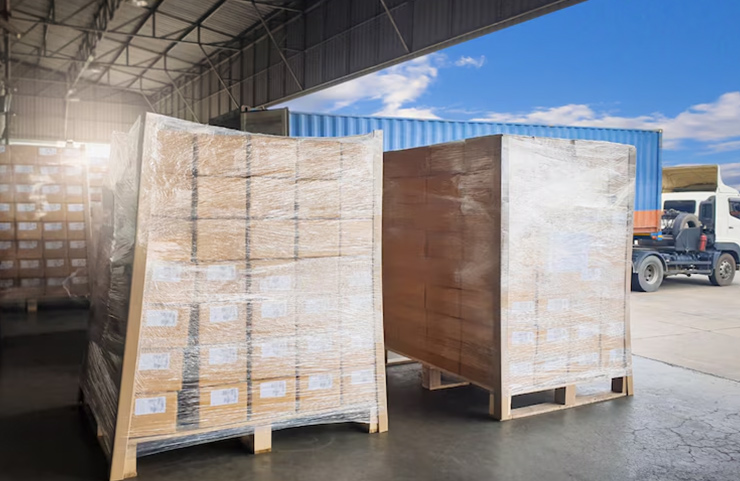
Acts as a reliable secondary reinforcement system over structural crates, preventing lid failure under heavy dynamic loads.
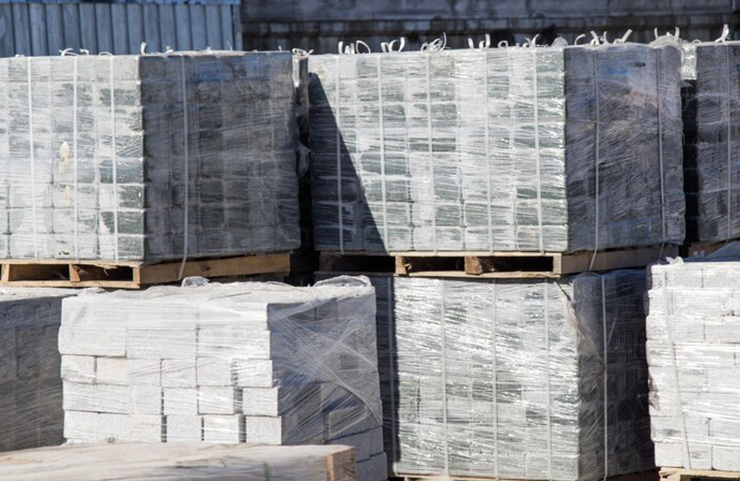
Replaces dangerous wire links with high-strength PET or steel strapping, keeping heavy quartz and granite slabs secure during sea freight.
Four structural pillars designed to lower the Total Cost of Ownership (TCO) for global distribution systems.
We leverage advanced tech and industrial innovations to create a long-term competitive edge for our global B2B clients.
We design solutions based on real-world factory data, ensuring our hand tools withstand demanding environments.
Our design team tailors ergonomics, tool weight, and strap tension limits to reduce operator fatigue and injury risks.
We balance pricing and performance to foster sustainable growth, ensuring high margin returns for wholesale partners.
In modern logistics, industrial cargo failure is often caused by selecting the wrong strapping material or tool. Sourcing managers must understand the mechanical properties of different strapping bands:
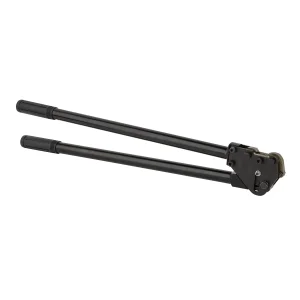
Traditional manual tools use a steel buckle crimped by a sealer. While cost-effective upfront, this method has a lower joint efficiency (typically 50-60% of the strap's break strength). In contrast, battery-powered tools utilize high-speed oscillation to heat and melt the overlapping plastic strap layers (friction welding). This process creates a clean joint with up to 85% efficiency, reducing material waste and eliminating the cost of metal seals.
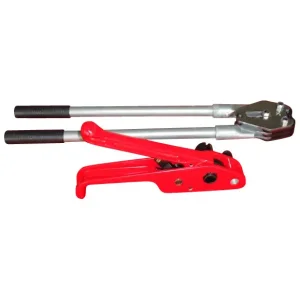
While manual hand tools (e.g., tensioners and sealers) are cost-effective, they are labor-intensive. In contrast, battery-powered strapping machines represent a higher upfront investment but deliver significant long-term savings. For instance, a single operator using a battery-powered tool can pack up to three times faster than one using manual tools, helping to pay back the tool's cost within months.
Clear, direct technical answers regarding operating dynamics, maintenance protocols, and sourcing logistics.
Explore our heavy-duty tensioners, sealers, and buckle-free combination tools designed to secure heavy industrial loads.
 Handpack