In the contemporary globalized supply chain, securing unitized cargo is paramount for safe transit and logistically sound warehousing operations. The market for hand banding tools has moved beyond basic manual tensioners towards highly optimized, materials-engineered, battery-powered, and high-performance pneumatic systems. According to recent industrial packaging statistics, handheld strapping machines are experiencing double-digit growth globally, particularly in areas heavily dependent on construction materials, primary metals, pulp and paper, and high-volume e-commerce transit hubs.
Historically, heavy industrial packaging relied exclusively on heavy steel strapping. While steel strapping remains dominant in high-temperature applications—such as secondary processing in hot-strip steel mills or forging plants—modern plastics chemical engineering has introduced high-tensile Polyethylene Terephthalate (PET) and Polypropylene (PP) strapping as viable, cost-effective, and safer alternatives. This transition has fueled global demand for tools capable of applying extreme tension and forming reliable joint seals without relying on separate metal buckles. Buckle-free (sealless) steel strapping tools (e.g., A333, SG191) and friction-welding plastic strapping tools have revolutionized warehouse throughput rates by minimizing material waste and eliminating the recurring cost of external metal clips.
"The paradigm shift in modern securement logistics is defined by three vectors: weight minimization of strapping tools, maximization of residual strap tension, and transition from traditional manual metal joints to automated sealless punch dies and pneumatic friction-welded joints."
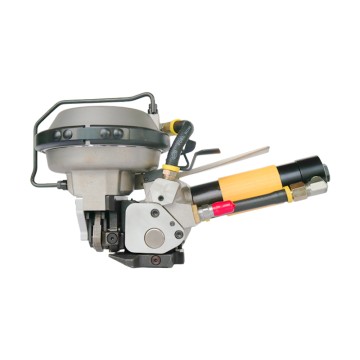
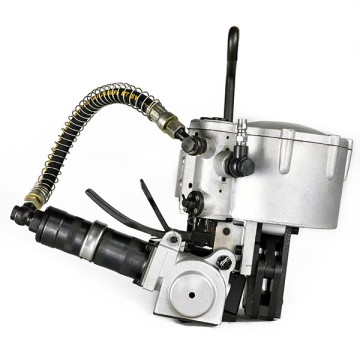
Geographically, manufacturing demands show different patterns of localized application. In Western Europe and North America, strict occupational safety regulations (such as OSHA guidelines and European Union Work Safety Directives) have significantly reduced the use of manual cutting tools and steel strap configurations due to snapback hazard risks during unpackaging. Consequently, demand in these regions has shifted heavily towards high-tension battery-powered tools (e.g., DD160 and DD160T/DD190T) running polyester straps, which possess excellent elastic recovery and high impact attenuation. In rapid-growth industrial centers across the Asia-Pacific region, heavy-duty pneumatic steel banding systems (such as the GZA32 series) continue to form the backbone of metal extrusion, coil handling, and maritime export packaging lines due to their rugged reliability under continuous three-shift operations.
To understand the engineering complexity of industrial hand banding machines, it is necessary to divide these tools into three distinct operational categories: Manual Mechanical, Pneumatic, and Battery-Powered Electric systems. Each uses unique mechanics and joint technologies to achieve high-strength strapping joints.
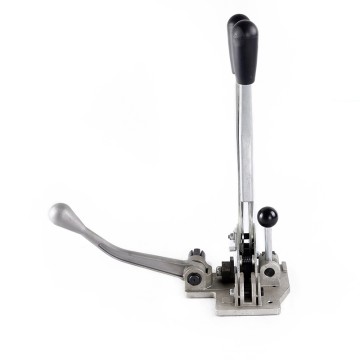
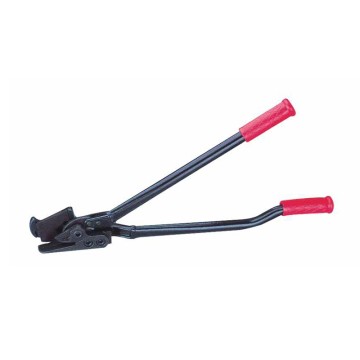
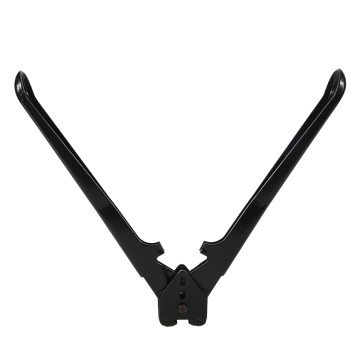
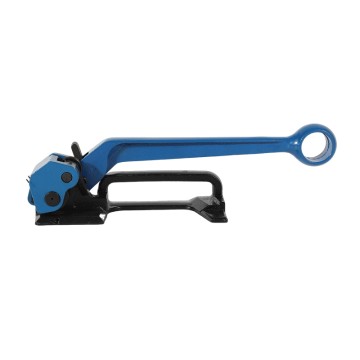
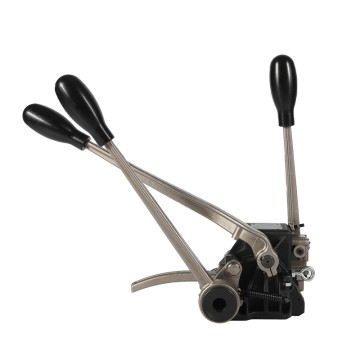
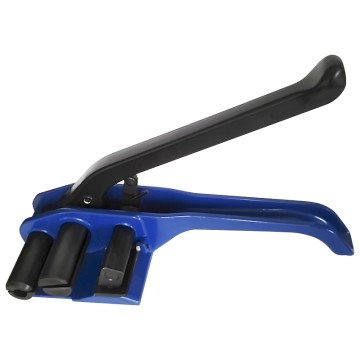
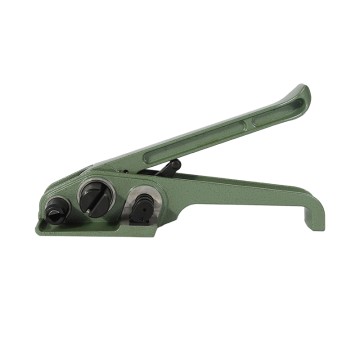
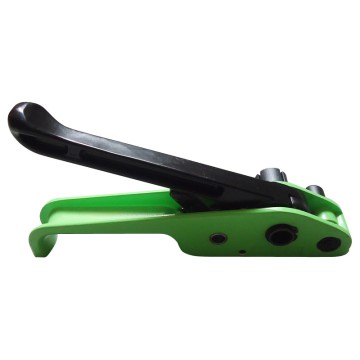
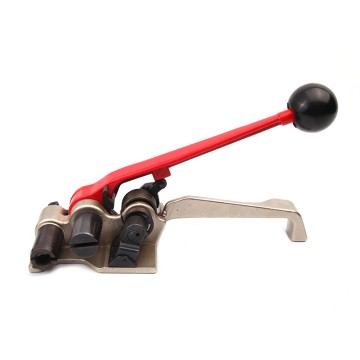
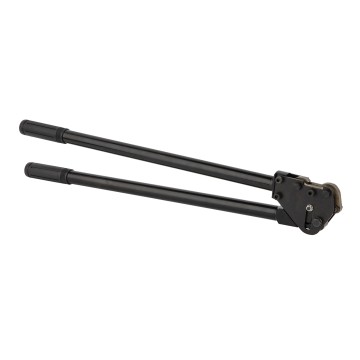
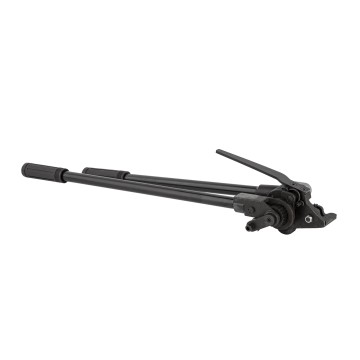
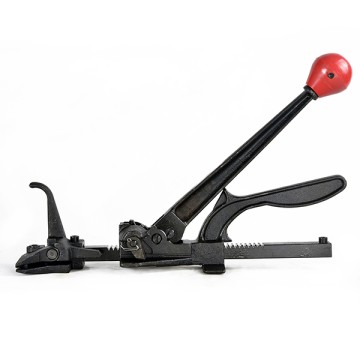
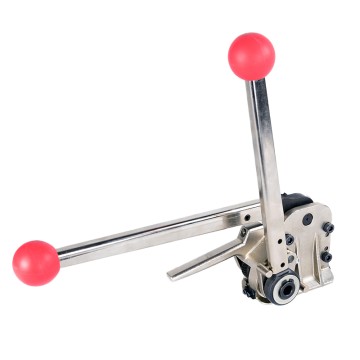
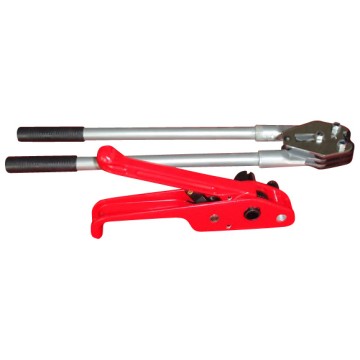
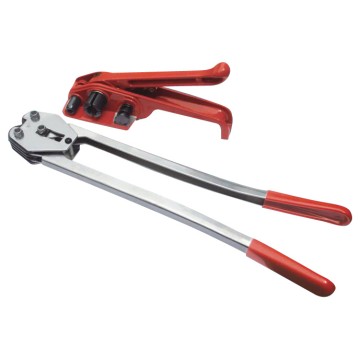
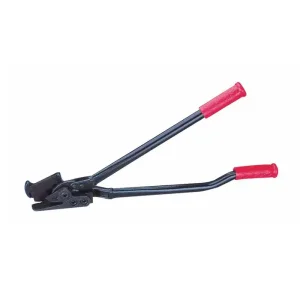
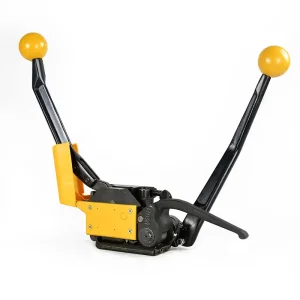
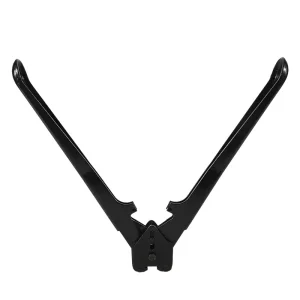
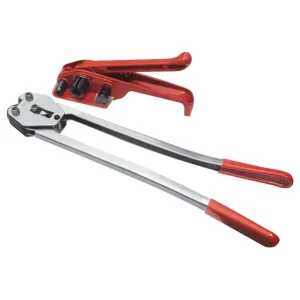
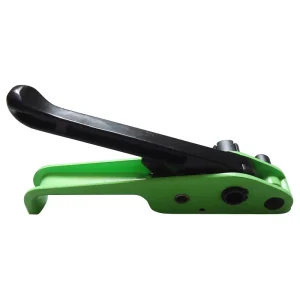
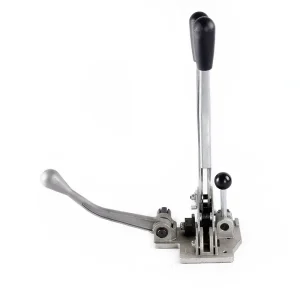
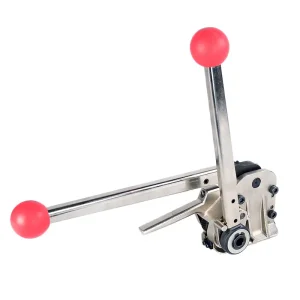
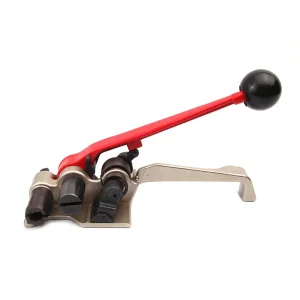
Manual tools represent the origin of strapping securement. Tensioning is achieved through a feed-wheel mechanism driven by a high-torque ratchet lever. The strap is fed through a serrated feed wheel which pulls the upper strap layer over the lower layer locked by an anchor foot. When sealing, manual systems either utilize independent metal clips compressed via a manual double-notch sealer (such as the SGS-19 or SKS-32 series) or form a sealless joint (as seen in the A333 or SG191/SG192 tools).
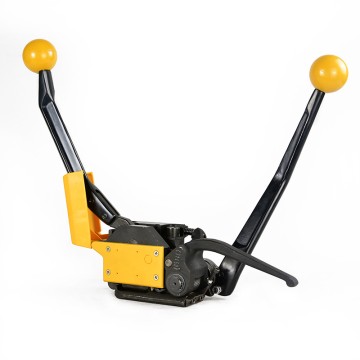
Sealless (buckle-free) technology for steel strapping utilizes a series of interlocking dies. The tool punches a pattern of matching keys directly into the overlapping steel straps under intense leverage pressure. This mechanical punch geometry deforms the steel edge in a reverse-locking pattern. Because no metal seal is required, logistics operations save considerable raw material costs while removing the failure point associated with poor seal crimping.
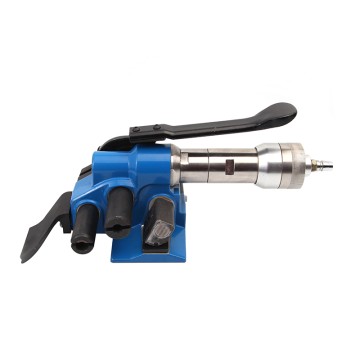
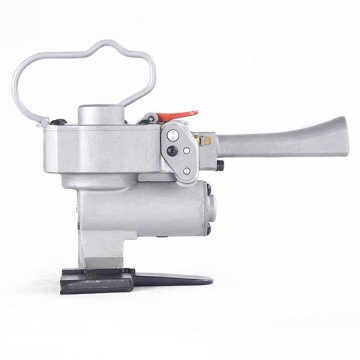
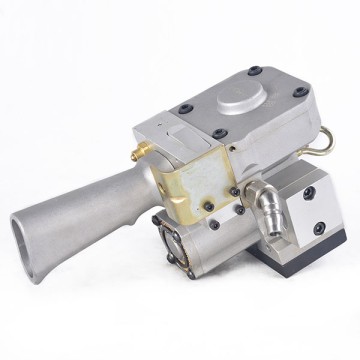
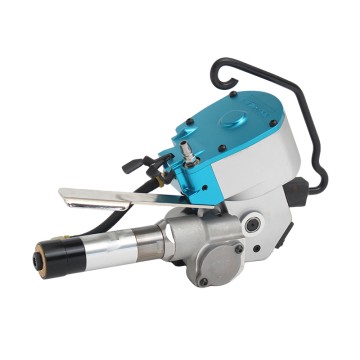
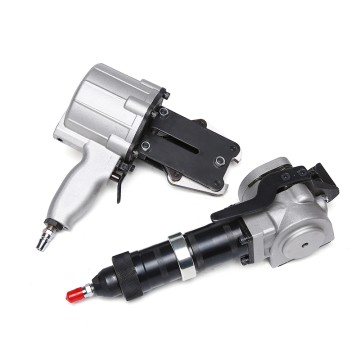
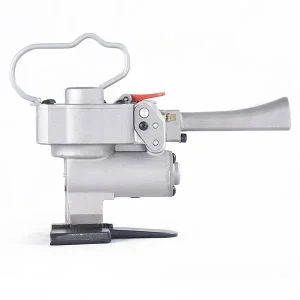
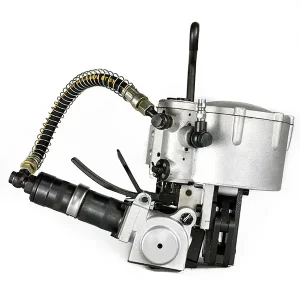
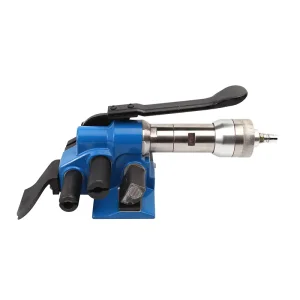
Pneumatic hand banding machines (such as the RJ250 for plastic straps or GZA32 for steel straps) use compressed air to drive both the tensioning motor and the sealing cylinder. A pneumatic rotary vane motor delivers constant torque to tension the strapping belt. For plastic PP/PET strapping, the tool utilizes a pneumatic vibration piston. This piston oscillates a textured welding plate at high frequencies (typically exceeding 300 Hz) against the bottom strap layer under pressure. The resulting friction melts the polymer material at the contact interface in milliseconds. Once the vibration cycle stops, a controlled holding time allows the molten polymer to cool and fuse, forming a joint efficiency rating up to 80-85% of the parent strap's tensile strength.
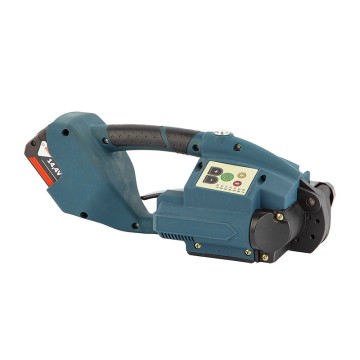
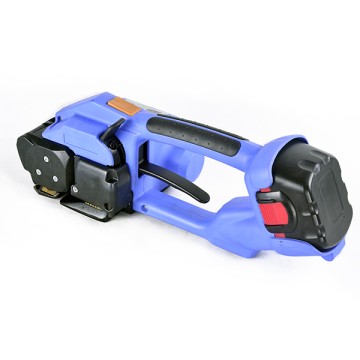
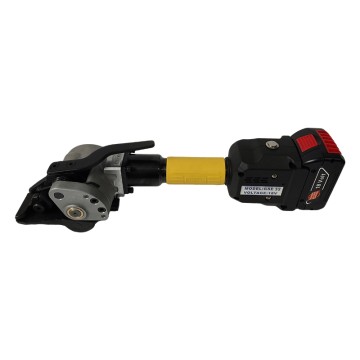
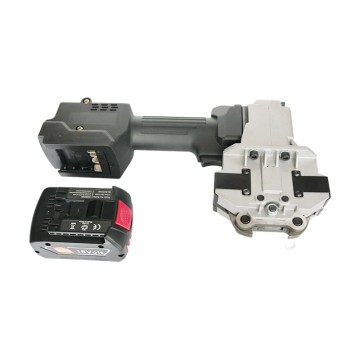
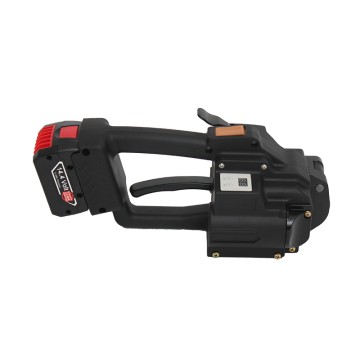
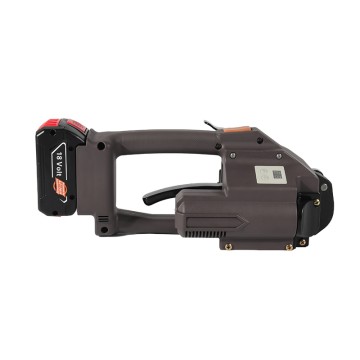
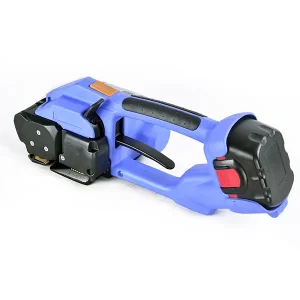
Representing the current state-of-the-art in packaging tools, modern battery-operated hand packaging machines (e.g., DD160T, DD190T, and DD160) are powered by high-capacity lithium-ion cells coupled with Brushless DC (BLDC) motors. Without mechanical brushes, these motors generate high torque-to-weight ratios with minimal thermal losses, extending tool operational life. The integrated Battery Management System (BMS) regulates current draw to ensure uniform weld temperature and tension force, even when the battery is near depletion. An electronic control board allows users to set tension limits and weld-cooling times down to the millisecond. This ensures repeatable, high-strength packaging joints across varying ambient warehouse temperatures.
| Strapping Tool Class | Primary Power Source | Maximum Tension Capacity (N) | Joint Seal Method | Ideal Strap Material |
|---|---|---|---|---|
| Manual Sealless (A333, SG191) | Mechanical Leverage | Up to 5,500 N | Interlocking Steel Punch Die | High-Tensile Steel Strapping |
| Pneumatic High-Tension (GZA32) | Compressed Air (0.5-0.7 MPa) | Up to 8,500 N | Pneumatic Double-Notch Seal | Heavy Steel Strapping |
| Pneumatic Friction (RJ250) | Compressed Air (0.5-0.7 MPa) | Up to 2,800 N | Friction Vibration Weld | PET & PP Plastic Belting |
| Battery Brushless (DD160T/DD190T) | 18V Li-ion Battery / BLDC Motor | Up to 4,200 N | Electronic Friction Weld | PET & PP Plastic Belting |
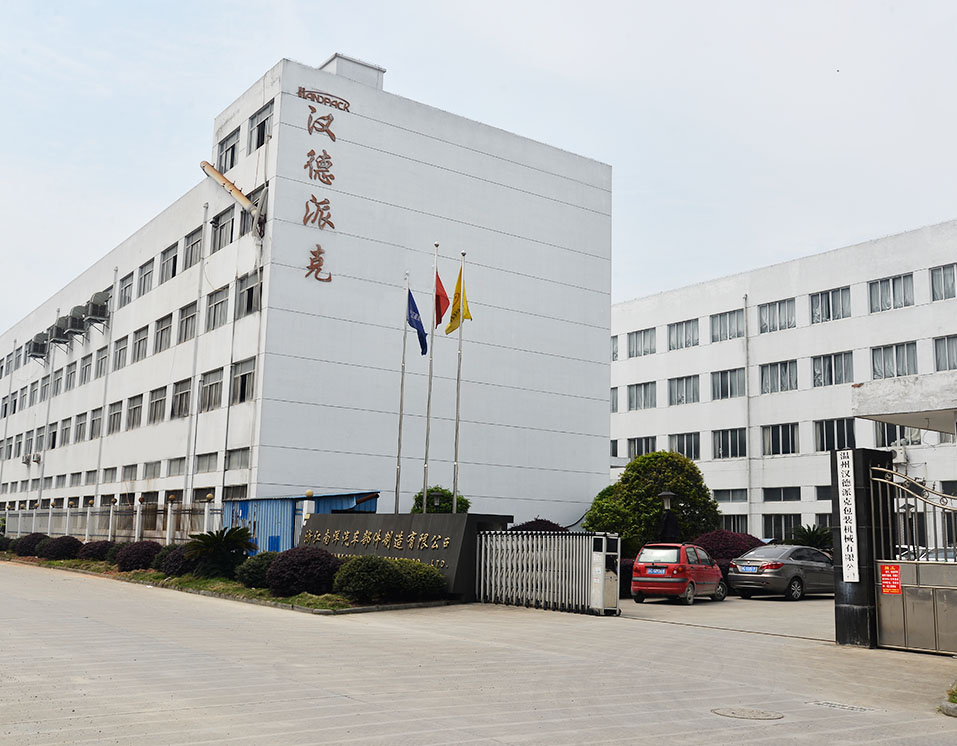
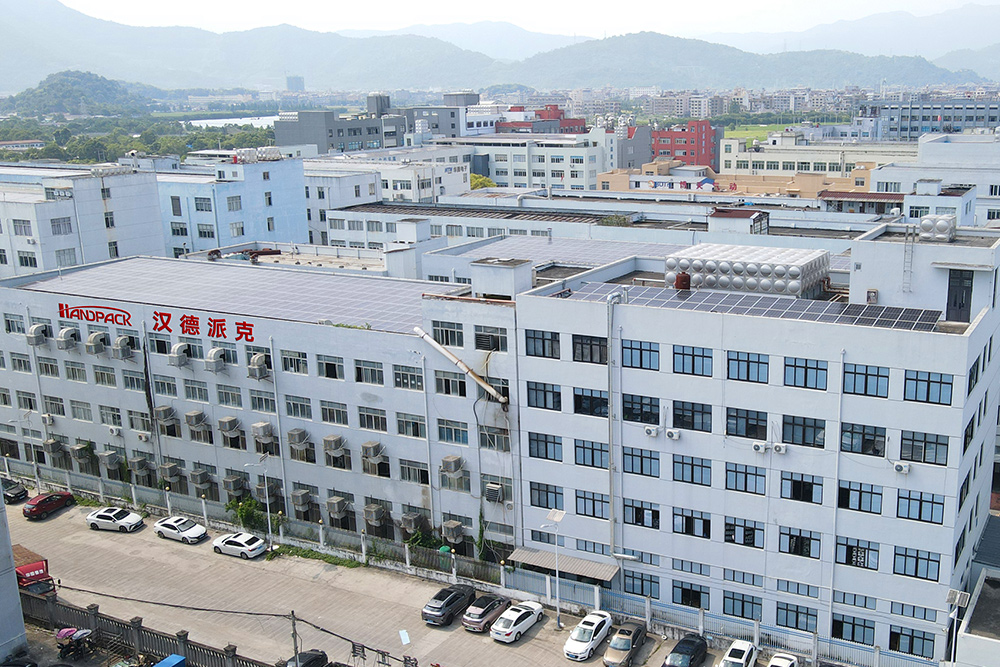
Established on March 14, 2008, Wenzhou Handpack Machinery Co., Ltd. has grown to become one of the largest professional handheld packaging machinery manufacturers in China. Located in the Tiancheng Industrial Park, Yueqing City, Wenzhou, our manufacturing operations span over a state-of-the-art 12,535 square-meter facility. Wenzhou Handpack is built on a foundational engineering heritage that traces back to 1998, representing over 25 years of specialized experience in metalworking, assembly, and power transmission design.
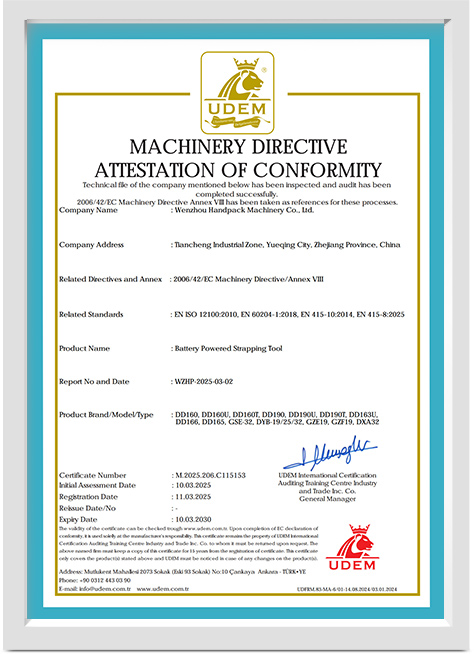
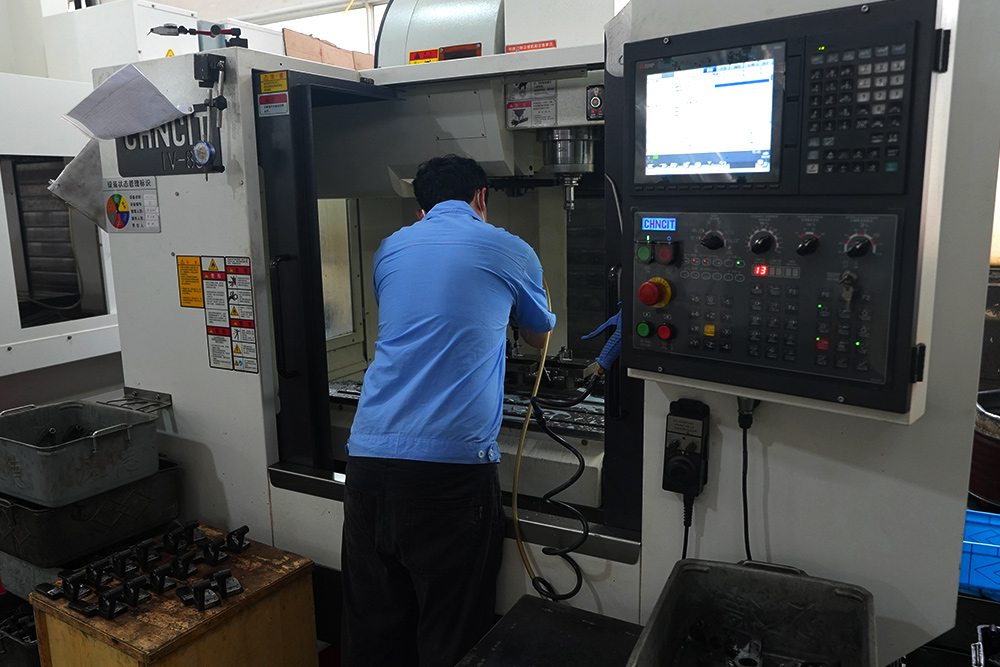
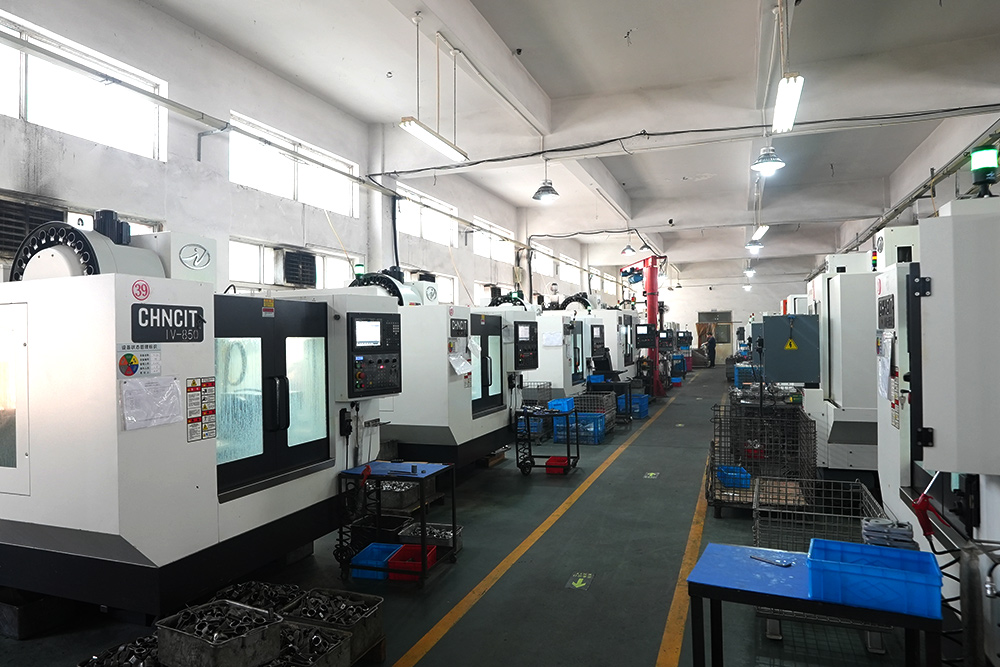
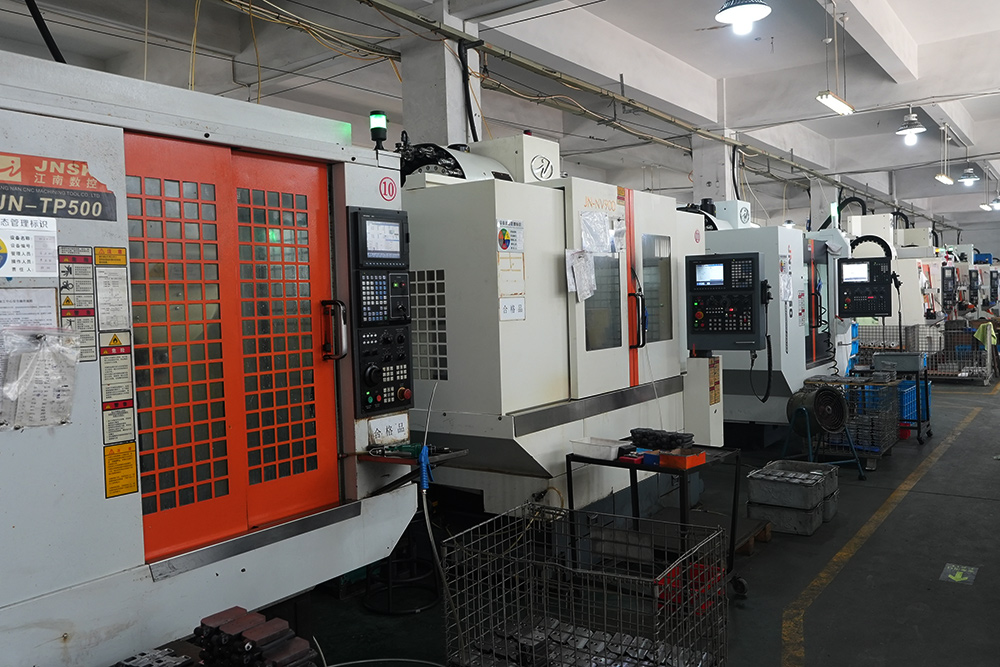
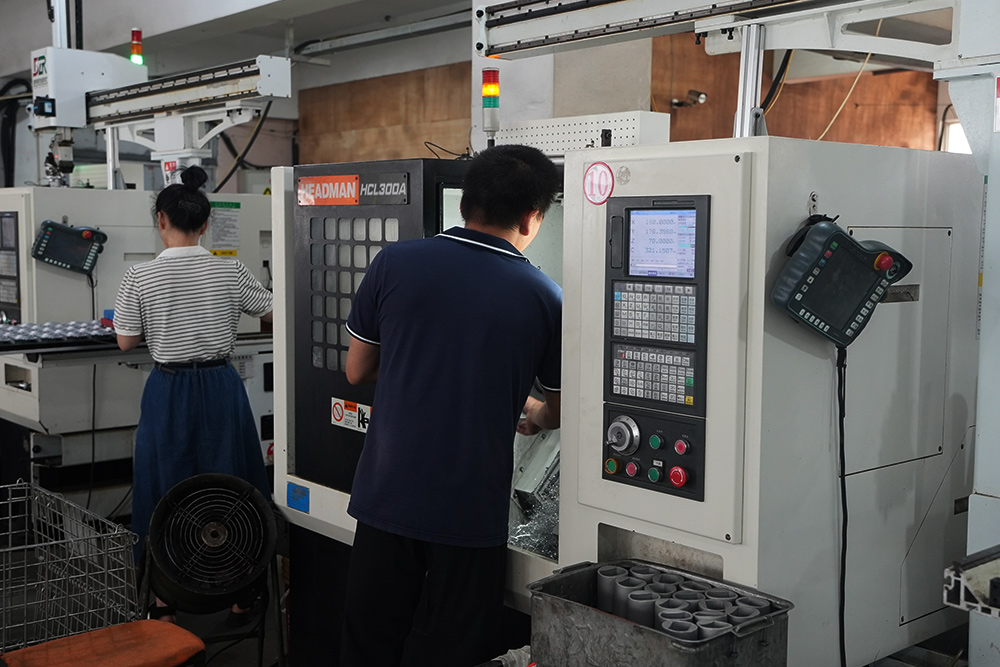
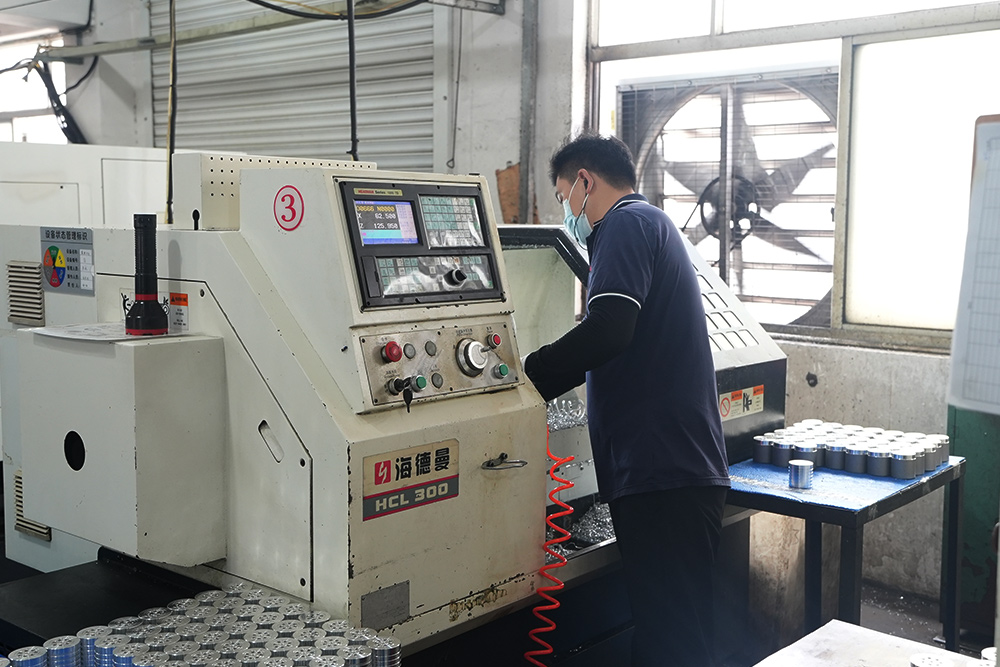
We specialize in the complete R&D, manufacturing, and distribution cycle of handheld strapping machines for PET, PP, and steel strapping belts. To guarantee structural reliability under heavy load conditions, our manufacturing process utilizes advanced Computerized Numerical Control (CNC) equipment and machining centers. We strictly enforce international standards, managing all product runs under the ISO9001 quality system framework. This commitment is validated by our CE product certifications across our entire catalog, ensuring compliance with global import and operating regulations.
Helping enterprises take off with every bit of strength by delivering superior securement tools.
Honesty forever, trust in the future. Building collaborative partnerships that stand the test of time.
Pursue value, create value, realize value. Ensuring every piece of equipment increases plant efficiency.
Innovation, Integrity, Pragmatism and Efficiency. Keeping our engineering standards ahead of industry curves.
Our quality control program operates under the philosophy that a strapping tool's reliability directly impacts supply chain safety. We utilize advanced process metallurgy, coordinate-measuring inspection, and specialized load cell testers to evaluate every production batch. Because parts like feed wheels, tension shafts, cutter blocks, and weld grippers operate under high shear stress, we use vacuum heat treatment processes to ensure uniform hardness and wear resistance.
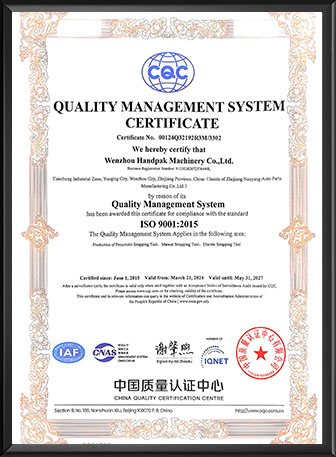
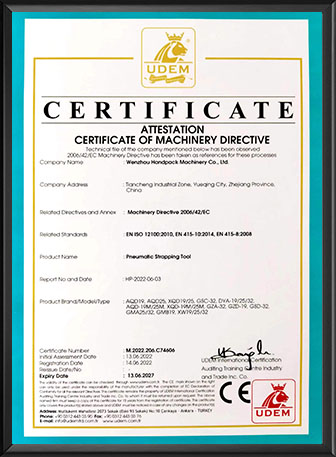
Handpack has the right to import and export, and has passed ISO9001 quality management system certification. All of our products hold CE certifications for Europe. We promise to always take practical actions to continuously improve our quality standards, ensuring our equipment performs reliably in demanding industrial environments.
Our handheld strapping systems are designed to deliver consistent tensioning, welding, and sealing across a wide range of industrial applications.
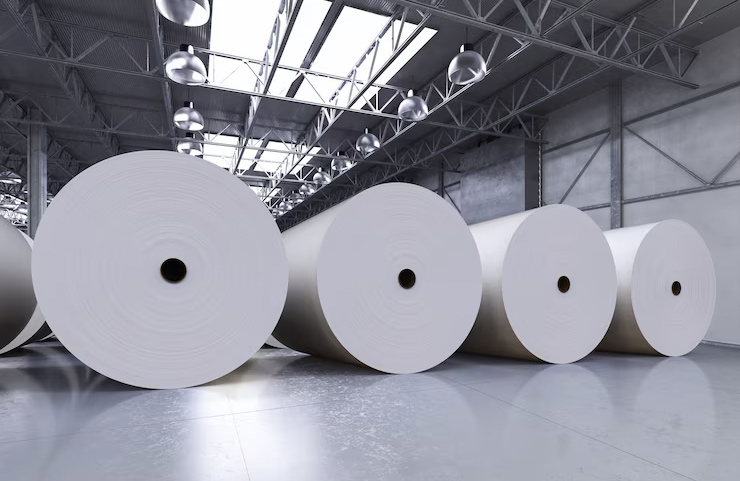
An indispensable tool for securing large paper rolls, flat corrugated board boxes, and compacted waste paper bales during processing and transit.
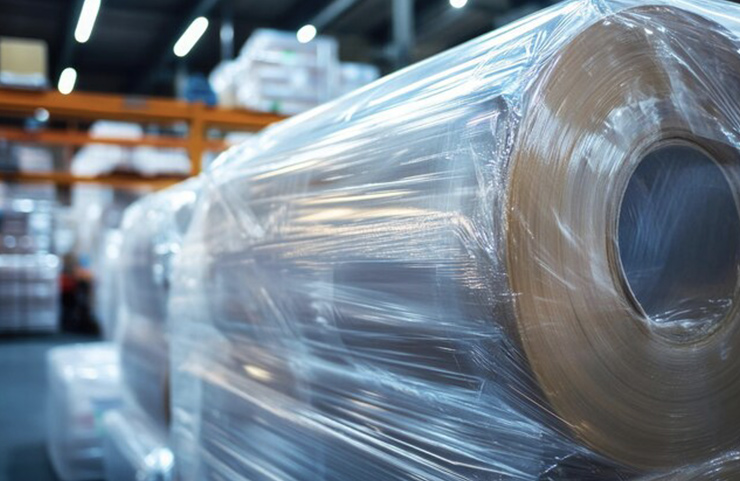
Ensures structural security for bundled aluminum profiles, extruded bars, and heavy coils. Key to preventing surface damage and load shifting during freight transit.
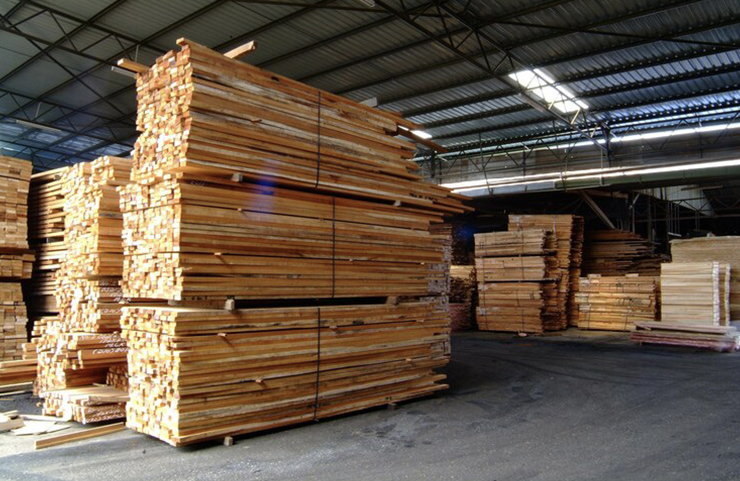
Firmly bundles logs, structural boards, and wooden pallets. Maintains high strap tension over time to accommodate shifts in lumber moisture levels.
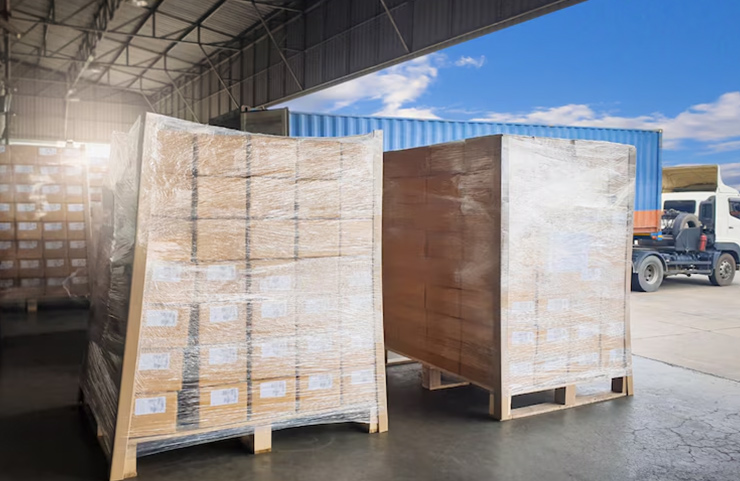
Serves as a reliable alternative to traditional fasteners. Reinforces large export crates to prevent structural separation from heavy vibration during sea transit.
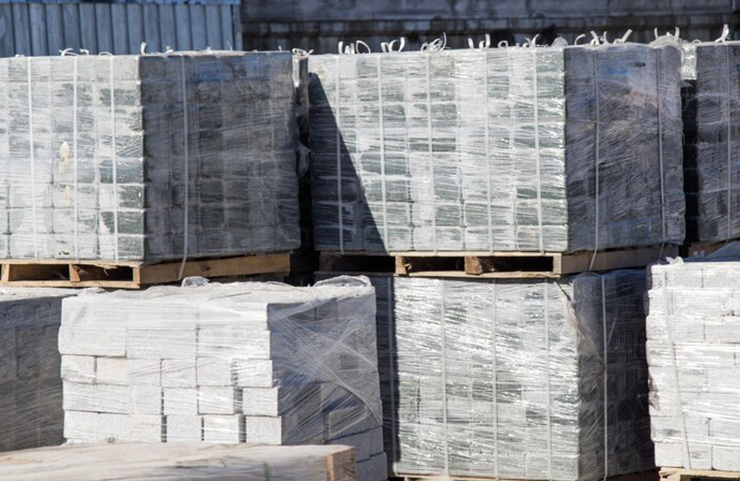
Provides secure bundling for heavy stone slabs, rough quarry cut blocks, and fragile marble countertops. Replaces steel wire with high-strength polyester strapping to prevent surface damage.
We utilize modern manufacturing processes and material science to provide our clients with durable, reliable, and high-performance securement tools.
We focus on solving real-world warehouse challenges, offering rugged, repairable tools that withstand the demands of heavy industrial use.
Our product design decisions are guided by operator feedback, focusing on ergonomics, weight distribution, and intuitive controls.
We support our distributors with a stable supply chain, comprehensive technical documentation, and accessible spare parts inventory.
Our factory operations and product lines are certified to meet international quality and safety benchmarks, ensuring reliable compliance for global import.
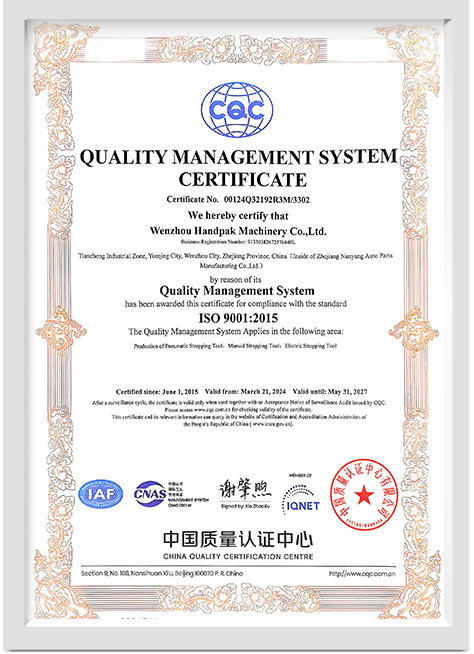
ISO 9001 Compliance
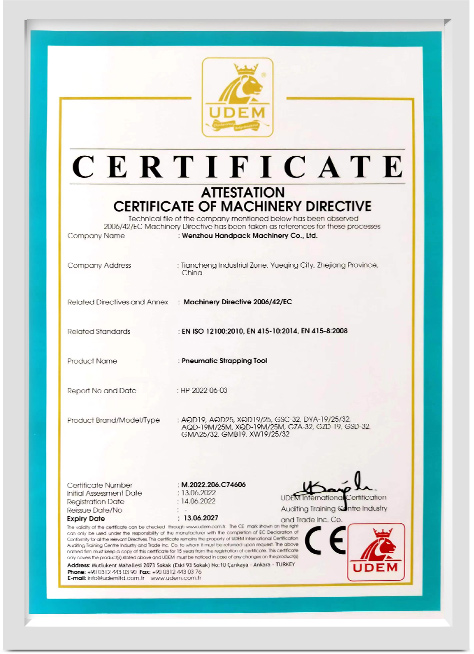
European CE Certification
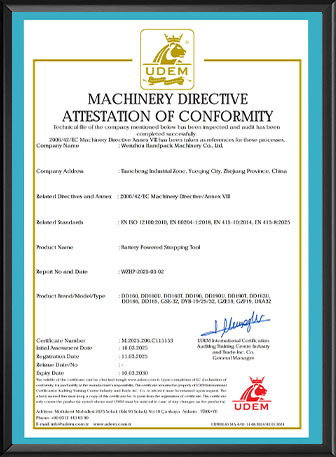
Export & Quality Audit Certification
Modern industrial packaging requires balancing load securement safety with material-use optimization and environmental standards. Under-tensioning leads to product damage, costly returns, and environmental waste. Conversely, over-strapping wastes raw materials and increases carbon footprint across distribution chains. Handpack addresses these challenges by manufacturing precision-calibrated hand banding machines that deliver stable, repeatable tension profiles.
From a life-cycle perspective, transitioning from steel to high-tensile polyester (PET) strapping can significantly reduce carbon emissions. Producing PET strapping generates fewer greenhouse gases per meter than steel, and PET is widely recyclable. However, PET requires precise sealing techniques. Without proper heat-weld sealing temperature or tension, plastic strap joints can slip under static load. Handpack's battery-powered and pneumatic tools address this by utilizing electronic monitoring systems to maintain consistent weld temperatures and clamp pressure, helping logistics operations confidently transition to sustainable materials.
Additionally, Wenzhou Handpack designs its tools for long-term repairability. In contrast to disposable alternatives, our machines are built with modular components. Wear parts like cutter blades, feed wheels, and tension plates can be easily replaced, extending the service life of the tool and reducing electronic and mechanical waste in industrial operations.
Polypropylene (PP) is highly elastic and cost-effective, making it ideal for light to medium-duty bundling. However, PP has a high rate of tension decay (creep) and will stretch under sustained load. Polyethylene Terephthalate (PET) is stiffer and stronger, offering high tension retention and elastic recovery similar to steel strapping. For PP, manual tools (like the SD3IN1) or light battery tools are sufficient. For PET, battery-powered friction weld tools (like the DD160T/DD190T) or pneumatic systems (like the RJ250) are recommended to apply the high tension and temperature required to secure the strap.
A sealless joint (produced by tools like the A333 or SG191) punches interlocking keys directly into the steel strap, eliminating the cost, shipping weight, and inventory management of external metal buckles. It achieves approximately 80% joint efficiency. Metal buckle joints, compressed by a manual sealer, are useful on rounded or irregular surfaces where a flat sealless tool base cannot sit flush against the load.
Strap slippage is typically caused by debris accumulation in the feed wheel or welding teeth. Over time, plastic particles can clog the serrations, reducing grip. Weekly cleaning of the tooth surfaces with a steel brush and compressed air is recommended. Operators should also regularly inspect the cutter and welding plate for wear, replacing them when tensioning or sealing efficiency decreases.
Pneumatic tools like the GZA32 or RJ250 require a clean, dry, and lubricated air supply at a stable pressure of 0.5 to 0.7 MPa (72.5 to 101.5 PSI). Running these tools with wet or unlubricated air can accelerate wear on the internal rotary vanes, reduce tensioning torque, and shorten the lifespan of the pneumatic cylinder.
 Handpack